

borrelho-pequeno-de-coleira vs abibe
Thinornis dubius versus Vanellus vanellus
Jogue um quiz com borrelho-pequeno-de-coleira e abibe
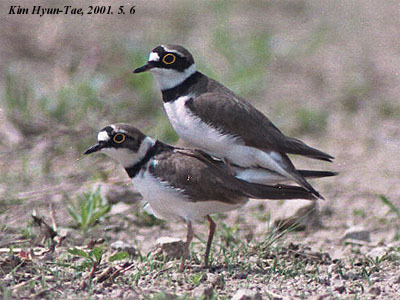 borrelho-pequeno-de-coleira
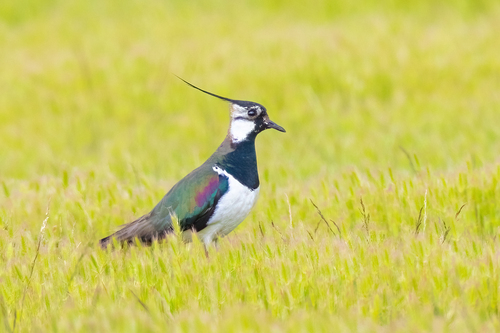 abibe
Em resumo
A marca de campo mais confiável para separar o borrelho-pequeno-de-coleira do abibe é a estrutura e o tamanho geral: o abibe é muito maior, com uma crista longa e distinta, asas arredondadas e um dorso com brilho verde, enquanto o borrelho-pequeno-de-coleira é um plover compacto e pequeno, com um anel ocular amarelo nítido e sem crista. Em voo ou em repouso, o abibe exibe um contraste ousado em preto e branco e um dorso verde brilhante, enquanto o borrelho-pequeno-de-coleira é marrom simples por cima, com uma única faixa negra no pescoço e partes inferiores brancas. A confusão relacionada à idade é improvável, pois mesmo os juvenis de ambas as espécies diferem fortemente em tamanho e forma. Se você ver um plover pequeno, de bico curto, com um anel ocular amarelo e sem crista, é o borrelho-pequeno-de-coleira; um wader grande, com crista, em preto e branco e com dorso verde é o abibe.
Dicas de identificação
- Tamanho e estrutura: O abibe é muito maior e mais robusto do que o borrelho-pequeno-de-coleira. Se você ver um pássaro do tamanho de um pombo ou maior, é o abibe; um wader delicado do tamanho de um pardal é o borrelho-pequeno-de-coleira. Funciona para todas as idades e estações.
- Crista: Apenas o abibe tem uma crista longa e esvoaçante (mais longa nos machos, mais curta nas fêmeas/juvenis). O borrelho-pequeno-de-coleira nunca mostra uma crista. Isso é visível a todas as distâncias e idades.
- Padrão da cabeça: O borrelho-pequeno-de-coleira tem uma máscara negra nítida e um anel ocular amarelo claro, com uma testa branca e uma única faixa negra no pescoço. O abibe tem um rosto branco com marcas pretas, uma coroa preta e uma crista longa, mas sem anel ocular amarelo. Isso é diagnóstico a curta distância.
- Cor do dorso: O dorso do abibe é verde brilhante e iridescente, especialmente em boa luz. O borrelho-pequeno-de-coleira é marrom simples por cima, nunca esverdeado ou brilhante.
- Partes inferiores: Ambos são brancos por baixo, mas o abibe tem um peito e uma garganta pretos (especialmente os machos), enquanto o borrelho-pequeno-de-coleira tem uma única faixa negra afiada no pescoço e partes inferiores brancas.
- Cor das pernas: O borrelho-pequeno-de-coleira tem pernas de cor carne; as pernas do abibe não são descritas nas notas, mas geralmente são mais escuras e mais longas em proporção ao tamanho do corpo.
- Bico: O borrelho-pequeno-de-coleira tem um bico curto, fino e escuro; o bico do abibe é mais longo e robusto, mas isso é menos óbvio do que outras marcas.
- Forma de voo: O abibe mostra asas largas e arredondadas e um voo lento e flácido com batidas de asas profundas. O borrelho-pequeno-de-coleira tem um voo rápido e direto com batidas de asas rápidas e asas pontudas.
- Padrão das asas em voo: O abibe é ousadamente preto e branco por cima e por baixo em voo, com um contraste marcante. O borrelho-pequeno-de-coleira é marrom simples por cima e branco por baixo, sem um padrão de asas ousado.
- Vocalização: O abibe é barulhento, especialmente na primavera, com um chamado alto de 'pee-wit' e voos de exibição. O borrelho-pequeno-de-coleira é quieto e discreto.
- Habitat: Se o pássaro estiver em um grande campo aberto e gramado ou em um prado úmido, especialmente em um bando, é provável que seja o abibe. Se estiver em cascalho nu, areia ou lama perto da água, e sozinho ou em um pequeno grupo, suspeite do borrelho-pequeno-de-coleira.
- Comportamento: O abibe frequentemente se alimenta caminhando lentamente e pegando, às vezes em grandes grupos. O borrelho-pequeno-de-coleira corre em curtas explosões e para para pegar, geralmente sozinho ou em pares.
- Sexo e idade: Os machos do abibe têm cristas mais longas e um preto mais definido na cabeça e no peito, mas todas as idades e sexos são muito maiores e mostram o mesmo padrão básico. O borrelho-pequeno-de-coleira é semelhante em todas as plumagens, com o anel ocular amarelo sempre presente em adultos.
- Confusão juvenil: Nenhum padrão distintivo de asas juvenis é descrito para ambas as espécies, mas mesmo os jovens abibes são muito maiores, com crista, e em preto e branco, enquanto os jovens borrelhos-pequenos-de-coleira são pequenos, simples e não têm crista.
- Armadilhas: À longa distância, o contraste em preto e branco e o tamanho do abibe ainda são óbvios; o borrelho-pequeno-de-coleira pode parecer muito simples, mas nunca mostra uma crista ou brilho verde. Se você ver um anel ocular amarelo, nunca é o abibe.
Tamanho
O abibe é dramaticamente maior: 28–33 cm de comprimento com uma envergadura de 67–87 cm e pesando 128–330 g [wikipedia]. O borrelho-pequeno-de-coleira é muito menor e mais delicado, sem medições diretas nas notas, mas é um típico pequeno plover e muito mais leve e curto do que o abibe. O abibe também é mais robusto, com um corpo mais longo, asas mais largas e uma crista proeminente, enquanto o borrelho-pequeno-de-coleira é compacto, de pernas curtas e não tem crista.
Plumagem
- Pássaros Juvenis/Imaturos: Não há menção de padrões distintivos de asas juvenis para ambas as espécies nas fontes, mas ambas são separáveis em todas as idades por tamanho, estrutura e padrão da cabeça.
- Adultos: O borrelho-pequeno-de-coleira é marrom por cima, branco por baixo, com uma única faixa negra nítida no pescoço, uma máscara negra e um anel ocular amarelo claro. Suas pernas são de cor carne. O abibe é strikingly black and white, com um dorso verde brilhante, uma longa crista preta e um rosto branco com marcas pretas. Os machos têm uma crista mais longa e um preto mais definido na cabeça e no peito; as fêmeas e os jovens têm cristas mais curtas e marcas na cabeça mais apagadas, mas ainda mostram o mesmo padrão geral. As asas do abibe são arredondadas e largas, e em voo, ele mostra um contraste ousado em preto e branco, ao contrário da aparência simples em marrom e branco do plover.
Comportamento
O abibe é frequentemente visto em bandos, especialmente fora da estação de reprodução, e é conspícuo em voo de exibição com batidas de asas lentas e profundas e acrobacias. Ele se alimenta caminhando e pegando no solo aberto. O borrelho-pequeno-de-coleira é mais solitário ou em pequenos grupos, corre em curtas explosões e se alimenta pegando no chão ou na lama. O voo do abibe é lento e flácido, com asas largas e arredondadas, enquanto o borrelho-pequeno-de-coleira tem um voo rápido e direto com batidas de asas rápidas, típico de pequenos plovers.
Habitat
O borrelho-pequeno-de-coleira prefere solo aberto, nu ou escassamente vegetado perto de água doce (cavas de cascalho, margens de rios, costas de lagos), muitas vezes com pouca cobertura. O abibe utiliza uma gama mais ampla de habitats abertos, incluindo pastagens úmidas, terras agrícolas e pântanos, e está menos ligado às bordas da água. O abibe é mais provável de ser encontrado em grandes campos abertos ou prados úmidos, às vezes longe da água, enquanto o borrelho-pequeno-de-coleira geralmente está próximo da água e em solo muito mais nu.
Voz
O abibe é altamente vocal, especialmente na estação de reprodução, com um chamado alto e estridente de 'pee-wit' e uma variedade de guinchos e sons de miados. Seu voo de exibição é acompanhado por chamadas constantes. O borrelho-pequeno-de-coleira é muito mais silencioso; nenhuma vocalização é descrita nas notas, mas ele não tem os chamados altos e distintos do abibe. Se você ouvir um 'pee-wit' ou semelhante, é o abibe.