

Chorlitejo Chico vs Avefría Europea
Thinornis dubius frente a Vanellus vanellus
Juega un quiz con Chorlitejo Chico y Avefría Europea
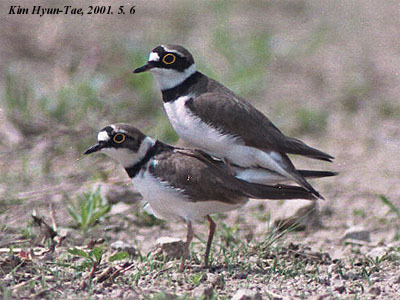 Chorlitejo Chico
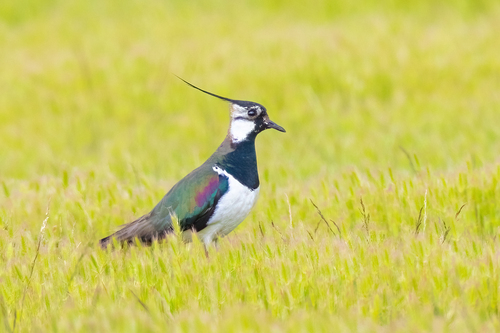 Avefría Europea
En breve
La marca de campo más confiable para separar el Chorlitejo Chico de la Avefría Europea es la estructura y tamaño general: la Avefría es mucho más grande, con una distintiva cresta larga, alas redondeadas y un dorso con brillo verde, mientras que el Chorlitejo Chico es un chorlitejo compacto y pequeño con un anillo ocular amarillo limpio y sin cresta. En vuelo o en reposo, la Avefría muestra un fuerte contraste en blanco y negro y un dorso verde brillante, mientras que el Chorlitejo Chico es de un marrón simple por encima con una sola banda negra en el cuello y partes inferiores blancas. La confusión relacionada con la edad es poco probable, ya que incluso los juveniles de ambas especies difieren fuertemente en tamaño y forma. Si ves un chorlitejo pequeño y de pico corto con un anillo ocular amarillo y sin cresta, es el Chorlitejo Chico; un zancudo grande, con cresta, en blanco y negro y con un dorso verde es la Avefría Europea.
Consejos de identificación
- Tamaño y estructura: La Avefría es mucho más grande y robusta que el Chorlitejo Chico. Si ves un ave del tamaño de una paloma o más grande, es la Avefría; un zancudo delicado del tamaño de un gorrión es el Chorlitejo Chico. Funciona para todas las edades y estaciones.
- Cresta: Solo la Avefría tiene una cresta larga y delgada (más larga en los machos, más corta en las hembras/juveniles). El Chorlitejo Chico nunca muestra una cresta. Esto es visible a todas las distancias y edades.
- Patrón de la cabeza: El Chorlitejo Chico tiene una máscara negra limpia y un anillo ocular amarillo claro, con una frente blanca y una sola banda negra en el cuello. La Avefría tiene una cara blanca con marcas negras, una corona negra y una larga cresta, pero sin anillo ocular amarillo. Esto es diagnóstico a corta distancia.
- Color del dorso: El dorso de la Avefría es de un brillo verde e iridiscente, especialmente con buena luz. El Chorlitejo Chico es de un marrón simple por encima, nunca verdoso o brillante.
- Partes inferiores: Ambos son blancos por debajo, pero la Avefría tiene un pecho y garganta negros (especialmente los machos), mientras que el Chorlitejo Chico tiene una sola banda negra nítida en el cuello y partes inferiores blancas.
- Color de las patas: El Chorlitejo Chico tiene patas de color carne; las patas de la Avefría no están descritas en las notas, pero son generalmente más oscuras y más largas en proporción al tamaño del cuerpo.
- Pico: El Chorlitejo Chico tiene un pico corto, fino y oscuro; el pico de la Avefría es más largo y robusto, pero esto es menos obvio que otras marcas.
- Forma de vuelo: La Avefría muestra alas amplias y redondeadas y un vuelo lento y flexible con batidos profundos. El Chorlitejo Chico tiene un vuelo rápido y directo con batidos rápidos y alas puntiagudas.
- Patrón de alas en vuelo: La Avefría es audazmente negra y blanca por encima y por debajo en vuelo, con un contraste llamativo. El Chorlitejo Chico es de un marrón simple por encima y blanco por debajo, sin patrón de alas audaz.
- Vocalización: La Avefría es ruidosa, especialmente en primavera, con un fuerte llamado 'pee-wit' y vuelos de exhibición. El Chorlitejo Chico es quieto y discreto.
- Hábitat: Si el ave está en un gran campo abierto y herboso o en un prado húmedo, especialmente en un grupo, es probable que sea la Avefría. Si está en grava desnuda, arena o barro cerca del agua, y sola o en un pequeño grupo, sospecha que es el Chorlitejo Chico.
- Comportamiento: La Avefría a menudo se alimenta caminando lentamente y picoteando, a veces en grandes grupos. El Chorlitejo Chico corre en cortos estallidos y se detiene a picotear, generalmente solo o en parejas.
- Sexo y edad: Los machos de la Avefría tienen crestas más largas y un negro más definido en la cabeza y el pecho, pero todas las edades y sexos son mucho más grandes y muestran el mismo patrón básico. El Chorlitejo Chico es similar en todos los plumajes, con el anillo ocular amarillo siempre presente en los adultos.
- Confusión juvenil: No se describen patrones de alas juveniles distintivos para ninguna de las especies, pero incluso los jóvenes de la Avefría son mucho más grandes, con cresta y en blanco y negro, mientras que los jóvenes Chorlitejos Chicos son pequeños, simples y carecen de cresta.
- Trampas: A larga distancia, el contraste en blanco y negro y el tamaño de la Avefría siguen siendo obvios; el Chorlitejo Chico puede parecer muy simple, pero nunca muestra una cresta o brillo verde. Si ves un anillo ocular amarillo, nunca es la Avefría.
Tamaño
La Avefría Europea es dramáticamente más grande: 28–33 cm de largo con una envergadura de 67–87 cm y un peso de 128–330 g [wikipedia]. El Chorlitejo Chico es mucho más pequeño y más delicado, sin medidas directas en las notas, pero es un chorlitejo pequeño típico y mucho más ligero y corto que la Avefría. La Avefría también es más robusta, con un cuerpo más largo, alas más anchas y una cresta prominente, mientras que el Chorlitejo Chico es compacto, de patas cortas y carece de cresta.
Plumaje
- Aves juveniles/inmaduras: No se menciona patrones de alas juveniles distintivos para ninguna de las especies en las fuentes, pero ambas son separables a todas las edades por tamaño, estructura y patrón de cabeza.
- Adultos: El Chorlitejo Chico es marrón por encima, blanco por debajo, con una sola banda negra limpia en el cuello, una máscara negra y un anillo ocular amarillo claro. Sus patas son de color carne. La Avefría Europea es strikingmente negra y blanca, con un dorso con brillo verde, una larga cresta negra y una cara blanca con marcas negras. Los machos tienen una cresta más larga y un negro más definido en la cabeza y el pecho; las hembras y los jóvenes tienen crestas más cortas y marcas en la cabeza más apagadas, pero aún muestran el mismo patrón general. Las alas de la Avefría son redondeadas y amplias, y en vuelo, muestra un fuerte contraste en blanco y negro, a diferencia de la apariencia simple en marrón y blanco del chorlitejo.
Comportamiento
La Avefría Europea se ve a menudo en bandadas, especialmente fuera de la temporada de cría, y es conspicua en vuelo de exhibición con batidos lentos y profundos y acrobacias. Se alimenta caminando y picoteando en el suelo abierto. El Chorlitejo Chico es más solitario o en pequeños grupos, corre en cortos estallidos y se alimenta picoteando en el suelo o barro. El vuelo de la Avefría es lento y flexible, con alas amplias y redondeadas, mientras que el Chorlitejo Chico tiene un vuelo rápido y directo con batidos rápidos típicos de los chorlitejos pequeños.
Hábitat
El Chorlitejo Chico prefiere terrenos abiertos, desnudos o escasamente vegetados cerca de agua dulce (canteras de grava, orillas de ríos, costas de lagos), a menudo con poca cobertura. La Avefría Europea utiliza una gama más amplia de hábitats abiertos, incluyendo praderas húmedas, tierras agrícolas y pantanos, y está menos atada a los bordes del agua. La Avefría es más probable que se encuentre en grandes campos abiertos o prados húmedos, a veces lejos del agua, mientras que el Chorlitejo Chico suele estar cerca del agua y en terrenos mucho más desnudos.
Voz
La Avefría Europea es muy vocal, especialmente en la temporada de cría, con un fuerte y agudo llamado 'pee-wit' y una variedad de chirridos y sonidos de maullido. Su vuelo de exhibición va acompañado de un llamado constante. El Chorlitejo Chico es mucho más silencioso; no se describen vocalizaciones en las notas, pero no tiene los fuertes y distintivos llamados de la Avefría. Si escuchas un 'pee-wit' o similar, es la Avefría.