

Motmot

コチドリ 対 タゲリ

Thinornis dubius 対 Vanellus vanellus

コチドリとタゲリのクイズ
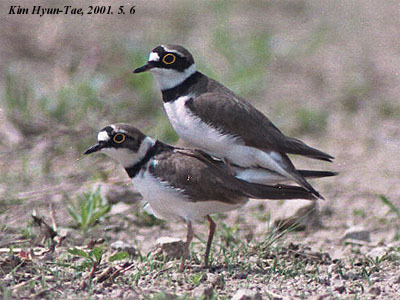
コチドリ (Thinornis dubius) コチドリ
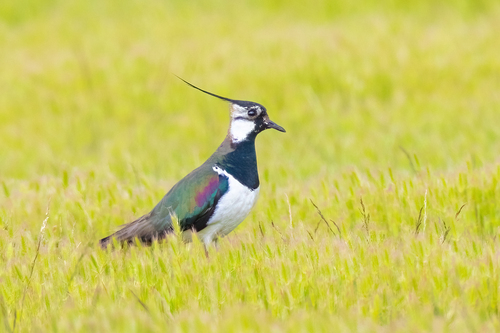
タゲリ (Vanellus vanellus) タゲリ

メディア

読み込み中…

要点

コチドリとタゲリを区別する最も信頼できるフィールドマークは、全体的な構造とサイズです:Lapwingははるかに大きく、特徴的な長い冠、丸い翼、緑色の光沢のある背中を持っていますが、コチドリはコンパクトで小さなチドリで、きれいな黄色のアイリングと冠がありません。飛んでいるときも静止しているときも、Lapwingは大胆な白と黒のコントラストときらめく緑の背中を示し、コチドリは上面が無地の茶色で、単一の黒い首帯と白い腹部を持っています。年齢による混乱は起こりにくく、両種の幼鳥でもサイズと形が大きく異なります。もし小さくて短いくちばしのチドリを見かけ、黄色のアイリングがあり、冠がなければ、それはコチドリです;大きくて冠のある、黒と白の水鳥で緑の背中を持つのはタゲリです。

識別のコツ

  1. Size and structure: Lapwingはコチドリよりもはるかに大きくてがっしりしています。もし鳩のサイズかそれ以上の鳥を見かけたら、それはLapwingです;スズメサイズの繊細な水鳥はコチドリです。すべての年齢と季節に適用されます。
  2. Crest: Lapwingだけが長くてふわふわした冠を持っています(オスが最も長く、メスや幼鳥は短い)。コチドリは決して冠を示しません。これはすべての距離と年齢で確認できます。
  3. Head pattern: コチドリはきれいな黒いマスクと明確な黄色のアイリングを持ち、白い額と単一の黒い首帯があります。Lapwingは黒い模様のある白い顔、黒い冠、長い冠を持っていますが、黄色のアイリングはありません。これは近距離での診断に役立ちます。
  4. Back color: Lapwingの背中は緑色の光沢があり、特に良い光の下で虹色に見えます。コチドリは上面が無地の茶色で、決して緑がかったり光沢があったりしません。
  5. Underparts: 両者とも腹部は白ですが、Lapwingは黒い胸と喉(特にオス)を持ち、コチドリは単一の鋭い黒い首帯とそれ以外は白い腹部を持っています。
  6. Leg color: コチドリは肉色の脚を持っています;Lapwingの脚はメモに記載されていませんが、一般的に体のサイズに対して暗くて長いです。
  7. Bill: コチドリは短くて細い黒いくちばしを持っています;Lapwingのくちばしは長くて頑丈ですが、これは他のマークよりも目立ちません。
  8. Flight shape: Lapwingは広くて丸い翼を持ち、深い翼の打撃で遅くてふらふらした飛行を示します。コチドリは迅速で直接的な飛行を持ち、急速な翼の打撃と尖った翼があります。
  9. Wing pattern in flight: Lapwingは飛行中に上面と下面が大胆に白と黒で、目を引くコントラストを示します。コチドリは上面が無地の茶色で、下面が白で、目立つ翼のパターンはありません。
  10. Vocalization: Lapwingは特に春に騒がしく、大きな「ピーウィット」という鳴き声とディスプレイフライトを持っています。コチドリは静かで目立たず、メモには鳴き声の記載はありませんが、Lapwingの大きくて特徴的な鳴き声はありません。
  11. Habitat: もし鳥が大きくて開けた草原や湿った草地にいるなら、特に群れであれば、Lapwingの可能性が高いです。もし水の近くの裸の砂利、砂、または泥の上にいて、一羽または小さなグループであれば、コチドリを疑ってください。
  12. Behavior: Lapwingはしばしばゆっくり歩きながら採餌し、大きな群れで行動することもあります。コチドリは短いバーストで走り、通常は一羽またはペアで採餌します。
  13. Sex and age: Lapwingのオスはより長い冠と頭部や胸部の黒がよりはっきりしていますが、すべての年齢と性別ははるかに大きく、同じ基本的なパターンを示します。コチドリはすべての羽色で似ており、成鳥には常に黄色のアイリングがあります。
  14. Juvenile confusion: 両種の幼鳥の特徴的な翼のパターンは記載されていませんが、若いLapwingははるかに大きく、冠があり、黒と白です。一方、若いLittle Ringed Ploversは小さく、無地で、冠がありません。
  15. Pitfalls: 遠くからでも、Lapwingの白と黒のコントラストとサイズは依然として明らかです;コチドリは非常に無地に見えることがありますが、決して冠や緑の光沢を示しません。もし黄色のアイリングを見たら、それは決してLapwingではありません。

大きさ

タゲリは劇的に大きく、28–33 cmの長さで、67–87 cmの翼幅、重さは128–330 gです [wikipedia]。コチドリははるかに小さく、より繊細で、メモには直接的な測定はありませんが、典型的な小さなチドリで、Lapwingよりもはるかに軽く短いです。Lapwingはまた、よりがっしりしており、体が長く、翼が広く、目立つ冠を持っていますが、コチドリはコンパクトで短い脚を持ち、冠がありません。

羽色

行動

タゲリはしばしば群れで見られ、特に繁殖期以外では目立つディスプレイフライトを持ち、遅くて深い翼の打撃とアクロバティックな回転を伴います。オープングラウンドで歩きながら採餌します。コチドリはより孤独で、または小さなグループで行動し、短いバーストで走り、地面や泥をつついて採餌します。Lapwingの飛行は遅くてふらふらしており、広くて丸い翼を持っていますが、コチドリは小さなチドリに典型的な迅速で直接的な飛行を持ち、急速な翼の打撃を示します。

生息環境

コチドリは淡水の近くの開けた裸またはまばらに植生のある地面を好み(砂利の採掘場、河岸、湖岸)、しばしばほとんど覆いがありません。タゲリは湿った草地、農地、湿地を含むより広範な開放的な生息地を利用し、水辺にあまり依存しません。Lapwingは大きくて開けた野原や湿った草地にいる可能性が高く、時には水から遠く離れていることもありますが、コチドリは通常水の近くで、はるかに裸の地面にいます。

声

タゲリは繁殖期に特に声が大きく、鋭い「ピーウィット」という鳴き声とさまざまなキュッキュッという音を持っています。そのディスプレイフライトは常に鳴き声を伴います。コチドリははるかに静かで、メモには鳴き声の記載はありませんが、Lapwingの大きくて特徴的な鳴き声は持っていません。「ピーウィット」やそれに似た音を聞いたら、それはLapwingです。

より良い説明を送る

比較と同じ項目を使ってください。文章はすぐに公開されます。

The most reliable field mark to separate Little Ringed Plover from Northern Lapwing is overall structure and size: Lapwing is much larger, with a distinctive long crest, rounded wings, and a green-glossed back, while Little Ringed Plover is a compact, small plover with a neat yellow eye-ring and no crest. In flight or at rest, Lapwing shows bold black-and-white contrast and a shimmering green back, while Little Ringed Plover is plain brown above with a single black neckband and white underparts. Age-related confusion is unlikely, as even juveniles of both species differ strongly in size and shape. If you see a small, short-billed plover with a yellow eye-ring and no crest, it is Little Ringed Plover; a large, crested, black-and-white wader with a green back is Northern Lapwing.

  1. Size and structure: Lapwing is much larger and bulkier than Little Ringed Plover. If you see a bird the size of a pigeon or larger, it is Lapwing; a sparrow-sized, delicate wader is Little Ringed Plover. Works for all ages and seasons.
  2. Crest: Only Lapwing has a long, wispy crest (longest in males, shorter in females/juveniles). Little Ringed Plover never shows a crest. This is visible at all distances and ages.
  3. Head pattern: Little Ringed Plover has a neat black mask and a clear yellow eye-ring, with a white forehead and a single black neckband. Lapwing has a white face with black markings, a black crown, and a long crest, but no yellow eye-ring. This is diagnostic at close range.
  4. Back color: Lapwing's back is green-glossed and iridescent, especially in good light. Little Ringed Plover is plain brown above, never greenish or glossy.
  5. Underparts: Both are white below, but Lapwing has a black breast and throat (especially males), while Little Ringed Plover has a single, sharp black neckband and otherwise white underparts.
  6. Leg color: Little Ringed Plover has flesh-colored legs; Lapwing's legs are not described in the notes, but are generally darker and longer in proportion to body size.
  7. Bill: Little Ringed Plover has a short, fine, dark bill; Lapwing's bill is longer and stouter, but this is less obvious than other marks.
  8. Flight shape: Lapwing shows broad, rounded wings and a slow, floppy flight with deep wingbeats. Little Ringed Plover has quick, direct flight with rapid wingbeats and pointed wings.
  9. Wing pattern in flight: Lapwing is boldly black and white above and below in flight, with a striking contrast. Little Ringed Plover is plain brown above and white below, with no bold wing pattern.
  10. Vocalization: Lapwing is noisy, especially in spring, with a loud 'pee-wit' call and display flights. Little Ringed Plover is quiet and unobtrusive.
  11. Habitat: If the bird is in a large, open, grassy field or wet meadow, especially in a flock, Lapwing is likely. If it is on bare gravel, sand, or mud near water, and alone or in a small group, suspect Little Ringed Plover.
  12. Behavior: Lapwing often feeds by walking slowly and picking, sometimes in large groups. Little Ringed Plover runs in short bursts and stops to pick, usually alone or in pairs.
  13. Sex and age: Lapwing males have longer crests and more sharply defined black on the head and breast, but all ages and sexes are much larger and show the same basic pattern. Little Ringed Plover is similar in all plumages, with the yellow eye-ring always present in adults.
  14. Juvenile confusion: No distinctive juvenile wing patterns are described for either species, but even young Lapwing are much larger, crested, and black-and-white, while young Little Ringed Plovers are small, plain, and lack a crest.
  15. Pitfalls: At long range, Lapwing's black-and-white contrast and size are still obvious; Little Ringed Plover can appear very plain, but never shows a crest or green gloss. If you see a yellow eye-ring, it is never Lapwing.

Northern Lapwing is dramatically larger: 28–33 cm long with a 67–87 cm wingspan and weighing 128–330 g [wikipedia]. Little Ringed Plover is much smaller and more delicate, with no direct measurements in the notes, but it is a typical small plover and much lighter and shorter than Lapwing. Lapwing is also bulkier, with a longer body, broader wings, and a prominent crest, while Little Ringed Plover is compact, short-legged, and lacks a crest.

  • Juvenile/Immature birds: There is no mention of distinctive juvenile wing patterns for either species in the sources, but both are separable at all ages by size, structure, and head pattern.
  • Adults: Little Ringed Plover is brown above, white below, with a single neat black neckband, a black mask, and a clear yellow eye-ring. Its legs are flesh-colored. Northern Lapwing is strikingly black and white, with a green-glossed back, a long black crest, and a white face with black markings. Males have a longer crest and more sharply defined black on the head and breast; females and young have shorter crests and duller head markings, but still show the same overall pattern. Lapwing's wings are rounded and broad, and in flight, it shows bold black and white contrast, unlike the plover's plain brown and white appearance.

Northern Lapwing is often seen in flocks, especially outside the breeding season, and is conspicuous in display flight with slow, deep wingbeats and acrobatic tumbling. It feeds by walking and picking on open ground. Little Ringed Plover is more solitary or in small groups, runs in short bursts, and feeds by picking at the ground or mud. Lapwing's flight is slow and floppy, with broad, rounded wings, while Little Ringed Plover has quick, direct flight with rapid wingbeats typical of small plovers.

Little Ringed Plover prefers open, bare or sparsely vegetated ground near freshwater (gravel pits, riverbanks, lakeshores), often with little cover. Northern Lapwing uses a wider range of open habitats, including wet grassland, farmland, and marshes, and is less tied to water edges. Lapwing is more likely in large, open fields or wet meadows, sometimes far from water, while Little Ringed Plover is usually close to water and on much barer ground.

Northern Lapwing is highly vocal, especially in the breeding season, with a loud, shrill 'pee-wit' call and a variety of squeaks and mewing sounds. Its display flight is accompanied by constant calling. Little Ringed Plover is much quieter; no vocalizations are described in the notes, but it does not have the Lapwing's loud, distinctive calls. If you hear a 'pee-wit' or similar, it is Lapwing.

変更を破棄しますか?

保存していない編集があります。今離れると失われます。

コチドリ · タゲリ · 苦手な鳥