

light-vented bulbul vs bulbul-de-barrete-preto
Pycnonotus sinensis versus Pycnonotus aurigaster
Jogue um quiz com light-vented bulbul e bulbul-de-barrete-preto
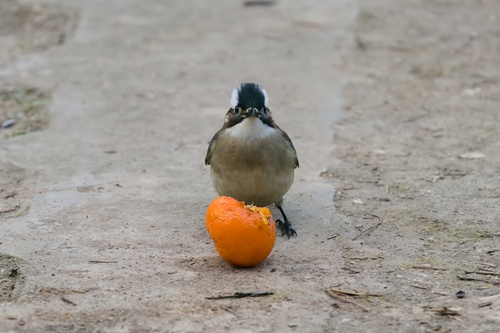 light-vented bulbul
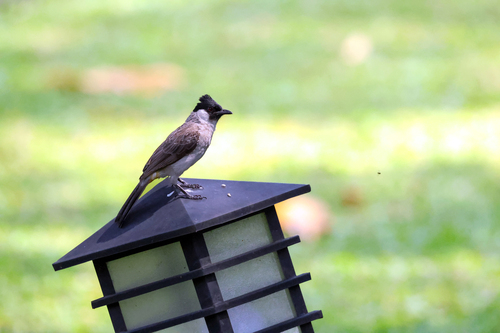 bulbul-de-barrete-preto
Em resumo
A marca de campo mais confiável para separar o light-vented bulbul do bulbul-de-barrete-preto é o padrão da cabeça: o light-vented bulbul apresenta uma coroa preta marcante com grandes manchas brancas na nuca e nas laterais da cabeça, enquanto o bulbul-de-barrete-preto tem uma cor preta menos extensa na cabeça e carece da forte mancha branca na nuca. Além disso, o bulbul-de-barrete-preto frequentemente apresenta uma parte frontal de cor bege pálido e, em algumas subespécies, um ventral de cor dourada, que o light-vented bulbul não possui. Ambas as espécies são semelhantes em tamanho e forma geral, mas seus padrões de cabeça e ventral são as principais diferenças. A sobreposição de habitat pode ocorrer, mas o light-vented bulbul se sente mais à vontade em ambientes urbanos e levemente arborizados, enquanto o bulbul-de-barrete-preto prefere áreas mais florestadas ou menos urbanizadas.
Dicas de identificação
- Padrão da Cabeça: O light-vented bulbul apresenta uma coroa preta ousada e uma faixa bigode, com grandes manchas brancas na nuca e nas laterais da cabeça, e uma linha branca do olho até a parte de trás da cabeça. O bulbul-de-barrete-preto tem uma cabeça preta menos extensa, carecendo da forte mancha branca na nuca e da faixa branca ao redor do olho. Esta é a marca mais confiável para adultos e imaturos mais velhos.
- Cor do Ventral: O bulbul-de-barrete-preto pode apresentar um ventral de cor dourada em algumas subespécies, que nunca está presente no light-vented bulbul. Sempre verifique a área do subcaudal, se visível.
- Cresta: O bulbul-de-barrete-preto frequentemente apresenta uma cresta curta, dando à cabeça uma aparência ligeiramente pontuda. O light-vented bulbul não tem uma cresta notável, e a coroa parece mais suave.
- Partes Inferiores: O light-vented bulbul tem partes inferiores esbranquiçadas com uma faixa peitoral marrom pálido, enquanto o bulbul-de-barrete-preto tem uma parte frontal bege, que pode parecer mais quente ou mais suja do que o branco limpo do light-vented.
- Partes Superiores e Asas: Ambas as espécies têm asas e caudas acastanhadas, mas as do light-vented bulbul são contornadas com oliva, o que pode ser sutil. Isso não é um separador forte, a menos que visto bem.
- Contraste Facial: As manchas e linhas brancas na cabeça do light-vented bulbul são muito mais marcantes do que quaisquer marcas faciais no bulbul-de-barrete-preto, que parece mais simples e menos contrastante.
- Contexto de Habitat: Em parques urbanos, jardins e cidades, especialmente na China e em Taiwan, o light-vented bulbul é muito mais provável. Em áreas mais florestadas, rurais ou arbustivas no sudeste asiático, o bulbul-de-barrete-preto é mais esperado.
- Canto e Chamadas: O light-vented bulbul emite um canto brilhante e variável 'cha-ko-lee', enquanto a chamada do bulbul-de-barrete-preto é uma série apressada de notas assobiadas. Use com cautela, a menos que esteja familiarizado com ambos.
- Postura Empoleirada: Ambos empoleiram-se eretos, mas a cresta do bulbul-de-barrete-preto pode fazer a cabeça parecer mais pontuda.
- Pássaros Juvenis/Imaturos: Nenhuma diferença distintiva de padrão de asa ou de voo juvenil é descrita, então confie no padrão da cabeça e do ventral mesmo em jovens pássaros.
- Tamanho e Estrutura: Ambos são semelhantes em tamanho e forma; não use o tamanho como um separador primário.
- Armadilhas: Cuidado com pássaros desgastados ou em muda, pois o padrão da cabeça pode parecer menos nítido, mas a mancha branca na nuca e a faixa ao redor do olho do light-vented geralmente ainda são visíveis.
- Diferenças Sexuais: Nenhum dimorfismo sexual forte é descrito para ambas as espécies, então todas as marcas se aplicam a ambos os sexos.
- Variação Sazonal: Nenhuma mudança significativa de plumagem sazonal é notada para ambas as espécies; os padrões de cabeça e ventral são confiáveis durante todo o ano.
- Zonas de Sobreposição: Onde ambas as espécies ocorrem, sempre priorize o padrão da cabeça e a cor do ventral em relação ao habitat, pois ambas podem ocorrer em habitats de borda.
Tamanho
Ambas as espécies são bulbuls de tamanho médio e estão muito próximas em comprimento: o light-vented bulbul mede cerca de 19 cm de comprimento e pesa cerca de 29,9 g [wikidata], enquanto o bulbul-de-barrete-preto varia de 18 a 21 cm de comprimento [wikipedia]. No campo, o tamanho não é um separador confiável; ambos parecem semelhantes em volume e proporções.
Plumagem
Nenhuma diferença distintiva de padrão de asa juvenil ou imaturo é descrita para essas duas espécies, então o foco está na plumagem adulta e geral. O light-vented bulbul é caracterizado por uma coroa preta afiada e uma faixa bigode, com manchas brancas proeminentes na nuca e nas laterais da cabeça, e uma linha branca do olho até a parte de trás da cabeça. Suas partes superiores são marrom acinzentado com tons de oliva, e as asas e a cauda são marrons com bordas de oliva. As partes inferiores são esbranquiçadas com uma faixa peitoral marrom pálido. O bulbul-de-barrete-preto, por outro lado, tem uma cor preta menos extensa na cabeça, uma cresta curta e uma parte frontal bege. Algumas subespécies mostram um ventral de cor dourada, que nunca está presente no light-vented bulbul. O bulbul-de-barrete-preto carece da forte mancha branca na nuca e da faixa branca atrás do olho vista no light-vented. Ambas as espécies têm asas e caudas acastanhadas, mas os padrões de cabeça e ventral são os mais diagnósticos.
Comportamento
Ambas as espécies são pássaros canoros ativos e sociais, frequentemente vistos em pares ou pequenos grupos. O light-vented bulbul é barulhento e conspícuo, especialmente em parques e jardins urbanos, enquanto o bulbul-de-barrete-preto é mais frequentemente encontrado em habitats de borda florestal ou arbustivos menos urbanizados. Ambos empoleiram-se eretos e se movem ativamente através da folhagem, mas seu comportamento não é um separador forte em zonas de sobreposição.
Habitat
O light-vented bulbul é abundante em áreas levemente arborizadas, terras cultivadas, arbustos e é especialmente comum em cidades, subúrbios e parques urbanos dentro de sua faixa [wikipedia]. O bulbul-de-barrete-preto é mais frequentemente encontrado em florestas tropicais ou subtropicais úmidas de baixada e está geralmente mais associado a habitats florestais ou arbustivos menos urbanizados no sudeste asiático [wikipedia]. Em zonas de sobreposição, o light-vented bulbul tende a dominar habitats urbanos e suburbanos, enquanto o bulbul-de-barrete-preto é mais provável de ser encontrado em áreas rurais ou de borda florestal.
Voz
O light-vented bulbul tem um canto brilhante e variável frequentemente descrito como 'cha-ko-lee...cha-ko-lee...', e é geralmente barulhento. A chamada do bulbul-de-barrete-preto é uma série de notas assobiadas, semelhante em tom ao red-whiskered bulbul, mas entregue de forma mais apressada. Embora ambos sejam vocais, o canto do light-vented é mais variado e musical, enquanto o do bulbul-de-barrete-preto é mais apressado e assobiado. No entanto, a voz sozinha nem sempre é diagnóstica sem experiência.
light-vented bulbul · bulbul-de-barrete-preto · Minhas aves difíceis