

Light-vented Bulbul vs Sooty-headed Bulbul
Pycnonotus sinensis contro Pycnonotus aurigaster
Fai un quiz con Light-vented Bulbul e Sooty-headed Bulbul
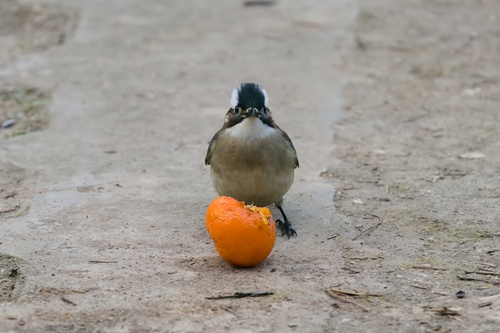 Light-vented Bulbul
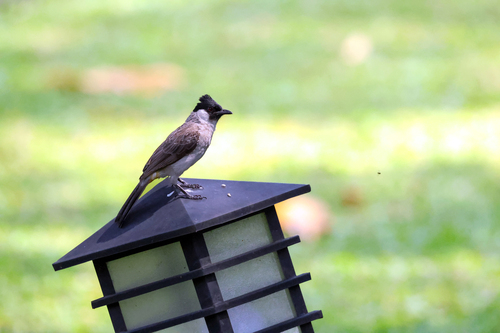 Sooty-headed Bulbul
In breve
Il segno di campo più affidabile per separare il Light-vented Bulbul dal Sooty-headed Bulbul è il motivo della testa: il Light-vented Bulbul mostra una corona nera sorprendente con grandi macchie bianche sulla nuca e sui lati della testa, mentre il Sooty-headed Bulbul ha un nero meno esteso sulla testa e manca della forte macchia bianca sulla nuca. Inoltre, il Sooty-headed Bulbul mostra spesso un fronte di un beige pallido e, in alcune sottospecie, un ventre color oro, che il Light-vented Bulbul non ha. Entrambe le specie sono simili in dimensioni e forma generale, ma i loro motivi sulla testa e sul ventre sono le principali differenze. Può verificarsi sovrapposizione di habitat, ma il Light-vented Bulbul è più a suo agio in ambienti urbani e leggermente boschivi, mentre il Sooty-headed Bulbul preferisce aree più boschive o meno urbanizzate.
Consigli di identificazione
- Head Pattern: Il Light-vented Bulbul mostra una corona nera audace e una striscia moustachiale, con grandi macchie bianche sulla nuca e sui lati della testa, e una linea bianca dall'occhio alla parte posteriore della testa. Il Sooty-headed Bulbul ha una testa nera meno estesa, mancando della forte macchia bianca sulla nuca e della striscia bianca sull'occhio. Questo è il segno più affidabile per adulti e immaturi più anziani.
- Vent Color: Il Sooty-headed Bulbul può mostrare un ventre color oro in alcune sottospecie, che non è mai presente nel Light-vented Bulbul. Controlla sempre l'area sotto la coda se visibile.
- Crest: Il Sooty-headed Bulbul mostra spesso una cresta corta, dando alla testa un aspetto leggermente appuntito. Il Light-vented Bulbul non ha una cresta evidente, e la corona appare più liscia.
- Underparts: Il Light-vented Bulbul ha parti inferiori bianche con una banda pettorale marrone chiaro, mentre il Sooty-headed Bulbul ha un fronte beige, che può sembrare più caldo o più sporco rispetto al bianco pulito del Light-vented.
- Upperparts and Wings: Entrambe le specie hanno ali e code marroni, ma quelle del Light-vented Bulbul sono bordate di oliva, il che può essere sottile. Questo non è un forte separatore a meno che non sia visto bene.
- Facial Contrast: Le macchie e le linee bianche sulla testa del Light-vented Bulbul sono molto più sorprendenti rispetto a qualsiasi marcatura facciale sul Sooty-headed Bulbul, che appare più semplice e meno contrastante.
- Habitat Context: Nei parchi urbani, giardini e città, specialmente in Cina e Taiwan, il Light-vented Bulbul è molto più probabile. In aree più boschive, rurali o cespugliose nel sud-est asiatico, ci si aspetta di più il Sooty-headed Bulbul.
- Song and Calls: Il Light-vented Bulbul emette un canto brillante e variabile 'cha-ko-lee', mentre il richiamo del Sooty-headed Bulbul è una serie affrettata di note fischiate. Usa cautela a meno che non sia familiare con entrambi.
- Perched Posture: Entrambi si posano eretti, ma la cresta del Sooty-headed può far sembrare la testa più appuntita.
- Juvenile/Immature Birds: Non sono descritte differenze distintive nel motivo delle ali o nel volo degli uccelli giovani, quindi fai affidamento sul motivo della testa e del ventre anche negli uccelli giovani.
- Size and Structure: Entrambi sono simili in dimensioni e forma; non usare la dimensione come separatore principale.
- Pitfalls: Fai attenzione agli uccelli usurati o in muta, poiché il motivo della testa può apparire meno nitido, ma la macchia bianca sulla nuca e la striscia oculare del Light-vented sono di solito ancora visibili.
- Sex Differences: Non è descritto un forte dimorfismo sessuale per nessuna delle due specie, quindi tutti i segni si applicano a entrambi i sessi.
- Seasonal Variation: Non è notato un cambiamento di piumaggio stagionale significativo per nessuna delle due specie; i motivi della testa e del ventre sono affidabili tutto l'anno.
- Overlap Zones: Dove si verificano entrambe le specie, dai sempre priorità al motivo della testa e al colore del ventre rispetto all'habitat, poiché entrambe possono verificarsi negli habitat di confine.
Taglia
Entrambe le specie sono bulbuli di dimensioni medie e sono molto simili in lunghezza: il Light-vented Bulbul è lungo circa 19 cm e pesa circa 29,9 g [wikidata], mentre il Sooty-headed Bulbul varia da 18 a 21 cm di lunghezza [wikipedia]. Sul campo, la dimensione non è un separatore affidabile; entrambe appaiono simili in bulk e proporzioni.
Piumaggio
Non sono descritte differenze distintive nel motivo delle ali o nel volo degli uccelli giovani per queste due specie, quindi ci si concentra sul piumaggio adulto e generale. Il Light-vented Bulbul è caratterizzato da una corona nera affilata e una striscia moustachiale, con macchie bianche prominenti sulla nuca e sui lati della testa, e una linea bianca dall'occhio alla parte posteriore della testa. Le sue parti superiori sono di un marrone grigiastro con toni di oliva, e le ali e la coda sono marroni bordate di oliva. Le parti inferiori sono bianche con una banda pettorale marrone chiaro. Il Sooty-headed Bulbul, al contrario, ha un nero meno esteso sulla testa, una cresta corta e un fronte beige. Alcune sottospecie mostrano un ventre color oro, che non è mai presente nel Light-vented Bulbul. Il Sooty-headed manca della forte macchia bianca sulla nuca e della striscia bianca dietro l'occhio vista nel Light-vented. Entrambe le specie hanno ali e code marroni, ma i motivi sulla testa e sul ventre sono i più diagnostici.
Comportamento
Entrambe le specie sono uccelli canori attivi e sociali spesso visti in coppie o piccoli gruppi. Il Light-vented Bulbul è rumoroso e appariscente, specialmente nei parchi e giardini urbani, mentre il Sooty-headed Bulbul si trova più spesso in habitat meno urbanizzati, ai margini delle foreste o cespugliosi. Entrambi si posano eretti e si muovono attivamente attraverso il fogliame, ma il loro comportamento non è un forte separatore nelle zone di sovrapposizione.
Habitat
Il Light-vented Bulbul è abbondante in aree leggermente boschive, terreni coltivati, cespugli e è particolarmente comune in città, sobborghi e parchi urbani all'interno del suo areale [wikipedia]. Il Sooty-headed Bulbul si trova più spesso in foreste umide di pianura subtropicali o tropicali ed è generalmente più associato a habitat meno urbanizzati, boschivi o cespugliosi nel sud-est asiatico [wikipedia]. Nelle zone di sovrapposizione, il Light-vented Bulbul tende a dominare gli habitat urbani e suburbani, mentre il Sooty-headed Bulbul è più probabile che si trovi in aree ai margini delle foreste o rurali.
Voce
Il Light-vented Bulbul ha un canto brillante e variabile spesso descritto come 'cha-ko-lee...cha-ko-lee...', ed è generalmente rumoroso. Il richiamo del Sooty-headed Bulbul è una serie di note fischiate, simile nel tono a quello del Red-whiskered Bulbul ma emesso più in fretta. Anche se entrambi sono vocali, il canto del Light-vented è più vario e musicale, mentre quello del Sooty-headed è più affrettato e fischiato. Tuttavia, la voce da sola non è sempre diagnostica senza esperienza.
Light-vented Bulbul · Sooty-headed Bulbul · I miei uccelli difficili