

Motmot

シロガシラ 対 コシジロヒヨドリ

Pycnonotus sinensis 対 Pycnonotus aurigaster

シロガシラとコシジロヒヨドリのクイズ
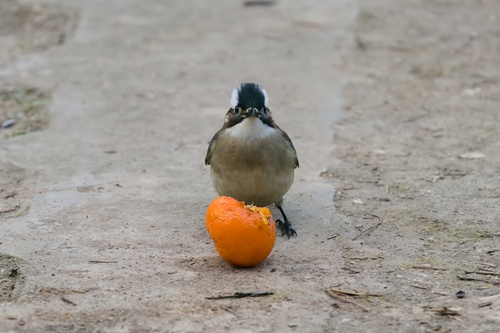
シロガシラ (Pycnonotus sinensis) シロガシラ
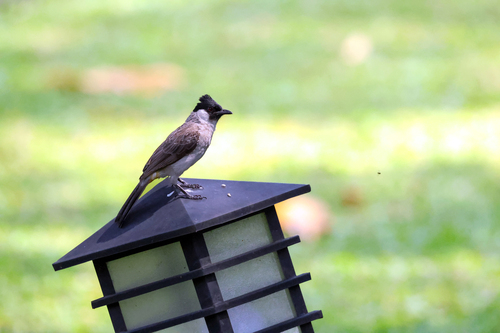
コシジロヒヨドリ (Pycnonotus aurigaster) コシジロヒヨドリ

メディア

読み込み中…

要点

シロガシラとコシジロヒヨドリを区別する最も信頼できるフィールドマークは頭の模様です:シロガシラは、頭の後ろと側面に大胆な白い斑点がある際立った黒い冠を示し、一方コシジロヒヨドリは頭の黒があまり広がっておらず、強い白い後頭部の斑点が欠けています。さらに、コシジロヒヨドリはしばしば淡いタン色の前面を示し、一部の亜種では金色の腹部を持っていますが、シロガシラにはそれがありません。両種はサイズと全体的な形状が似ていますが、頭と腹部の模様が主な違いです。生息地の重複は発生する可能性がありますが、シロガシラは都市部や軽い森林の環境により適しており、コシジロヒヨドリはより森林の多い、または都市化が進んでいない地域を好みます。

識別のコツ

  1. Head Pattern: シロガシラは大胆な黒い冠と口ひげのストライプを示し、頭の後ろと側面に大きな白い斑点があり、目から頭の後ろまで白い線があります。コシジロヒヨドリは、強い白い後頭部の斑点と白い目のストライプが欠けている、あまり広がっていない黒い頭を持っています。これは成鳥と古い幼鳥にとって最も信頼できるマークです。
  2. Vent Color: コシジロヒヨドリは一部の亜種で金色の腹部を示すことがありますが、シロガシラには決して存在しません。目に見える場合は、必ず尾の下の部分を確認してください。
  3. Crest: コシジロヒヨドリはしばしば短い冠を示し、頭を少し尖った外観にします。シロガシラには目立つ冠がなく、冠は滑らかに見えます。
  4. Underparts: シロガシラは淡い茶色の胸帯を持つ白っぽい下部を持ち、コシジロヒヨドリはタン色の前面を持ち、シロガシラの清潔な白よりも温かく見えたり、汚れて見えたりすることがあります。
  5. Upperparts and Wings: 両種は茶色がかった翼と尾を持っていますが、シロガシラの翼はオリーブ色の縁取りがあり、これは微妙です。よく見ない限り、これは強い区別にはなりません。
  6. Facial Contrast: シロガシラの頭の白い斑点と線は、コシジロヒヨドリの顔の模様よりもはるかに際立っており、コシジロヒヨドリはより平坦で対照が少ないように見えます。
  7. Habitat Context: 都市公園、庭、町、特に中国と台湾では、シロガシラがはるかに多く見られます。東南アジアのより森林の多い、田舎の、または低木のある地域では、コシジロヒヨドリがより期待されます。
  8. Song and Calls: シロガシラは明るく変化に富んだ「チャコリー」という歌を歌い、コシジロヒヨドリの呼び声は急いだ笛の音の連続です。両方に慣れていない限り、注意して使用してください。
  9. Perched Posture: 両方とも直立して止まりますが、コシジロヒヨドリの冠は頭をより尖ったように見せることがあります。
  10. Juvenile/Immature Birds: 特徴的な幼鳥の翼や飛行パターンの違いは記載されていないため、若い鳥でも頭と腹部の模様に頼ってください。
  11. Size and Structure: 両方ともサイズと形状が似ており、サイズを主要な区別要因として使用しないでください。
  12. Pitfalls: 摩耗したり換羽中の鳥に注意してください。頭の模様があまり鮮明に見えないことがありますが、シロガシラの白い後頭部の斑点と目のストライプは通常まだ見えます。
  13. Sex Differences: どちらの種にも強い性的二形性は記載されていないため、すべてのマークは両方の性に適用されます。
  14. Seasonal Variation: どちらの種にも大きな季節的羽毛の変化は記載されておらず、頭と腹部の模様は年間を通じて信頼できます。
  15. Overlap Zones: 両種が生息する場所では、常に生息地よりも頭の模様と腹部の色を優先してください。両方がエッジの生息地に存在する可能性があります。

大きさ

両種は中型のヒヨドリで、長さは非常に近いです:シロガシラは約19 cmの長さで、重さは約29.9 g [wikidata]であり、コシジロヒヨドリは18〜21 cmの長さです [wikipedia]。フィールドでは、サイズは信頼できる区別要因ではなく、両方とも体格と比率が似ています。

羽色

これら2種の特徴的な幼鳥や未熟な翼のパターンの違いは記載されていないため、成鳥と一般的な羽毛に焦点を当てます。シロガシラは、頭の後ろと側面に目立つ白い斑点がある鋭い黒い冠と口ひげのストライプが特徴で、目から頭の後ろまで白い線があります。上面は灰褐色でオリーブ色のトーンがあり、翼と尾はオリーブ色の縁取りがある茶色です。下部は淡い茶色の胸帯を持つ白っぽいです。対照的に、コシジロヒヨドリは頭の黒があまり広がっておらず、短い冠とタン色の前面を持っています。一部の亜種は金色の腹部を示しますが、シロガシラには決して存在しません。コシジロヒヨドリはシロガシラに見られる大胆な白い後頭部の斑点と目の後ろの白いストライプが欠けています。両種は茶色がかった翼と尾を持っていますが、頭と腹部の模様が最も診断的です。

行動

両種は活発で社交的な歌鳥で、しばしばペアや小グループで見られます。シロガシラは特に都市公園や庭で騒がしく目立ち、コシジロヒヨドリはより都市化が進んでいない森林の端や低木のある生息地で見られることが多いです。両方とも直立して止まり、葉の間を活発に移動しますが、重複ゾーンでは行動は強い区別要因ではありません。

生息環境

シロガシラは軽い森林のある地域、耕作地、低木地に豊富で、特にその範囲内の町、郊外、都市公園で一般的です [wikipedia]。コシジロヒヨドリは、亜熱帯または熱帯の湿った低地森林で最もよく見られ、一般的には東南アジアのより都市化が進んでいない森林の多いまたは低木のある生息地に関連しています [wikipedia]。重複ゾーンでは、シロガシラは都市および郊外の生息地を支配する傾向があり、コシジロヒヨドリは森林の端や田舎の地域で見られる可能性が高いです。

声

シロガシラは明るく変化に富んだ歌を持ち、しばしば「チャコリー...チャコリー...」と表現され、一般的に騒がしいです。コシジロヒヨドリの呼び声は、赤頬ヒヨドリに似た笛の音の連続ですが、より急いで発せられます。両方とも声を出しますが、シロガシラの歌はより多様で音楽的であり、コシジロヒヨドリの声はより急いで笛のようです。しかし、経験がない限り、声だけでは常に診断的ではありません。

より良い説明を送る

比較と同じ項目を使ってください。文章はすぐに公開されます。

The most reliable field mark to separate Light-vented Bulbul from Sooty-headed Bulbul is the head pattern: Light-vented Bulbul shows a striking black crown with bold white patches on the nape and sides of the head, while Sooty-headed Bulbul has a less extensive black on the head and lacks the strong white nape patch. In addition, Sooty-headed Bulbul often shows a pale tan front and, in some subspecies, a gold-colored vent, which Light-vented Bulbul lacks. Both species are similar in size and overall shape, but their head and vent patterns are the key differences. Habitat overlap can occur, but Light-vented Bulbul is more at home in urban and lightly wooded settings, while Sooty-headed Bulbul prefers more forested or less urbanized areas.

  1. Head Pattern: Light-vented Bulbul shows a bold black crown and moustachial stripe, with large white patches on the nape and sides of the head, and a white line from the eye to the back of the head. Sooty-headed Bulbul has a less extensive black head, lacking the strong white nape patch and white eye stripe. This is the most reliable mark for adults and older immatures.
  2. Vent Color: Sooty-headed Bulbul may show a gold-colored vent in some subspecies, which is never present in Light-vented Bulbul. Always check the undertail area if visible.
  3. Crest: Sooty-headed Bulbul often shows a short crest, giving the head a slightly peaked look. Light-vented Bulbul does not have a noticeable crest, and the crown appears smoother.
  4. Underparts: Light-vented Bulbul has whitish underparts with a pale brown breastband, while Sooty-headed Bulbul has a tan front, which can look warmer or dirtier than the clean white of Light-vented.
  5. Upperparts and Wings: Both species have brownish wings and tails, but Light-vented Bulbul's are fringed with olive, which can be subtle. This is not a strong separator unless seen well.
  6. Facial Contrast: The white patches and lines on Light-vented Bulbul's head are much more striking than any facial markings on Sooty-headed Bulbul, which looks plainer and less contrasting.
  7. Habitat Context: In urban parks, gardens, and towns, especially in China and Taiwan, Light-vented Bulbul is far more likely. In more forested, rural, or shrubby areas in southeastern Asia, Sooty-headed Bulbul is more expected.
  8. Song and Calls: Light-vented Bulbul gives a bright, variable 'cha-ko-lee' song, while Sooty-headed Bulbul's call is a hurried series of whistled notes. Use with caution unless familiar with both.
  9. Perched Posture: Both perch upright, but Sooty-headed's crest can make the head look more peaked.
  10. Juvenile/Immature Birds: No distinctive juvenile wing or flight pattern differences are described, so rely on head and vent pattern even in young birds.
  11. Size and Structure: Both are similar in size and shape; do not use size as a primary separator.
  12. Pitfalls: Beware of worn or molting birds, as head pattern may appear less crisp, but Light-vented's white nape patch and eye-stripe are usually still visible.
  13. Sex Differences: No strong sexual dimorphism is described for either species, so all marks apply to both sexes.
  14. Seasonal Variation: No major seasonal plumage change is noted for either species; head and vent patterns are reliable year-round.
  15. Overlap Zones: Where both species occur, always prioritize head pattern and vent color over habitat, as both can occur in edge habitats.

Both species are medium-sized bulbuls and are very close in length: Light-vented Bulbul is about 19 cm long and weighs around 29.9 g [wikidata], while Sooty-headed Bulbul ranges from 18–21 cm in length [wikipedia]. In the field, size is not a reliable separator; both appear similar in bulk and proportions.

No distinctive juvenile or immature wing pattern differences are described for these two species, so focus is on adult and general plumage. Light-vented Bulbul is characterized by a sharp black crown and moustachial stripe, with prominent white patches on the nape and sides of the head, and a white line from the eye to the back of the head. Its upperparts are greyish-brown with olive tones, and the wings and tail are brown edged with olive. Underparts are whitish with a pale brown breastband. Sooty-headed Bulbul, by contrast, has a less extensive black on the head, a short crest, and a tan front. Some subspecies show a gold-colored vent, which is never present in Light-vented Bulbul. The Sooty-headed lacks the bold white nape patch and the white streak behind the eye seen in Light-vented. Both species have brownish wings and tails, but the head and vent patterns are the most diagnostic.

Both species are active, social songbirds often seen in pairs or small groups. Light-vented Bulbul is noisy and conspicuous, especially in urban parks and gardens, while Sooty-headed Bulbul is more often found in less urbanized, forest-edge or shrubby habitats. Both perch upright and move actively through foliage, but their behavior is not a strong separator in overlap zones.

Light-vented Bulbul is abundant in lightly wooded areas, cultivated land, shrubland, and is especially common in towns, suburbs, and urban parks within its range [wikipedia]. Sooty-headed Bulbul is most often found in subtropical or tropical moist lowland forests and is generally more associated with less urbanized, forested or shrubby habitats in southeastern Asia [wikipedia]. In overlap zones, Light-vented Bulbul tends to dominate urban and suburban habitats, while Sooty-headed Bulbul is more likely in forest edge or rural areas.

Light-vented Bulbul has a bright, variable song often described as 'cha-ko-lee...cha-ko-lee...', and is generally noisy. Sooty-headed Bulbul's call is a series of whistled notes, similar in tone to the red-whiskered bulbul but delivered more hurriedly. While both are vocal, the Light-vented's song is more varied and musical, whereas Sooty-headed's is more hurried and whistled. However, voice alone is not always diagnostic without experience.

変更を破棄しますか?

保存していない編集があります。今離れると失われます。

シロガシラ · コシジロヒヨドリ · 苦手な鳥