

light-vented bulbul vs tentilhão-montês
Pycnonotus sinensis versus Fringilla montifringilla
Jogue um quiz com light-vented bulbul e tentilhão-montês
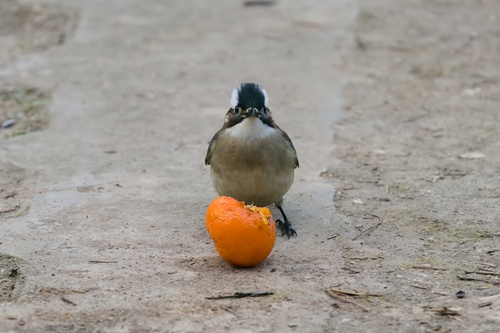 light-vented bulbul
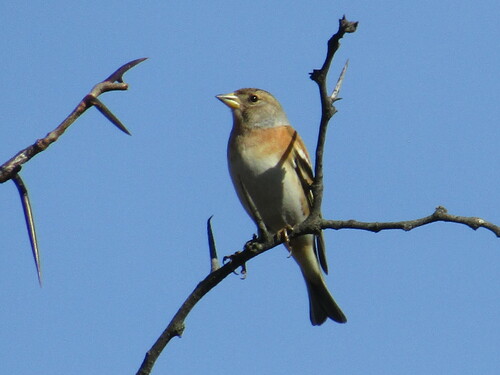 tentilhão-montês
Em resumo
A maneira mais confiável de separar o light-vented bulbul do tentilhão-montês é pelo padrão da cabeça: o light-vented bulbul sempre apresenta uma impressionante coroa preta e manchas brancas na nuca, enquanto o tentilhão-montês nunca o faz. Em voo ou em repouso, o tentilhão-montês (especialmente fêmeas e imaturos) pode parecer confusamente simples, mas sempre carece do contraste ousado da cabeça do bulbul. O bulbul é mais robusto, com uma cauda mais longa e uma postura mais ereta, enquanto o tentilhão-montês é menor, com cauda mais curta e mais parecido com um fringilídeo. Ambos podem ser vocais e ativos, mas seus chamados e canções são completamente diferentes. Se você estiver em dúvida, concentre-se no padrão da cabeça e na estrutura geral, pois esses são consistentes em todas as idades e estações.
Dicas de identificação
- O padrão da cabeça é fundamental: O light-vented bulbul sempre apresenta uma coroa preta e uma faixa bigode, com manchas brancas ousadas na nuca e nas bochechas. O tentilhão-montês nunca apresenta esse padrão, independentemente da idade ou sexo.
- Cor e forma do bico: O bulbul tem um bico escuro, ligeiramente curvado, típico dos bulbuls; o tentilhão-montês tem um bico cônico, parecido com um fringilídeo, que é amarelo na maioria das plumagens (preto em machos em reprodução). Esta é uma diferença estrutural confiável a curta distância.
- Forma do corpo e postura: O bulbul é mais robusto, com cauda mais longa e empoleira-se ereto, muitas vezes parecendo alongado. O tentilhão-montês é menor, mais arredondado e empoleira-se mais horizontalmente, com cauda mais curta.
- Corpo superior e cor das asas: As partes superiores do bulbul são marrom-acinzentadas com tons de oliva, e as asas e a cauda são marrons com franjas de oliva. As partes superiores do tentilhão-montês são mais escuras, com escapulares laranja e sem tons de oliva.
- Partes inferiores: O bulbul é esbranquiçado por baixo, com uma faixa peitoral marrom clara. O tentilhão-montês tem um peito laranja impressionante e uma barriga branca, com flancos manchados de escuro. Mesmo em fêmeas e imaturos, o peito laranja está presente, embora menos vívido.
- Cor da rabadilha em voo: O tentilhão-montês tem uma rabadilha branca visível em voo, enquanto a rabadilha do bulbul não é contrastante e se mistura com as costas.
- Padrão da cauda: O tentilhão-montês não tem penas externas brancas na cauda (diferente do tentilhão-comum), e a cauda do bulbul é marrom-oliva simples, sem branco.
- Confusão juvenil/primeiro inverno: O tentilhão-montês juvenil é simples, mas ainda carece do ousado padrão da cabeça do bulbul; os juvenis do bulbul mantêm o contraste preto e branco da cabeça.
- Vocalizações: O bulbul é muito mais vocal, com uma canção brilhante e variável e chamados altos. Os chamados do tentilhão-montês são parecidos com os de um fringilídeo e menos musicais.
- Contexto de habitat: Em parques urbanos e jardins no Leste Asiático, o bulbul é o padrão. O tentilhão-montês é improvável nesses ambientes e mais típico em florestas abertas ou durante a migração.
- Comportamento em grupo: O tentilhão-montês é frequentemente encontrado em bandos, especialmente no inverno, enquanto o bulbul geralmente está em pares ou pequenos grupos.
- Estilo de voo: O tentilhão-montês tem um voo saltitante e ondulante; o bulbul voa de forma mais direta.
- Armadilhas de sexo/estação: Apenas o macho em reprodução do tentilhão-montês apresenta uma cabeça preta, mas é toda preta, não apenas a coroa, e carece de manchas brancas na nuca. Fêmeas e imaturos do tentilhão-montês são muito mais apagados e nunca mostram o padrão da cabeça do bulbul.
- Risco de confusão: Se você vê um pássaro com uma cabeça preto e branca, nunca é um tentilhão-montês. Se você vê um pássaro com um peito laranja e barriga branca, especialmente com uma rabadilha branca em voo, é um tentilhão-montês.
- Fallback: Quando em dúvida, concentre-se no padrão da cabeça e na forma do bico—estes são consistentes e diagnósticos em todas as idades e estações.
Tamanho
O light-vented bulbul é visivelmente mais pesado (29,9g vs. 22,0g) e mais longo (cerca de 19 cm) do que o tentilhão-montês. O bulbul parece mais robusto, com uma cauda mais longa e uma postura mais ereta, ligeiramente alongada. O tentilhão-montês é menor, mais compacto e tem a forma de um típico fringilídeo, com cauda mais curta e corpo mais arredondado. No campo, essa diferença é frequentemente aparente quando os dois são vistos lado a lado, mas pode ser sutil à distância ou em luz fraca.
Plumagem
Não importa a idade ou a estação, o light-vented bulbul apresenta um padrão de cabeça ousado: coroa preta e faixa bigode, manchas brancas na nuca e nas bochechas, e um rosto pálido. Isso está presente em todas as plumagens e é diagnóstico. Suas partes superiores são marrom-acinzentadas com tons de oliva, e as asas e a cauda são marrons com franjas de oliva. As partes inferiores são esbranquiçadas com uma faixa peitoral marrom clara. O tentilhão-montês, em contraste, nunca apresenta uma coroa preta com manchas brancas na nuca. O macho adulto do tentilhão-montês em plumagem de reprodução tem uma cabeça preta e peito laranja, mas o preto não se restringe à coroa e carece da nuca branca do bulbul. Fêmeas e imaturos são mais simples, com uma cabeça marrom riscada, escapulares laranja e barriga branca. Todos os tentilhões-monteses têm uma rabadilha branca (visível em voo), peito laranja e flancos manchados de escuro, sem tons de oliva ou padrão de cabeça ousado. A cor do bico no tentilhão-montês é amarela (exceto preto em machos em reprodução), enquanto o bico do bulbul é sempre escuro. O tentilhão-montês juvenil e do primeiro inverno não apresenta nenhum padrão de asa ou cauda que possa ser confundido com o bulbul; as asas e a cauda do bulbul são marrom-oliva simples. Em resumo, o padrão da cabeça do bulbul é único e sempre presente, enquanto o peito laranja e a rabadilha branca do tentilhão-montês são fundamentais em todas as idades.
Comportamento
O light-vented bulbul é frequentemente visto empoleirado ereto em ramos expostos, fios ou arbustos, às vezes em pequenos grupos, e é bastante confiante em parques e jardins urbanos. É ativo, barulhento e frequentemente balança a cauda. O tentilhão-montês é mais provável de ser visto em bandos, às vezes muito grandes, alimentando-se no chão ou nas árvores, especialmente durante a migração ou no inverno. Seus movimentos são mais parecidos com os de um fringilídeo: pulando ou batendo as asas, raramente empoleirando-se ereto por muito tempo. Em voo, o tentilhão-montês mostra um voo saltitante e ondulante típico de fringilídeos, enquanto o voo do bulbul é mais direto e menos saltitante.
Habitat
O light-vented bulbul prefere áreas levemente arborizadas, terras cultivadas, arbustos, e é muito comum em cidades, subúrbios e parques urbanos dentro de sua faixa asiática. O tentilhão-montês é um fringilídeo migratório, encontrado em uma ampla gama de habitats, mas tipicamente em florestas, bordas de bosques e campos abertos durante a migração e o inverno. Em áreas urbanas, o tentilhão-montês é muito menos provável, enquanto o bulbul é abundante. Se você estiver em um parque da cidade no Leste Asiático, o bulbul é muito mais provável; o tentilhão-montês é mais esperado em florestas abertas ou durante a migração.
Voz
O light-vented bulbul é barulhento, com uma canção brilhante e variável descrita como 'cha-ko-lee...cha-ko-lee...'. Seus chamados também são altos e distintos. A voz do tentilhão-montês não é descrita aqui, mas é muito diferente da canção e dos chamados do bulbul. Se você ouvir uma canção brilhante, repetitiva e variada, é provável que seja o bulbul; as vocalizações do tentilhão-montês são mais típicas de fringilídeos e carecem da qualidade musical do bulbul.
light-vented bulbul · tentilhão-montês · Minhas aves difíceis