

Light-vented Bulbul vs Peppola
Pycnonotus sinensis contro Fringilla montifringilla
Fai un quiz con Light-vented Bulbul e Peppola
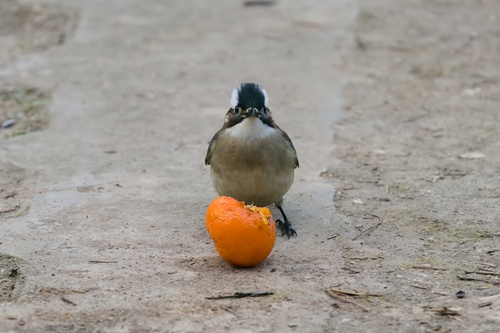 Light-vented Bulbul
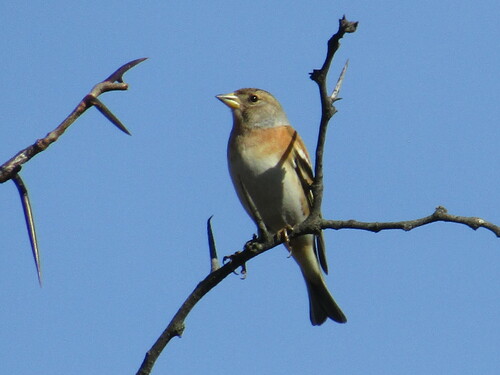 Peppola
In breve
Il modo più affidabile per separare il Light-vented Bulbul dalla Peppola è il motivo della testa: il Light-vented Bulbul mostra sempre una sorprendente corona nera e macchie bianche sulla nuca, mentre la Peppola non lo fa mai. In volo o a riposo, la Peppola (soprattutto le femmine e gli immaturi) può sembrare confusamente semplice, ma manca sempre del forte contrasto della testa del bulbul. Il bulbul ha un corpo più pesante, con una coda più lunga e una postura più eretta, mentre la Peppola è più piccola, con una coda più corta e un aspetto più simile a un fringillide. Entrambi possono essere vocali e attivi, ma i loro richiami e canti sono completamente diversi. Se non sei sicuro, concentrati sul motivo della testa e sulla struttura generale, poiché questi sono coerenti in tutte le età e stagioni.
Consigli di identificazione
- Il motivo della testa è fondamentale: il Light-vented Bulbul mostra sempre una corona nera e una striscia moustachiale, con macchie bianche sulla nuca e sulle guance. La Peppola non mostra mai questo motivo, indipendentemente dall'età o dal sesso.
- Colore e forma del becco: il bulbul ha un becco scuro, leggermente ricurvo, tipico dei bulbuli; la Peppola ha un becco conico, simile a quello di un fringillide, che è giallo nella maggior parte delle livree (nero nei maschi in riproduzione). Questa è una differenza strutturale affidabile a distanza ravvicinata.
- Forma del corpo e postura: il bulbul è più robusto, con una coda più lunga e si posiziona in modo eretto, apparendo spesso allungato. La Peppola è più piccola, più rotonda e si posiziona più orizzontalmente, con una coda più corta.
- Colore delle parti superiori e delle ali: le parti superiori del bulbul sono marrone-grigio con toni olivastri, e le ali e la coda sono marroni con bordature olivastre. Le parti superiori della Peppola sono più scure, con scapolari arancioni e senza toni olivastri.
- Parti inferiori: il bulbul è biancastro sotto con una banda pettorale marrone chiaro. La Peppola ha un sorprendente petto arancione e un ventre bianco, con fianchi macchiati di scuro. Anche nelle femmine e negli immaturi, il petto arancione è presente, sebbene meno vivido.
- Colore del croup in volo: la Peppola ha un croup bianco visibile in volo, mentre il croup del bulbul non è contrastante e si fonde con la schiena.
- Motivo della coda: la Peppola manca di penne esterne bianche sulla coda (a differenza del fringuello), e la coda del bulbul è marrone-olivastra senza bianco.
- Confusione giovanile/primo inverno: la Peppola giovanile è semplice ma manca ancora del forte motivo della testa del bulbul; i giovani bulbul mantengono il contrasto testa nera e bianca.
- Vocalizzazioni: il bulbul è molto più vocale, con un canto brillante e variabile e richiami forti. I richiami della Peppola sono simili a quelli dei fringillidi e meno musicali.
- Contesto dell'habitat: nei parchi e giardini urbani dell'Asia orientale, il bulbul è la norma. La Peppola è improbabile in questi ambienti ed è più tipica in boschi aperti o durante la migrazione.
- Comportamento di gruppo: la Peppola è spesso in stormi, soprattutto in inverno, mentre il bulbul è solitamente in coppie o piccoli gruppi.
- Stile di volo: la Peppola ha un volo saltellante e ondulato; il bulbul vola più direttamente.
- Trappole di sesso/stagione: solo il maschio in riproduzione della Peppola mostra una testa nera, ma è completamente nera, non solo la corona, e manca di macchie bianche sulla nuca. Le femmine e gli immaturi della Peppola sono molto più opachi e non mostrano mai il motivo della testa del bulbul.
- Rischio di confusione: se vedi un uccello con una testa nera e bianca, non è mai una Peppola. Se vedi un uccello con un petto arancione e un ventre bianco, specialmente con un croup bianco in volo, è una Peppola.
- Fallback: Quando hai dei dubbi, concentrati sul motivo della testa e sulla forma del becco: questi sono coerenti e diagnostici in tutte le età e stagioni.
Taglia
Il Light-vented Bulbul è notevolmente più pesante (29,9 g contro 22,0 g) e più lungo (circa 19 cm) della Peppola. Il bulbul appare più robusto, con una coda più lunga e una postura più eretta e leggermente allungata. La Peppola è più piccola, più compatta e ha una forma simile a quella di un tipico fringillide, con una coda più corta e un corpo più rotondo. Sul campo, questa differenza è spesso evidente quando i due sono visti fianco a fianco, ma può essere sottile a distanza o in scarsa illuminazione.
Piumaggio
Indipendentemente dall'età o dalla stagione, il Light-vented Bulbul mostra un motivo della testa audace: corona nera e striscia moustachiale, macchie bianche sulla nuca e sulle guance, e un volto pallido. Questo è presente in tutte le livree ed è diagnostico. Le sue parti superiori sono marrone-grigiastro con toni olivastri, e le ali e la coda sono marroni con bordature olivastre. Le parti inferiori sono biancastre con una banda pettorale marrone chiaro. La Peppola, al contrario, non mostra mai una corona nera con macchie bianche sulla nuca. Il maschio adulto della Peppola in livrea di riproduzione ha una testa nera e un petto arancione, ma il nero non è limitato alla corona e manca della bianca nuca del bulbul. Le femmine e gli immaturi sono più semplici, con una testa marrone striata, scapolari arancioni e un ventre bianco. Tutte le Peppole hanno un croup bianco (visibile in volo), petto arancione e fianchi macchiati di scuro, senza toni olivastri o motivo della testa audace. Il colore del becco nella Peppola è giallo (eccetto nero nei maschi in riproduzione), mentre il becco del bulbul è sempre scuro. I giovani e i primi inverni della Peppola non mostrano alcun motivo delle ali o della coda che potrebbe essere confuso con il bulbul; le ali e la coda del bulbul sono semplicemente marrone-olivastre. In sintesi, il motivo della testa del bulbul è unico e sempre presente, mentre il petto arancione e il croup bianco della Peppola sono chiave in tutte le età.
Comportamento
Il Light-vented Bulbul è spesso visto posato in modo eretto su rami esposti, fili o arbusti, a volte in piccoli gruppi, ed è piuttosto confidente nei parchi e giardini urbani. È attivo, rumoroso e spesso agita la coda. La Peppola è più probabile che venga vista in stormi, a volte molto grandi, che si nutrono a terra o sugli alberi, soprattutto durante la migrazione o in inverno. I suoi movimenti sono più simili a quelli dei fringillidi: saltellando o svolazzando, raramente posandosi in modo eretto per lungo tempo. In volo, la Peppola mostra un volo saltellante e ondulato tipico dei fringillidi, mentre il volo del bulbul è più diretto e meno rimbalzante.
Habitat
Il Light-vented Bulbul predilige aree leggermente boschive, terreni coltivati, macchie di arbusti ed è molto comune in città, sobborghi e parchi urbani all'interno del suo areale asiatico. La Peppola è un fringillide migratore, trovato in una vasta gamma di habitat ma tipicamente in foreste, margini boschivi e campagna aperta durante la migrazione e l'inverno. Nelle aree urbane, la Peppola è molto meno probabile, mentre il bulbul è abbondante. Se ti trovi in un parco cittadino nell'Asia orientale, il bulbul è di gran lunga più probabile; la Peppola è più attesa in boschi aperti o durante la migrazione.
Voce
Il Light-vented Bulbul è rumoroso, con un canto brillante e variabile descritto come 'cha-ko-lee...cha-ko-lee...'. I suoi richiami sono anche forti e distintivi. La voce della Peppola non è descritta qui, ma è molto diversa dal canto e dai richiami del bulbul. Se senti un canto brillante, ripetitivo e vario, è probabile che sia il bulbul; le vocalizzazioni della Peppola sono più tipiche dei fringillidi e mancano della qualità musicale del bulbul.