

Chinese buulbuul vs Keep
Pycnonotus sinensis versus Fringilla montifringilla
Speel een quiz met Chinese buulbuul en Keep
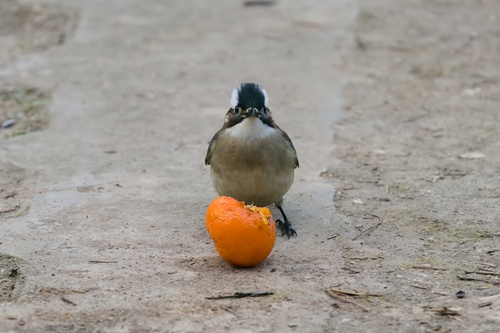 Chinese buulbuul
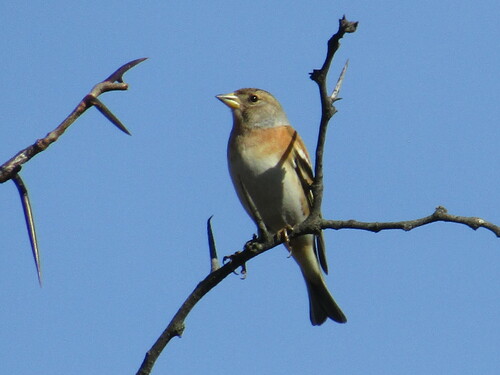 Keep
Kort gezegd
De meest betrouwbare manier om de Chinese buulbuul van de Keep te onderscheiden, is aan het koppatroon: de Chinese buulbuul heeft altijd een opvallende zwarte kroon en witte nekvlekken, terwijl de Keep dit nooit heeft. In de vlucht of in rust kan de Keep (vooral vrouwtjes en jonge vogels) verwarrend eenvoudig lijken, maar mist altijd het gedurfde kopcontrast van de buulbuul. De buulbuul is zwaarder, met een langere staart en een meer rechtopstaande houding, terwijl de Keep kleiner, kortstaartiger en meer vinkachtig is. Beide kunnen vocaal en actief zijn, maar hun roepen en liederen zijn totaal verschillend. Als je het niet zeker weet, concentreer je dan op het koppatroon en de algehele structuur, aangezien deze consistent zijn in alle leeftijden en seizoenen.
Herkenningstips
- Koppatroon is de sleutel: De Chinese buulbuul heeft altijd een zwarte kroon en snorstreek, met gedurfde witte nek- en wangvlekken. De Keep toont dit patroon nooit, ongeacht leeftijd of geslacht.
- Snavelkleur en -vorm: De buulbuul heeft een donkere, licht gebogen snavel die typisch is voor buulbuuls; de Keep heeft een conische, vinkachtige snavel die in de meeste verenkleed geel is (zwart bij broedende mannetjes). Dit is een betrouwbare structurele afwijking van dichtbij.
- Lichaamsvorm en houding: De buulbuul is robuuster, met een langere staart en zit rechtop, vaak met een verlengde uitstraling. De Keep is kleiner, ronder en zit meer horizontaal, met een kortere staart.
- Bovenste delen en vleugelkleur: De bovenste delen van de buulbuul zijn grijsbruin met olijftinten, en de vleugels en staart zijn bruin met olijffranjes. De bovenste delen van de Keep zijn donkerder, met oranje schouderveren en geen olijftinten.
- Onderste delen: De buulbuul is onderaan wit met een lichtbruine borstband. De Keep heeft een opvallende oranje borst en een witte buik, met donkergevlekte flanken. Zelfs bij vrouwtjes en jonge vogels is de oranje borst aanwezig, zij het minder levendig.
- Romp kleur in de vlucht: De Keep heeft een witte romp die zichtbaar is in de vlucht, terwijl de romp van de buulbuul niet contrasterend is en op de rug opgaat.
- Staartpatroon: De Keep mist witte buitenste staartveren (in tegenstelling tot de vink), en de staart van de buulbuul is eenvoudig bruin-olijf zonder wit.
- Jong/eerste-winter verwarring: Jonge Keeps zijn eenvoudig maar missen nog steeds het gedurfde koppatroon van de buulbuul; jonge buulbuuls behouden het zwart-witte kopcontrast.
- Vocalisaties: De buulbuul is veel vocaler, met een helder, variabel lied en luide roepen. De roepen van de Keep zijn vinkachtig en minder muzikaal.
- Habitatcontext: In stedelijke parken en tuinen in Oost-Azië is de buulbuul de standaard. De Keep is onwaarschijnlijk in deze omgevingen en meer typisch in open bossen of tijdens migratie.
- Groepsgedrag: De Keep is vaak in groepen, vooral in de winter, terwijl de buulbuul meestal in paren of kleine groepen is.
- Vluchtstijl: De Keep heeft een stuiterende, golvende vlucht; de buulbuul vliegt directer.
- Geslacht/seizoen valkuilen: Alleen broedende mannelijke Keeps tonen een zwarte kop, maar deze is volledig zwart, niet alleen de kroon, en mist witte nekvlekken. Vrouwelijke en jonge Keeps zijn veel doffer en tonen nooit het koppatroon van de buulbuul.
- Verwarringsrisico: Als je een vogel met een zwart-wit hoofd ziet, is het nooit een Keep. Als je een vogel met een oranje borst en een witte buik ziet, vooral met een witte romp in de vlucht, is het een Keep.
- Fallback: Bij twijfel, concentreer je op het koppatroon en de snavelvorm—deze zijn consistent en diagnostisch in alle leeftijden en seizoenen.
Grootte
De Chinese buulbuul is merkbaar zwaarder (29,9 g vs. 22,0 g) en langer (ongeveer 19 cm) dan de Keep. De buulbuul lijkt robuuster, met een langere staart en een meer rechtopstaande, iets verlengde houding. De Keep is kleiner, compacter en heeft de vorm van een typische vink, met een kortere staart en een ronder lichaam. In het veld is dit verschil vaak duidelijk wanneer de twee naast elkaar worden gezien, maar kan subtiel zijn op afstand of in slecht licht.
Verenkleed
Ongeacht de leeftijd of het seizoen, toont de Chinese buulbuul een gedurfd koppatroon: zwarte kroon en snorstreek, witte nek- en wangvlekken, en een bleke gezicht. Dit is aanwezig in alle verenkleden en is diagnostisch. De bovenste delen zijn grijsbruin met olijftinten, en de vleugels en staart zijn bruin met olijffranjes. De onderste delen zijn witachtig met een lichtbruine borstband. De Keep toont daarentegen nooit een zwarte kroon met witte nekvlekken. Volwassen mannelijke Keeps in broedkleed hebben een zwarte kop en oranje borst, maar het zwart is niet beperkt tot de kroon en mist de witte nek van de buulbuul. Vrouwelijke en jonge vogels zijn eenvoudiger, met een gestreepte bruine kop, oranje schouderveren en een witte buik. Alle Keeps hebben een witte romp (zichtbaar in de vlucht), oranje borst en donkergevlekte flanken, zonder olijftinten of gedurfd koppatroon. De snavelkleur van de Keep is geel (behalve zwart bij broedende mannetjes), terwijl de snavel van de buulbuul altijd donker is. Jonge en eerste-winter Keeps tonen geen vleugel- of staartpatroon dat verward kan worden met de buulbuul; de vleugels en staart van de buulbuul zijn eenvoudig bruin-olijf. Samenvattend, het koppatroon van de buulbuul is uniek en altijd aanwezig, terwijl de oranje borst en witte romp van de Keep essentieel zijn in alle leeftijden.
Gedrag
De Chinese buulbuul wordt vaak gezien terwijl hij rechtop zit op blootgestelde takken, draden of struiken, soms in kleine groepen, en is vrij vertrouwelijk in stedelijke parken en tuinen. Hij is actief, luidruchtig en flikkert vaak met zijn staart. De Keep wordt waarschijnlijker gezien in groepen, soms zeer groot, voeden op de grond of in bomen, vooral tijdens migratie of in de winter. Zijn bewegingen zijn meer vinkachtig: hoppen of fladderen, zelden lang rechtop zittend. In de vlucht toont de Keep een stuiterende, golvende vlucht die typisch is voor vinken, terwijl de vlucht van de buulbuul directer en minder stuiterend is.
Habitat
De Chinese buulbuul geeft de voorkeur aan licht beboste gebieden, cultuurland, struikgewas en is zeer algemeen in steden, voorsteden en stedelijke parken binnen zijn Aziatische verspreidingsgebied. De Keep is een migrerende vink, die in een breed scala aan habitats wordt aangetroffen, maar typisch in bossen, bosranden en open land tijdens migratie en in de winter. In stedelijke gebieden is de Keep veel minder waarschijnlijk, terwijl de buulbuul overvloedig is. Als je in een stadspark in Oost-Azië bent, is de buulbuul veel waarschijnlijker; de Keep wordt meer verwacht in open bossen of tijdens migratie.
Geluid
De Chinese buulbuul is luidruchtig, met een helder, variabel lied dat wordt beschreven als 'cha-ko-lee...cha-ko-lee...'. Zijn roepen zijn ook luid en onderscheidend. De stem van de Keep wordt hier niet beschreven, maar is heel anders dan het lied en de roepen van de buulbuul. Als je een helder, repetitief en gevarieerd lied hoort, is het waarschijnlijk de buulbuul; de vocalisaties van de Keep zijn meer typisch voor vinken en missen de muzikale kwaliteit van de buulbuul.