

lesser yellownape vs streak-breasted woodpecker
Picus chlorolophus versus Picus viridanus
Jogue um quiz com lesser yellownape e streak-breasted woodpecker
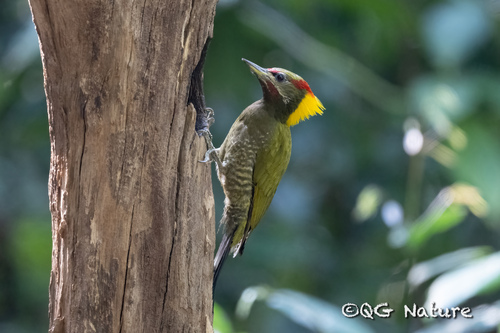 lesser yellownape
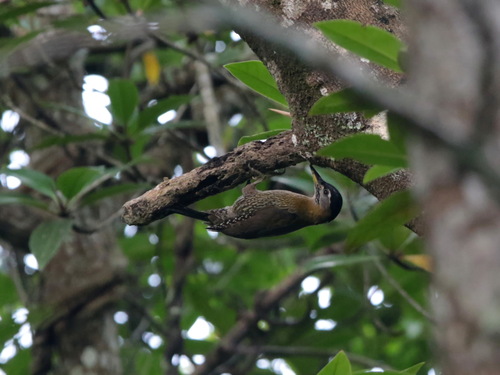 streak-breasted woodpecker
Em resumo
A marca de campo mais confiável para separar o lesser yellownape do streak-breasted woodpecker é a nuca amarela brilhante e tuftada do lesser yellownape, que está ausente no streak-breasted. O lesser yellownape também apresenta uma cabeça verde com marcas vermelhas distintas nos machos, enquanto o streak-breasted carece dessas cores faciais e, em vez disso, tem uma aparência verde uniforme com listras no peito. Ambas as espécies são woodpeckers de costas verdes e podem se sobrepor em alcance em partes do Sudeste Asiático, mas o habitat e os detalhes sutis da plumagem são fundamentais. Pássaros imaturos de ambas as espécies podem ser mais apagados, então procure primeiro pela cor da nuca e pelo padrão facial.
Dicas de identificação
- Tufo de nuca amarela (Lesser Yellownape): Procure por uma mancha de nuca amarela brilhante e peluda—esta é diagnóstica para o lesser yellownape de todas as idades e sexos. O streak-breasted nunca apresenta essa característica.
- Marcas vermelhas faciais (machos do Lesser Yellownape): Machos adultos têm vermelho acima do olho, acima da nuca e uma faixa vermelha na bigode. Fêmeas têm uma mancha vermelha menor acima das coberturas da orelha. O streak-breasted woodpecker não apresenta vermelho no rosto em ambos os sexos.
- Cor da cabeça: O lesser yellownape tem uma cabeça verde com uma garganta branca. O streak-breasted tem uma cabeça verde mais uniforme sem o contraste da garganta branca.
- Padrão do peito: O lesser yellownape apresenta uma barriga esbranquiçada finamente riscada com verde, enquanto o streak-breasted deve ter listras no peito (como seu nome sugere), embora detalhes precisos do padrão não sejam descritos nas fontes.
- Rabo e cauda: Ambos têm rabos e caudas acinzentados—esta não é uma marca de separação útil.
- Pássaros juvenis/imaturos: Jovens lesser yellownapes se assemelham a fêmeas mais apagadas, mas ainda mostram a nuca amarela. Nenhuma marca de asa ou voo imatura distintiva é descrita para ambas as espécies, então confie na nuca e no rosto.
- Bico e estrutura: Ambos têm bicos típicos de woodpecker e caudas rígidas; nenhuma diferença estrutural é notada que ajude em campo.
- Contexto do habitat: Em florestas de mangue ou florestas úmidas de planície na Península Malaia, considere o streak-breasted. Em florestas mais secas, colinas ou fora dessa faixa, o lesser yellownape é mais provável.
- Faixa geográfica: O lesser yellownape é amplamente distribuído da Índia ao Vietnã e Indonésia; o streak-breasted é mais local, principalmente na Península Malaia e áreas adjacentes.
- Diferenças sexuais: Apenas o lesser yellownape apresenta dimorfismo sexual claro nas marcas vermelhas faciais; o streak-breasted não.
- Variação de subespécies (Lesser Yellownape): Na Índia peninsular, o lesser yellownape pode ter uma cabeça mais cinza, mas a nuca amarela continua sendo uma marca chave.
- Visões empoleiradas vs. de voo: Ambos são melhor identificados quando empoleirados; nenhuma marca exclusiva de voo é descrita.
- Armadilha—partes superiores verdes: Ambos são de costas verdes, então não confie apenas na cor das costas.
- Armadilha—tamanho: Ambos são woodpeckers de tamanho médio; o tamanho não é uma marca de campo confiável.
- Voz: Nenhuma diferença vocal é descrita nas fontes; não confie em chamadas para separação.
Tamanho
Os dados diretos de tamanho são limitados, mas o streak-breasted woodpecker é registrado em cerca de 105 g [wikidata], enquanto o lesser yellownape é descrito como um woodpecker 'grande' com 27 cm de comprimento [wikipedia]. Em campo, ambos parecem de tamanho médio para woodpeckers do gênero Picus, sem diferença dramática em volume ou comprimento que seja diagnosticável à primeira vista.
Plumagem
Para todas as idades, o lesser yellownape se destaca por sua nuca amarela brilhante e tuftada, uma característica ausente no streak-breasted woodpecker. O macho adulto do lesser yellownape tem uma cabeça verde com uma garganta branca, vermelho acima do olho e da nuca, e faixas vermelhas na bigode; as fêmeas têm apenas uma mancha vermelha acima das coberturas da orelha. Jovens lesser yellownapes se assemelham a fêmeas, mas são mais apagados no geral. O streak-breasted woodpecker, por outro lado, não apresenta essas marcas faciais vermelhas ou nuca amarela, tendo em vez disso uma parte superior verde uniforme e um peito riscado (como seu nome sugere). Ambas as espécies têm partes superiores verdes e rabos/caudas acinzentados, mas as partes inferiores do lesser yellownape são esbranquiçadas com finas listras verdes, enquanto o streak-breasted deve mostrar mais listras no peito. Nenhum padrão específico de asa ou marcas de voo são descritas para ambas as espécies nas fontes, então as vistas empoleiradas são as mais confiáveis.
Comportamento
Ambas as espécies são woodpeckers típicos do gênero Picus em comportamento: eles escalam troncos, usam caudas rígidas para suporte e forrageiam batendo para insetos. Nenhuma diferença comportamental é descrita que separaria de forma confiável em campo.
Habitat
O lesser yellownape é um reprodutor amplamente distribuído e frequentemente comum em uma variedade de florestas tropicais e subtropicais asiáticas, especialmente no subcontinente indiano e no Sudeste Asiático, favorecendo habitats de selva e floresta. O streak-breasted woodpecker é mais restrito, encontrado do sudeste de Bangladesh até a Península Malaia central, e está associado a florestas úmidas de planície subtropicais ou tropicais e manguezais. Se você estiver em mangue ou floresta de planície na Península Malaia, o streak-breasted é mais provável; em florestas mais secas ou montanhosas, especialmente fora da Península Malaia, o lesser yellownape é o padrão.
lesser yellownape · streak-breasted woodpecker · Minhas aves difíceis