

papa-amoras-cinzento vs papa-amoras-comum
Curruca curruca versus Curruca communis
Jogue um quiz com papa-amoras-cinzento e papa-amoras-comum
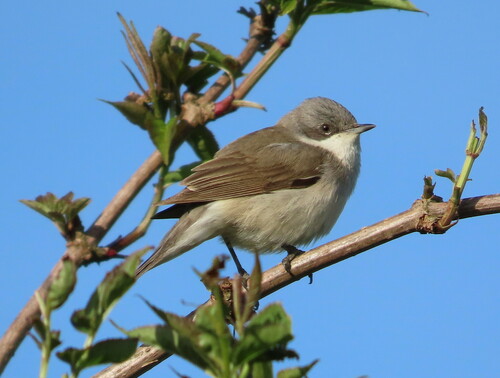 papa-amoras-cinzento
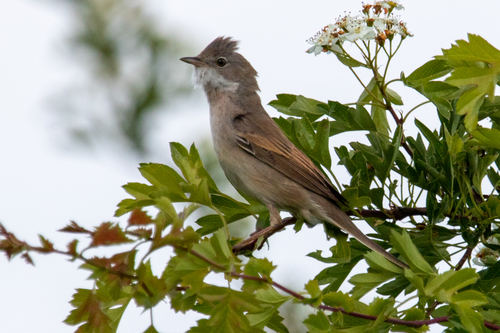 papa-amoras-comum
Em resumo
A marca de campo mais confiável entre o papa-amoras-cinzento e o papa-amoras-comum é a presença ou ausência de franjas castanhas nas penas das asas: o papa-amoras-comum apresenta castanho óbvio nas asas, enquanto o papa-amoras-cinzento não possui isso e, em vez disso, tem um forte contraste entre um lado da cabeça escura e uma garganta branca. O papa-amoras-cinzento é ligeiramente menor, com os sexos parecendo quase idênticos, enquanto os machos do papa-amoras-comum têm uma cabeça cinza distinta e garganta branca, e as fêmeas são mais marrons e opacas. Ambos são pequenos e ativos, mas a atenção cuidadosa ao padrão da cabeça e à cor das asas é fundamental, especialmente em vistas de aves empoleiradas ou próximas. Em voo ou à distância, o tamanho e a estrutura são menos úteis do que esses contrastes de plumagem.
Dicas de identificação
- Painel de asa castanho: Procure por franjas castanhas nas penas secundárias das asas—presentes em todas as idades e sexos do papa-amoras-comum, ausentes no papa-amoras-cinzento. Esta é a marca mais confiável em aves empoleiradas e às vezes visível em voo.
- Padrão da cabeça: O papa-amoras-cinzento mostra um forte contraste entre um lado da cabeça cinza escuro (com uma 'máscara de bandido' através do olho) e uma garganta branca. Os machos do papa-amoras-comum têm uma cabeça cinza, mas não possuem a máscara nítida, e as fêmeas são mais marrons e menos contrastantes.
- Dimorfismo sexual: Os sexos do papa-amoras-cinzento são quase idênticos, tornando o padrão da cabeça consistente entre idades e sexos. No papa-amoras-comum, os machos têm uma cabeça cinza e garganta branca, enquanto as fêmeas são mais marrons e opacas, com menos contraste.
- Cor das partes superiores: O papa-amoras-cinzento é geralmente mais cinza na parte superior, enquanto o papa-amoras-comum é mais marrom, especialmente nas costas e asas.
- Partes inferiores: Ambas as espécies têm partes inferiores esbranquiçadas ou cor de palha, mas o papa-amoras-cinzento tende a ser branco mais limpo, enquanto o papa-amoras-comum é mais cor de palha, especialmente em fêmeas e imaturos.
- Padrão de asas em voo: Se você vislumbrar a asa superior em voo, os painéis castanhos no papa-amoras-comum podem ser uma pista; as asas do papa-amoras-cinzento são mais cinza-marrons simples.
- Tamanho: O papa-amoras-comum é ligeiramente maior e mais pesado, mas isso é sutil e geralmente não é diagnóstico, a menos que as aves estejam lado a lado.
- Voz: O canto do papa-amoras-cinzento é um rápido tilintar ('tet' ou 'che'), enquanto o do papa-amoras-comum é arranhado e repreensivo. Os chamados também são distintos: o papa-amoras-comum emite notas roucas e nasais e um grito de aviso áspero.
- Habitat: A sobreposição é extensa; ambos usam habitats arbustivos e de borda. Não confie apenas no habitat para separação.
- Bico e estrutura: Nenhuma diferença forte é notada; ambos são pequenos e esguios com proporções semelhantes.
- Cauda: Nenhuma diferença diagnóstica na forma ou comprimento da cauda é descrita.
- Variação sazonal: O castanho nas asas do papa-amoras-comum está presente durante todo o ano, embora possa ser mais fresco e brilhante após a muda. O padrão da cabeça no papa-amoras-cinzento é consistente entre as estações e sexos.
- Armadilhas: A fêmea do papa-amoras-comum pode parecer opaca e menos contrastante, mas ainda mostra castanho nas asas. O imaturo do papa-amoras-comum pode ser especialmente confuso, mas retém o painel de asa castanho. O papa-amoras-cinzento nunca mostra castanho nas asas.
- Comparação direta: Quando ambas as espécies estão presentes, o papa-amoras-cinzento parece mais arrumado e mais nitidamente marcado na cabeça, enquanto o papa-amoras-comum é mais quente, mais marrom e mostra o painel de asa castanho.
- Quando em dúvida: Concentre-se no painel da asa e no padrão da cabeça; estas são as marcas de campo mais consistentes e confiáveis entre todas as idades e sexos.
Tamanho
O papa-amoras-comum é ligeiramente maior e mais pesado (massa corporal em torno de 14,5g [wikidata]), enquanto o papa-amoras-cinzento é marginalmente menor, embora a massa exata não seja fornecida. No campo, essa diferença de tamanho é sutil e raramente diagnóstica, exceto em comparação direta. Ambas as espécies são pequenas, esguias, com proporções semelhantes, então o tamanho sozinho não é um separador confiável.
Plumagem
- Aves Juvenis/Imaturas/Não-reprodutoras: Nenhum padrão específico de asa juvenil é descrito para ambas as espécies, mas a diferença mais importante para todas as idades é a presença de franjas castanhas nas penas secundárias das asas no papa-amoras-comum, que estão ausentes no papa-amoras-cinzento. Esta marca é visível em aves empoleiradas e às vezes em voo, especialmente em boa luz.
- Adultos: O papa-amoras-cinzento mostra um dorso cinza, partes inferiores brancas ou esbranquiçadas, uma cabeça cinza com uma 'máscara de bandido' mais escura através dos olhos, e uma garganta branca. O contraste do lado da cabeça é forte. Os machos do papa-amoras-comum têm uma cabeça cinza e garganta branca, mas o resto das partes superiores é mais marrom, e as asas têm franjas castanhas óbvias. As fêmeas são mais marrons no geral, não têm a cabeça cinza do macho, e têm uma garganta mais opaca, mas ainda mostram castanho nas asas. O papa-amoras-cinzento não possui o painel de asa castanho e tem uma cabeça e dorso cinza mais uniforme, com os sexos parecendo quase idênticos.
- Contraste chave: Castanho nas asas (presente apenas no papa-amoras-comum) e o forte contraste entre a cabeça escura e a garganta branca (mais pronunciado no papa-amoras-cinzento) são as melhores marcas de campo.
Comportamento
Ambas as espécies são ativas, frequentemente furtivas, que forrageiam em arbustos e árvores baixas. Seu comportamento geral é semelhante, com movimentos rápidos e frequentes movimentos de cauda. Nenhuma diferença comportamental diagnóstica é notada nas fontes.
Habitat
Ambas as espécies se reproduzem na Europa temperada e no Palearctico ocidental/central, e ambas invernam na África, Arábia e partes da Ásia. A sobreposição de habitat é extensa: ambas usam áreas arbustivas, cercas vivas e bordas de florestas. O papa-amoras-cinzento está ausente do sudoeste da Europa, mas isso não é uma marca de campo confiável dentro das faixas sobrepostas. O habitat não é um separador forte no campo.
Voz
O canto do papa-amoras-cinzento é um rápido tilintar composto por chamados 'tet' ou 'che', bem diferente do canto do papa-amoras-comum, que é rápido, arranhado e tem um tom de repreensão. O chamado do papa-amoras-comum é descrito como rouco e ligeiramente nasal ('wed-wed' ou 'woid-woid'), com um grito de aviso áspero e prolongado ('tschehr'). O canto e o chamado são úteis se ouvidos bem, pois são bastante distintos.
papa-amoras-cinzento · papa-amoras-comum · Minhas aves difíceis