
Bigiarella vs Sterpazzola
Curruca curruca contro Curruca communis
Fai un quiz con Bigiarella e Sterpazzola
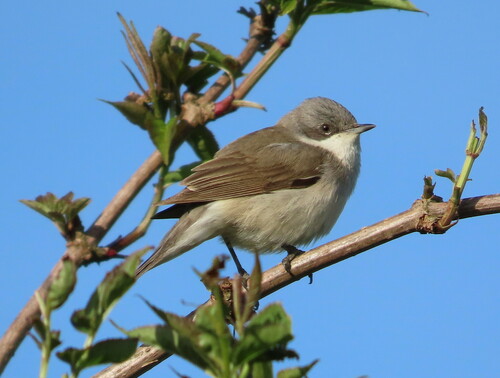 Bigiarella
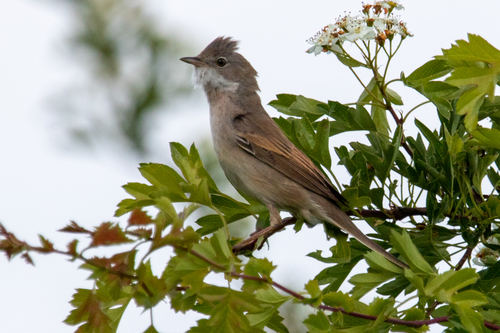 Sterpazzola
In breve
Il segno di campo più affidabile tra Bigiarella e Sterpazzola è la presenza o assenza di frange castanee sulle penne alari: Sterpazzola mostra evidenti frange castanee sulle ali, mentre Bigiarella ne è priva e ha invece un forte contrasto tra un lato della testa scuro e una gola bianca. Bigiarella è leggermente più piccola, con i sessi che sembrano quasi identici, mentre i maschi di Sterpazzola hanno una testa grigia distinta e una gola bianca, e le femmine sono più marroni e meno vivaci. Entrambi sono piccoli, attivi, ma prestare attenzione al motivo della testa e al colore delle ali è fondamentale, soprattutto in posizioni perpendicolari o da vicino. In volo o a distanza, la dimensione e la struttura sono meno utili di questi contrasti nel piumaggio.
Consigli di identificazione
- Pannello alare castano: Cerca frange castanee sulle penne alari secondarie—presenti in tutti gli stadi e sessi di Sterpazzola, assenti in Bigiarella. Questo è il segno più affidabile negli uccelli in posa e a volte visibile in volo.
- Motivo della testa: Bigiarella mostra un forte contrasto tra un lato della testa grigio scuro (con una 'maschera da bandito' attraverso l'occhio) e una gola bianca. I maschi di Sterpazzola hanno una testa grigia ma mancano della maschera netta, e le femmine sono più marroni e meno contrastanti.
- Dimorfismo sessuale: I sessi di Bigiarella sono quasi identici, rendendo il motivo della testa coerente tra età e sessi. Nei maschi di Sterpazzola, la testa è grigia e la gola è bianca, mentre le femmine sono più marroni e meno vivaci, con meno contrasto.
- Colore delle parti superiori: Bigiarella è generalmente più grigia sopra, mentre Sterpazzola è più marrone, specialmente sulla schiena e sulle ali.
- Parti inferiori: Entrambe le specie hanno parti inferiori bianche o color crema, ma Bigiarella tende ad essere bianca più pulita, mentre Sterpazzola è più color crema, specialmente nelle femmine e nei giovani.
- Motivo delle ali in volo: Se intravedi l'ala superiore in volo, i pannelli castanei in Sterpazzola possono essere un indizio; le ali di Bigiarella sono di un grigio-marrone più semplice.
- Dimensione: Sterpazzola è leggermente più grande e pesante, ma questa è sottile e di solito non è diagnostica a meno che gli uccelli non siano affiancati.
- Voce: Il canto di Bigiarella è un rapido ronzio ('tet' o 'che'), mentre quello di Sterpazzola è graffiante e rimproverante. Anche i richiami sono distintivi: Sterpazzola emette note rauche e nasali e un grido di avvertimento ruvido.
- Habitat: L'overlap è esteso; entrambe utilizzano habitat cespugliosi, ai margini. Non fare affidamento solo sull'habitat per la separazione.
- Becco e struttura: Non sono state notate forti differenze; entrambi sono warbler snelli e piccoli con proporzioni simili.
- Coda: Non sono state descritte differenze diagnostiche nella forma o lunghezza della coda.
- Variazione stagionale: Il castano nelle ali di Sterpazzola è presente tutto l'anno, anche se può essere più fresco e luminoso dopo la muta. Il motivo della testa in Bigiarella è coerente tra le stagioni e i sessi.
- Trappole: La femmina di Sterpazzola può apparire opaca e meno contrastante, ma mostra ancora castano nelle ali. La Bigiarella immatura può essere particolarmente confondente ma mantiene il pannello alare castano. Bigiarella non mostra mai castano nelle ali.
- Confronto diretto: Quando entrambe le specie sono presenti, Bigiarella appare più ordinata e più nettamente segnata sulla testa, mentre Sterpazzola è più calda, marrone e mostra il pannello alare castano.
- Quando hai dubbi: Concentrati sul pannello alare e sul motivo della testa; questi sono i segni di campo più coerenti e affidabili in tutte le età e sessi.
Taglia
Sterpazzola è leggermente più grande e pesante (massa corporea di circa 14.5g [wikidata]), mentre Bigiarella è marginalmente più piccola, anche se non è fornita una massa esatta. Sul campo, questa differenza di dimensione è sottile e raramente diagnostica, tranne che in un confronto diretto. Entrambe le specie sono warbler piccoli e snelli con proporzioni simili, quindi la dimensione da sola non è un separatore affidabile.
Piumaggio
- Uccelli giovanili/immaturi/non in riproduzione: Non è descritto alcun specifico motivo alare giovanile per entrambe le specie, ma la differenza più importante per tutte le età è la presenza di frange castanee sulle penne alari secondarie in Sterpazzola, che sono assenti in Bigiarella. Questo segno è visibile negli uccelli in posa e a volte in volo, specialmente in buona luce.
- Adulti: Bigiarella mostra una schiena grigia, parti inferiori bianche o biancastre, una testa grigia con una 'maschera da bandito' più scura attraverso gli occhi, e una gola bianca. Il contrasto del lato della testa è forte. I maschi di Sterpazzola hanno una testa grigia e una gola bianca, ma il resto delle parti superiori è più marrone, e le ali hanno evidenti frange castanee. Le femmine sono complessivamente più marroni, mancano della testa grigia del maschio e hanno una gola più opaca, ma mostrano ancora castano nelle ali. Bigiarella manca del pannello alare castano e ha una testa e schiena grigia più uniforme, con i sessi che sembrano quasi identici.
- Contrasto chiave: Il castano nelle ali (presente solo in Sterpazzola) e il forte contrasto testa scura/gola bianca (più pronunciato in Bigiarella) sono i migliori segni di campo.
Comportamento
Entrambe le specie sono warbler attivi, spesso furtivi, che si nutrono in cespugli e alberi bassi. Il loro comportamento generale è simile, con movimenti rapidi e frequenti scatti della coda. Non sono state notate differenze comportamentali diagnostiche nelle fonti.
Habitat
Entrambe le specie nidificano in Europa temperata e nel Palearctico occidentale/centrale, e entrambe svernano in Africa, Arabia e parti dell'Asia. L'overlap dell'habitat è esteso: entrambe utilizzano aree cespugliose, siepi e margini boschivi. Bigiarella è assente dal sud-ovest dell'Europa, ma questo non è un segno di campo affidabile all'interno delle aree sovrapposte. L'habitat non è un forte separatore sul campo.
Voce
Bigiarella ha un canto veloce e rattling composto da richiami 'tet' o 'che', molto diverso dal canto di Sterpazzola, che è veloce, graffiante e ha un tono rimproverante. Il richiamo di Sterpazzola è descritto come rauco e leggermente nasale ('wed-wed' o 'woid-woid'), con un grido di avvertimento ruvido e prolungato ('tschehr'). Il canto e il richiamo sono utili se ascoltati bene, poiché sono abbastanza distintivi.