

Curruca Zarcerilla vs Curruca Zarcera
Curruca curruca frente a Curruca communis
Juega un quiz con Curruca Zarcerilla y Curruca Zarcera
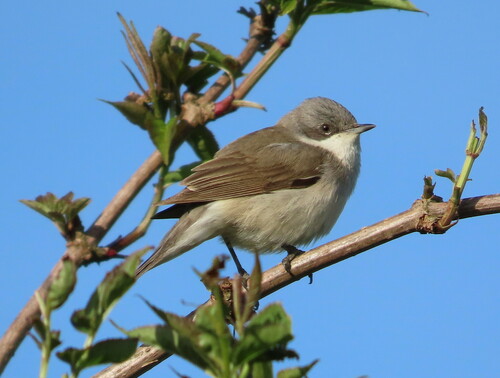 Curruca Zarcerilla
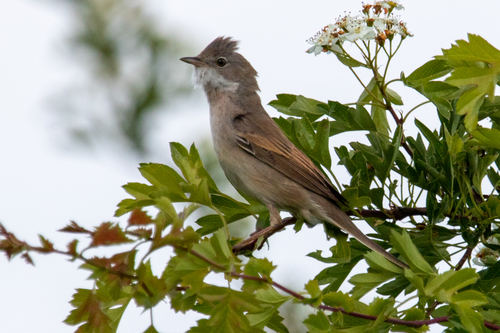 Curruca Zarcera
En breve
La marca de campo más confiable entre la Curruca Zarcerilla y la Curruca Zarcera es la presencia o ausencia de bordes castaños en las plumas de las alas: la Curruca Zarcera muestra un castaño obvio en las alas, mientras que la Curruca Zarcerilla carece de esto y en su lugar tiene un fuerte contraste entre un lado de cabeza oscuro y una garganta blanca. La Curruca Zarcerilla es ligeramente más pequeña, con los sexos que se ven casi idénticos, mientras que los machos de la Curruca Zarcera tienen una cabeza gris distintiva y una garganta blanca, y las hembras son más marrones y apagadas. Ambas son pequeñas y activas currucas, pero prestar atención cuidadosa al patrón de la cabeza y al color de las alas es clave, especialmente en vistas posadas o cercanas. En vuelo o a distancia, el tamaño y la estructura son menos útiles que estos contrastes de plumaje.
Consejos de identificación
- Panel de alas castaño: Busca bordes castaños en las plumas secundarias de las alas—presentes en todas las edades y sexos de la Curruca Zarcera, ausentes en la Curruca Zarcerilla. Esta es la marca más confiable en aves posadas y a veces visible en vuelo.
- Patrón de cabeza: La Curruca Zarcerilla muestra un fuerte contraste entre un lado de cabeza gris oscuro (con una 'máscara de bandido' a través del ojo) y una garganta blanca. Los machos de la Curruca Zarcera tienen una cabeza gris pero carecen de la máscara marcada, y las hembras son más marrones y menos contrastantes.
- Dimorfismo sexual: Los sexos de la Curruca Zarcerilla son casi idénticos, haciendo que el patrón de la cabeza sea consistente en todas las edades y sexos. En la Curruca Zarcera, los machos tienen una cabeza gris y una garganta blanca, mientras que las hembras son más marrones y apagadas, con menos contraste.
- Color de las partes superiores: La Curruca Zarcerilla es generalmente más gris en la parte superior, mientras que la Curruca Zarcera es más marrón, especialmente en la espalda y las alas.
- Partes inferiores: Ambas especies tienen partes inferiores blanquecinas o color crema, pero la Curruca Zarcerilla tiende a ser de un blanco más limpio, mientras que la Curruca Zarcera es más color crema, especialmente en hembras e inmaduros.
- Patrón de alas en vuelo: Si vislumbras la parte superior del ala en vuelo, los paneles castaños en la Curruca Zarcera pueden ser una pista; las alas de la Curruca Zarcerilla son de un gris-marrón más simple.
- Tamaño: La Curruca Zarcera es ligeramente más grande y pesada, pero esto es sutil y no suele ser diagnóstico a menos que las aves estén lado a lado.
- Voz: La canción de la Curruca Zarcerilla es un rápido traqueteo ('tet' o 'che'), mientras que la de la Curruca Zarcera es áspera y regañona. Los llamados también son distintos: la Curruca Zarcera emite notas ásperas y nasales y un grito de advertencia áspero.
- Hábitat: La superposición es extensa; ambas utilizan hábitats arbustivos y de borde. No confíes solo en el hábitat para la separación.
- Pico y estructura: No se notan diferencias fuertes; ambas son currucas delgadas y pequeñas con proporciones similares.
- Cola: No se describen diferencias diagnósticas en la forma o longitud de la cola.
- Variación estacional: El castaño en las alas de la Curruca Zarcera está presente durante todo el año, aunque puede ser más fresco y brillante después de la muda. El patrón de la cabeza en la Curruca Zarcerilla es consistente a través de las estaciones y sexos.
- Trampas: La hembra de la Curruca Zarcera puede parecer apagada y menos contrastante, pero aún muestra castaño en las alas. La Curruca Zarcera inmadura puede ser especialmente confusa pero retiene el panel de alas castaño. La Curruca Zarcerilla nunca muestra castaño en las alas.
- Comparación directa: Cuando ambas especies están presentes, la Curruca Zarcerilla parece más ordenada y más marcadamente marcada en la cabeza, mientras que la Curruca Zarcera es más cálida, marrón y muestra el panel de alas castaño.
- Cuando tengas dudas: Concéntrate en el panel de alas y el patrón de la cabeza; estas son las marcas de campo más consistentes y confiables en todas las edades y sexos.
Tamaño
La Curruca Zarcera es ligeramente más grande y pesada (masa corporal alrededor de 14.5g [wikidata]), mientras que la Curruca Zarcerilla es marginalmente más pequeña, aunque no se proporciona la masa exacta. En el campo, esta diferencia de tamaño es sutil y rara vez es diagnóstica, excepto en comparación directa. Ambas especies son currucas pequeñas y delgadas con proporciones similares, por lo que el tamaño solo no es un separador confiable.
Plumaje
- Aves juveniles/inmaduras/no reproductoras: No se describe un patrón específico de alas juveniles para ninguna de las especies, pero la diferencia más importante para todas las edades es la presencia de bordes castaños en las plumas secundarias de las alas en la Curruca Zarcera, que están ausentes en la Curruca Zarcerilla. Esta marca es visible en aves posadas y a veces en vuelo, especialmente con buena luz.
- Adultos: La Curruca Zarcerilla muestra una espalda gris, partes inferiores blancas o blanquecinas, una cabeza gris con una 'máscara de bandido' más oscura a través de los ojos, y una garganta blanca. El contraste del lado de la cabeza es fuerte. Los machos de la Curruca Zarcera tienen una cabeza gris y una garganta blanca, pero el resto de las partes superiores son más marrones, y las alas tienen bordes castaños obvios. Las hembras son más marrones en general, carecen de la cabeza gris del macho, y tienen una garganta más apagada, pero aún muestran castaño en las alas. La Curruca Zarcerilla carece del panel de alas castaño y tiene una cabeza y espalda gris más uniforme, con los sexos que se ven casi idénticos.
- Contraste clave: El castaño en las alas (presente solo en la Curruca Zarcera) y el fuerte contraste de cabeza oscura/garganta blanca (más pronunciado en la Curruca Zarcerilla) son las mejores marcas de campo.
Comportamiento
Ambas especies son currucas activas, a menudo esquivas, que forrajean en arbustos y árboles bajos. Su comportamiento general es similar, con movimientos rápidos y frecuentes movimientos de cola. No se notan diferencias de comportamiento diagnósticas en las fuentes.
Hábitat
Ambas especies crían en Europa templada y en el Paleártico occidental/central, y ambas invernan en África, Arabia y partes de Asia. La superposición de hábitat es extensa: ambas utilizan áreas arbustivas, setos y bordes de bosques. La Curruca Zarcerilla está ausente del suroeste de Europa, pero esta no es una marca de campo confiable dentro de los rangos superpuestos. El hábitat no es un separador fuerte en el campo.
Voz
La Curruca Zarcerilla tiene una canción rápida y traqueteante compuesta de llamados 'tet' o 'che', bastante diferente de la canción de la Curruca Zarcera, que es rápida, áspera y tiene un tono de regaño. El llamado de la Curruca Zarcera se describe como áspero y ligeramente nasal ('wed-wed' o 'woid-woid'), con un grito de advertencia áspero y prolongado ('tschehr'). La canción y el llamado son útiles si se escuchan bien, ya que son bastante distintos.