

marreca-de-java vs indian spot-billed duck
Dendrocygna javanica versus Anas poecilorhyncha
Jogue um quiz com marreca-de-java e indian spot-billed duck
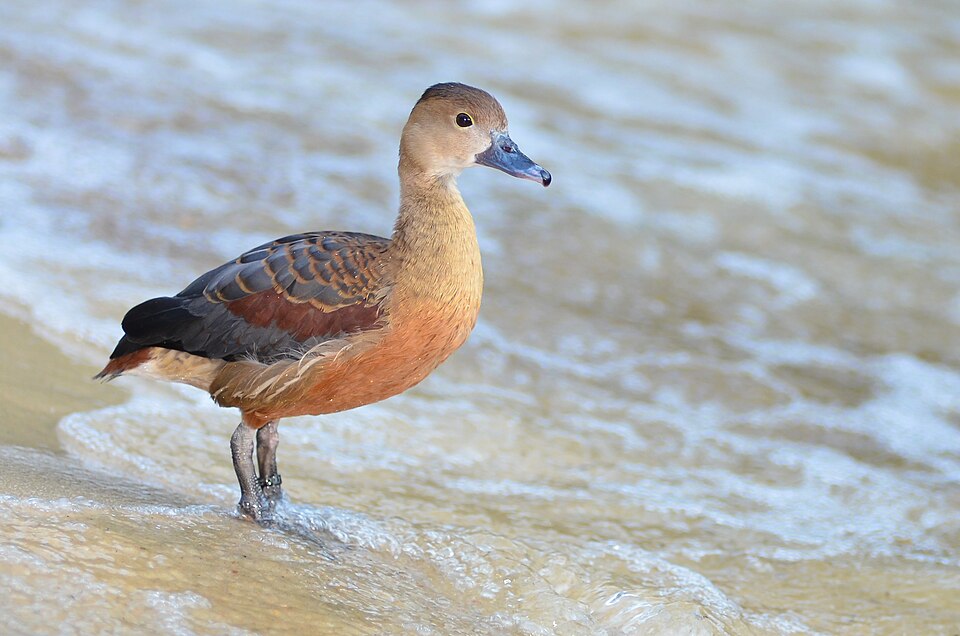 marreca-de-java
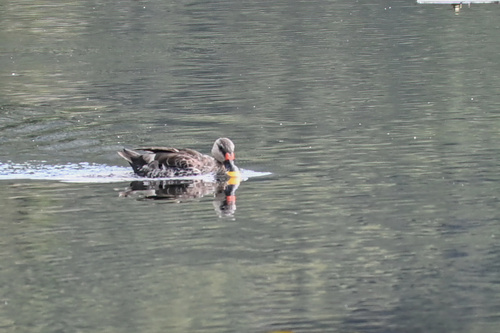 indian spot-billed duck
Em resumo
A marca de campo mais confiável para separar esses dois é o padrão das asas e da cauda em voo: a marreca-de-java apresenta uma asa superior marrom-castanho uniforme e coberturas superiores da cauda marrom-castanho, enquanto a indian spot-billed duck tem um especulum verde com uma faixa branca ousada na base e tertiais brancos formando uma faixa quando em repouso. A plumagem juvenil também é distinta: os filhotes de marreca-de-java são pretos com manchas brancas, enquanto os filhotes de indian spot-billed duck são pretos com costas amarelas e uma ampla faixa ocular. Estruturalmente, a marreca-de-java é menor, mais compacta e frequentemente pousa em árvores, enquanto a indian spot-billed duck é maior, com um pescoço mais longo e um padrão de bico distinto. Ambas são comuns em áreas úmidas da Índia, mas seu comportamento, estilo de voo e hábitos de agrupamento diferem notavelmente.
Dicas de identificação
- Em voo, verifique o padrão das asas: a marreca-de-java apresenta asas superiores marrom-castanho uniforme e coberturas superiores da cauda marrom-castanho (todas as idades). A indian spot-billed duck tem um especulum verde com uma faixa branca ousada na base e tertiais brancos; isso é visível tanto em adultos quanto em juvenis.
- Filhotes juvenis: os filhotes de marreca-de-java são pretos com manchas brancas; os filhotes de indian spot-billed duck são pretos com costas amarelas e uma ampla faixa ocular.
- Padrão do bico: a indian spot-billed duck tem um bico preto com a ponta amarela brilhante, com manchas laranja-avermelhadas na base (machos). A marreca-de-java tem um bico escuro simples sem manchas ou cor na base.
- Anel ocular: a marreca-de-java tem um anel ocular laranja a amarelo proeminente, ausente na indian spot-billed duck.
- Cor da coroa: a marreca-de-java tem uma coroa escura que contrasta com o rosto; a indian spot-billed duck tem uma cabeça e pescoço mais claros, misturando-se com o corpo.
- Cor das pernas e pés: a indian spot-billed duck tem pernas e pés laranja brilhante a vermelho coral, especialmente óbvios quando pousados ou caminhando; a marreca-de-java não tem.
- Cauda e coberturas superiores da cauda: a marreca-de-java tem coberturas superiores da cauda marrom-castanho; a indian spot-billed duck não tem (as coberturas superiores da cauda não são brancas cremosas como na marreca-caneleira, mas também não são marrom-castanho).
- Jizz e postura: a marreca-de-java é compacta, de pescoço curto, frequentemente ereta, e pode pousar em árvores. A indian spot-billed duck é maior, de pescoço mais longo, e raramente pousa.
- Agrupamento: as marrecas-de-java geralmente estão em grandes bandos apertados; as indian spot-billed ducks estão em pares ou pequenos grupos.
- Estilo de voo: as marrecas-de-java voam lentamente com batidas rápidas das asas, frequentemente circulando e chamando. As indian spot-billed ducks decolam quase verticalmente e voam de forma mais direta.
- Voz: a marreca-de-java emite um chamado de apito alto e repetitivo, especialmente em voo. A indian spot-billed duck soa como um pato-real e não apita.
- Contexto do habitat: ambas usam áreas úmidas, mas as marrecas-de-java são mais propensas a estar em grandes bandos em águas abertas ou pousadas em árvores; as indian spot-billed ducks preferem bordas vegetadas e são menos gregárias.
- Diferenças sexuais: apenas os machos da indian spot-billed duck mostram uma mancha vermelha proeminente na base do bico; ambos os sexos da marreca-de-java se parecem.
- Plumagem sazonal: os machos da indian spot-billed duck não têm plumagem de eclipse, então a cor do bico e das pernas é confiável durante todo o ano. A plumagem da marreca-de-java não é fortemente sazonal.
- Tamanho à distância: as indian spot-billed ducks são muito maiores e mais robustas do que as marrecas-de-java, especialmente quando vistas lado a lado.
Tamanho
A indian spot-billed duck é significativamente maior e mais pesada (massa média do adulto ~1195 g) do que a marreca-de-java (~525 g). As indian spot-billed ducks são aproximadamente do tamanho de um pato-real, com um pescoço visivelmente mais longo e um corpo mais robusto. Em bandos mistos ou à distância, a marreca-de-java parecerá mais compacta e de pescoço curto, frequentemente em grupos apertados, enquanto as indian spot-billed ducks são mais alongadas e frequentemente vistas em pares ou pequenos grupos.
Plumagem
- Juvenis: os filhotes de marreca-de-java são pretos com uma sobrancelha branca e manchas brancas na parte de trás da cabeça, asa, parte inferior das costas e rabo. Os filhotes de indian spot-billed duck são pretos com costas amarelas e uma ampla faixa ocular, mais semelhantes aos filhotes de pato-real, mas com uma faixa mais larga.
- Adultos em voo: a marreca-de-java apresenta asas superiores marrom-castanho uniforme e coberturas superiores da cauda marrom-castanho (não brancas cremosas). A indian spot-billed duck apresenta um especulum verde bordado por uma ampla faixa branca na base, com tertiais brancos formando uma faixa na lateral quando pousada ou nadando.
- Em repouso: a marreca-de-java é overall marrom-castanho com um anel ocular laranja a amarelo e uma coroa escura. A indian spot-billed duck é principalmente cinza com um padrão escamoso, cabeça e pescoço mais claros, e um bico preto com a ponta amarela e manchas laranja-avermelhadas na base (nos machos). As pernas e pés são laranja brilhante a vermelho coral na indian spot-billed duck, não na marreca-de-java.
- Sexos: ambas as espécies têm plumagem semelhante entre os sexos, mas a mancha vermelha na base do bico é mais proeminente nos machos da indian spot-billed duck.
Comportamento
As marrecas-de-java são altamente gregárias, frequentemente vistas em grandes bandos, especialmente durante o dia, quando descansam juntas na água ou até mesmo em árvores. Elas são alimentadoras noturnas e podem pousar em galhos ou nidificar em ocos de árvores. Seu voo é lento, com batidas rápidas das asas, e frequentemente circulam acima enquanto chamam. As indian spot-billed ducks são menos gregárias, geralmente vistas em pares ou pequenos grupos, e raramente pousam em árvores. Elas se alimentam principalmente por dabbling, frequentemente à noite ou ao entardecer, e podem decolar quase verticalmente da água quando perturbadas. Durante a muda, podem mergulhar para escapar de predadores.
Habitat
Ambas as espécies são amplamente distribuídas em áreas úmidas de água doce em todo o subcontinente indiano. As marrecas-de-java preferem lagos, pântanos, campos de arroz alagados e, às vezes, áreas costeiras, frequentemente descansando em margens ou até mesmo no mar aberto. Elas são mais propensas a serem vistas em grandes bandos em áreas úmidas urbanas. As indian spot-billed ducks também são encontradas em lagos e pântanos de água doce, mas tendem a evitar águas muito abertas e são mais frequentemente vistas em pares ou pequenos grupos, nidificando no chão perto da água ou ocasionalmente em árvores baixas cobertas por trepadeiras.
Voz
A marreca-de-java emite um chamado de apito muito proeminente e repetitivo, especialmente em voo ou quando circulando acima. Seu chamado é distinto e frequentemente descrito como um apito de duas notas. A indian spot-billed duck tem um chamado semelhante ao pato-real, não um som de apito, e é menos provável de ser ouvida em voo.
marreca-de-java · indian spot-billed duck · Minhas aves difíceis