

Motmot

リュウキュウガモ 対 アカボシカルガモ

Dendrocygna javanica 対 Anas poecilorhyncha

リュウキュウガモとアカボシカルガモのクイズ
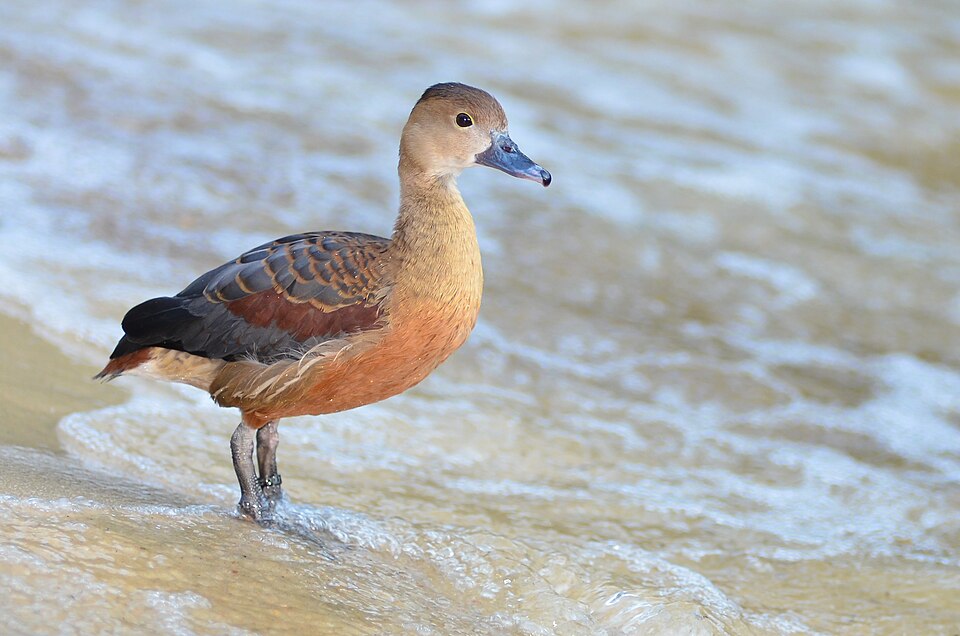
リュウキュウガモ (Dendrocygna javanica) リュウキュウガモ
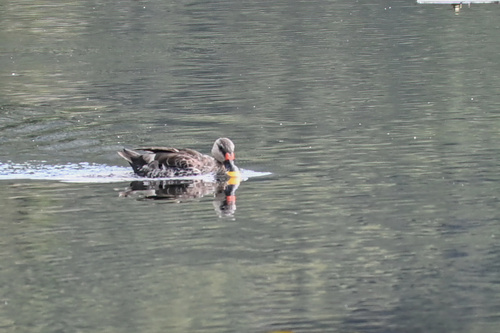
アカボシカルガモ (Anas poecilorhyncha) アカボシカルガモ

メディア

読み込み中…

要点

これら二種を区別する最も信頼できるフィールドマークは、飛行中の翼と尾のパターンです:リュウキュウガモは均一な栗色の上翼と栗色の上尾羽を示し、アカボシカルガモは基部に太い白い帯のある緑のスペキュラムと、休息時にストライプを形成する白い三次羽を持っています。幼鳥の羽色も異なります:リュウキュウガモの雛は白い斑点のある黒色で、アカボシカルガモの雛は黒色で黄色い背中と広い目のストライプを持っています。構造的には、リュウキュウガモは小さく、よりコンパクトで、しばしば木に止まりますが、アカボシカルガモは大きく、首が長く、特徴的なくちばしのパターンを持っています。両者はインドの湿地で一般的ですが、行動、飛行スタイル、群れの習性は顕著に異なります。

識別のコツ

  1. 飛行中、翼のパターンを確認する: リュウキュウガモは均一な栗色の上翼と栗色の上尾羽を示します(すべての年齢)。アカボシカルガモは基部に太い白い帯のある緑のスペキュラムと白い三次羽を持ち、これは成鳥と幼鳥の両方で確認できます。
  2. 幼鳥の雛: リュウキュウガモの雛は白い斑点のある黒色で、アカボシカルガモの雛は黒色で黄色い背中と広い目のストライプを持っています。
  3. くちばしのパターン: アカボシカルガモは明るい黄色の先端を持つ黒いくちばしを持ち、基部にはオレンジ色の斑点があります(オス)。リュウキュウガモは斑点や色のない普通の黒いくちばしを持っています。
  4. アイリング: リュウキュウガモは目の周りに目立つオレンジから黄色のアイリングを持ち、アカボシカルガモにはありません。
  5. 冠の色: リュウキュウガモは顔と対照的な暗い冠を持ち、アカボシカルガモは体と調和した淡い頭と首を持っています。
  6. 脚と足の色: アカボシカルガモは明るいオレンジからコーラルレッドの脚と足を持ち、特に止まっている時や歩いている時に目立ちますが、リュウキュウガモはそうではありません。
  7. 尾と上尾羽: リュウキュウガモは栗色の上尾羽を持ち、アカボシカルガモは持っていません(上尾羽はアカリュウキュウガモのようにクリーミーな白ではなく、栗色でもありません)。
  8. 体型と姿勢: リュウキュウガモはコンパクトで短い首を持ち、しばしば直立しており、木に止まることがあります。アカボシカルガモは大きく、首が長く、めったに止まりません。
  9. 群れ: リュウキュウガモは通常、大きくて密な群れで見られ、アカボシカルガモはペアまたは小さなグループで見られます。
  10. 飛行スタイル: リュウキュウガモは速い羽ばたきでゆっくり飛び、しばしば旋回しながら鳴きます。アカボシカルガモはほぼ垂直に離陸し、より直接的に飛びます。
  11. 声: リュウキュウガモは特に飛行中に大きく繰り返しのホイッスル音を出します。アカボシカルガモはマガモのような声で、ホイッスル音は出しません。
  12. 生息地の文脈: 両者は湿地を利用しますが、リュウキュウガモは開水面や木に止まっている大きな群れで見られることが多いです。アカボシカルガモは植生のある縁を好み、群れを作ることは少ないです。
  13. 性差: オスのアカボシカルガモのみがくちばしの基部に目立つ赤い斑点を示し、リュウキュウガモの両性は似ています。
  14. 季節的な羽色: アカボシカルガモのオスはエクリプス羽色を持たず、くちばしと脚の色は年間を通じて信頼できます。リュウキュウガモの羽色は強く季節的ではありません。
  15. 距離でのサイズ: アカボシカルガモはリュウキュウガモよりもはるかに大きく、ずんぐりした体型です、特に並んで見たときに顕著です。

大きさ

アカボシカルガモはリュウキュウガモよりもかなり大きく、重いです(平均成体の質量約1195g)対してリュウキュウガモは約525gです。アカボシカルガモはマガモと同じくらいの大きさで、明らかに長い首とずんぐりした体を持っています。混合群れや距離で見ると、リュウキュウガモはよりコンパクトで短い首に見え、しばしば密集したグループで見られますが、アカボシカルガモはより細長く、ペアまたは小さなグループで見られることが多いです。

羽色

行動

リュウキュウガモは非常に群れを成す傾向があり、特に昼間に水上や木に一緒に休む姿がよく見られます。彼らは夜行性の餌を探し、枝に止まったり木の空洞に巣を作ったりすることがあります。彼らの飛行は遅く、速い羽ばたきで、しばしば上空を旋回しながら鳴きます。アカボシカルガモは群れを成すことが少なく、通常はペアまたは小さなグループで見られ、木に止まることはめったにありません。彼らは主に水面での採餌を行い、特に夕方や夜に行動し、驚かされるとほぼ垂直に水面から離陸します。換羽中は捕食者から逃れるために潜ることがあります。

生息環境

両種はインド亜大陸の淡水湿地に広く分布しています。リュウキュウガモは湖、湿地、湿った水田、時には沿岸地域を好み、しばしば岸や開けた海に休んでいます。彼らは都市の湿地で大きな群れで見られることが多いです。アカボシカルガモも淡水湖や湿地に見られますが、非常に開けた水を避ける傾向があり、よりペアまたは小さなグループで見られ、水の近くの地面に巣を作ったり、時にはつる植物に覆われた低木に巣を作ったりします。

声

リュウキュウガモは非常に目立つ、繰り返しの喘ぎ声のホイッスル音を出し、特に飛行中や上空を旋回している時に聞かれます。彼らの声は特徴的で、しばしば二音のホイッスルと表現されます。アカボシカルガモはマガモに似た声を持ち、ホイッスル音は出さず、飛行中に聞かれることは少ないです。

より良い説明を送る

比較と同じ項目を使ってください。文章はすぐに公開されます。

The most reliable field mark to separate these two is the wing and tail pattern in flight: Lesser Whistling-Duck shows a uniform chestnut-brown upperwing and chestnut upper-tail coverts, while Indian Spot-billed Duck has a green speculum with a bold white band at the base and white tertials forming a stripe at rest. Juvenile plumage is also distinct: Lesser Whistling-Duck chicks are black with white patches, while Indian Spot-billed Duck chicks are black with a yellow back and a broad eyestripe. Structurally, the whistling-duck is smaller, more compact, and often perches in trees, while the spot-billed duck is larger, with a longer neck and a distinctive bill pattern. Both are common in Indian wetlands, but their behavior, flight style, and flocking habits differ noticeably.

  1. In flight, check the wing pattern: Lesser Whistling-Duck shows uniform chestnut-brown upperwings and chestnut upper-tail coverts (all ages). Indian Spot-billed Duck has a green speculum with a bold white band at the base and white tertials; this is visible in both adults and juveniles.
  2. Juvenile downy chicks: Whistling-duck chicks are black with white patches; spot-billed duck chicks are black with a yellow back and a broad eyestripe.
  3. Bill pattern: Spot-billed Duck has a black bill tipped bright yellow, with orange-red spots at the base (males). Lesser Whistling-Duck has a plain dark bill without spots or color at the base.
  4. Eye-ring: Lesser Whistling-Duck has a prominent orange to yellow eye-ring, lacking in spot-billed duck.
  5. Crown color: Whistling-duck has a dark crown contrasting with the face; spot-billed duck has a paler head and neck, blending with the body.
  6. Leg and foot color: Spot-billed Duck has bright orange to coral red legs and feet, especially obvious when perched or walking; whistling-duck does not.
  7. Tail and upper-tail coverts: Lesser Whistling-Duck has chestnut upper-tail coverts; spot-billed duck does not (upper-tail coverts are not creamy white as in Fulvous Whistling-Duck, but not chestnut either).
  8. Jizz and posture: Whistling-duck is compact, short-necked, often upright, and may perch in trees. Spot-billed duck is larger, longer-necked, and rarely perches.
  9. Flocking: Whistling-ducks are usually in large, tight flocks; spot-billed ducks are in pairs or small groups.
  10. Flight style: Whistling-ducks fly slowly with rapid wingbeats, often circling and calling. Spot-billed ducks take off nearly vertically and fly more directly.
  11. Voice: Whistling-duck gives a loud, repetitive whistling call, especially in flight. Spot-billed duck sounds like a Mallard and does not whistle.
  12. Habitat context: Both use wetlands, but whistling-ducks are more likely in large flocks on open water or perched in trees; spot-billed ducks favor vegetated edges and are less gregarious.
  13. Sex differences: Only male spot-billed ducks show a prominent red spot at the bill base; both sexes of whistling-duck look alike.
  14. Seasonal plumage: Spot-billed duck males do not have an eclipse plumage, so bill and leg color are reliable year-round. Whistling-duck plumage is not strongly seasonal.
  15. Size at a distance: Spot-billed ducks are much larger and bulkier than whistling-ducks, especially when seen side by side.

Indian Spot-billed Duck is significantly larger and heavier (average adult mass ~1195 g) than Lesser Whistling-Duck (~525 g). Spot-billed Ducks are about the size of a Mallard, with a noticeably longer neck and a bulkier body. In mixed flocks or at a distance, the whistling-duck will appear more compact and short-necked, often in tight groups, while spot-billed ducks are more elongated and often seen in pairs or small groups.

  • Juveniles: Lesser Whistling-Duck chicks are black with a white eyebrow and white patches on the back of the head, wing, lower back, and rump. Indian Spot-billed Duck chicks are black with a yellow back and a broad eyestripe, more similar to Mallard ducklings but with a wider stripe.
  • Adults in flight: Lesser Whistling-Duck shows uniform chestnut-brown upperwings and chestnut upper-tail coverts (not creamy white). Indian Spot-billed Duck shows a green speculum bordered by a broad white band at the base, with white tertials forming a stripe on the side when perched or swimming.
  • At rest: Lesser Whistling-Duck is overall chestnut-brown with an orange to yellow eye-ring and a dark crown. Indian Spot-billed Duck is mainly grey with a scaly pattern, paler head and neck, and a black bill tipped yellow with orange-red spots at the base (in males). Legs and feet are bright orange to coral red in the spot-billed duck, not so in the whistling-duck.
  • Sexes: Both species have similar plumage between sexes, but the red spot at the base of the bill is more prominent in male spot-billed ducks.

Lesser Whistling-Ducks are highly gregarious, often seen in large flocks, especially during the day when they rest together on water or even in trees. They are nocturnal feeders and may perch on branches or nest in tree hollows. Their flight is slow with rapid wingbeats, and they often circle overhead while calling. Indian Spot-billed Ducks are less gregarious, usually seen in pairs or small groups, and rarely perch in trees. They feed mainly by dabbling, often in the evening or at night, and can take off nearly vertically from water when disturbed. In molt, they may dive to escape predators.

Both species are widespread in freshwater wetlands across the Indian subcontinent. Lesser Whistling-Ducks favor lakes, marshes, wet paddy fields, and sometimes coastal areas, often resting on banks or even the open sea. They are more likely to be seen in large flocks in urban wetlands. Indian Spot-billed Ducks are also found in freshwater lakes and marshes, but tend to avoid very open water and are more often seen in pairs or small groups, nesting on the ground near water or occasionally in low trees covered by creepers.

Lesser Whistling-Duck gives a very prominent, repetitive wheezy whistling call, especially in flight or when circling overhead. Their call is distinctive and often described as a two-note whistle. Indian Spot-billed Duck has a call similar to the Mallard, not a whistling sound, and is less likely to be heard in flight.

変更を破棄しますか?

保存していない編集があります。今離れると失われます。

リュウキュウガモ · アカボシカルガモ · 苦手な鳥