

Lesser Whistling-Duck vs Indian Spot-billed Duck
Dendrocygna javanica contro Anas poecilorhyncha
Fai un quiz con Lesser Whistling-Duck e Indian Spot-billed Duck
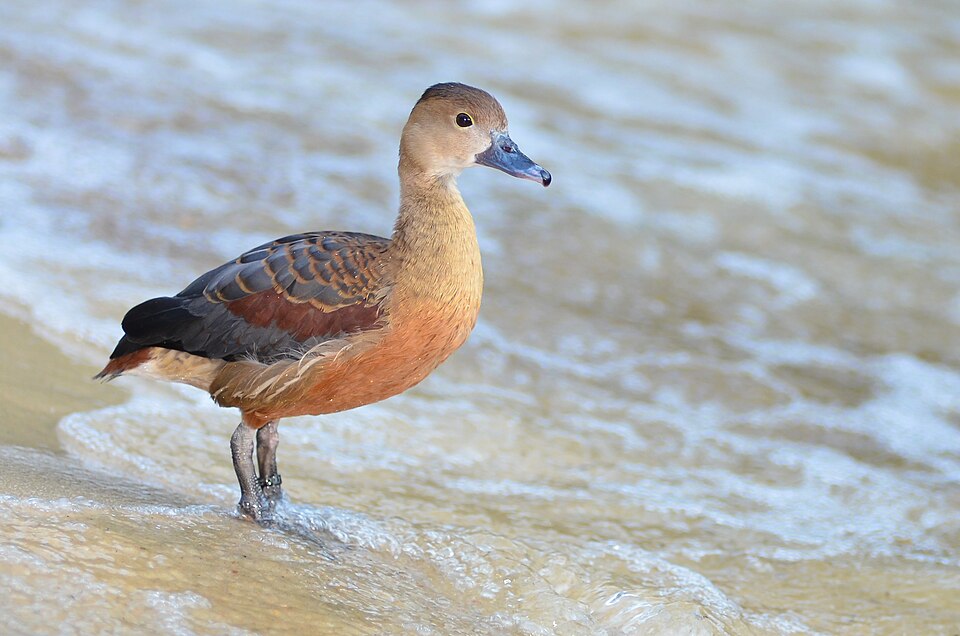 Lesser Whistling-Duck
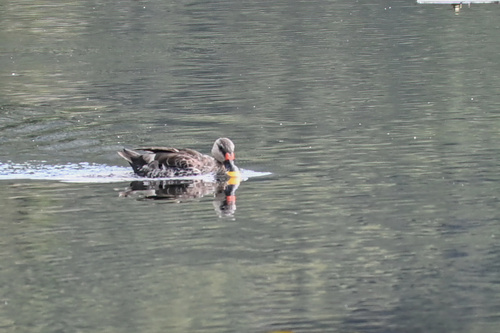 Indian Spot-billed Duck
In breve
Il segno distintivo più affidabile per separare questi due è il modello di ali e coda in volo: il Lesser Whistling-Duck mostra un'ala superiore uniforme di marrone castano e copritrici superiori di coda castano, mentre l'Indian Spot-billed Duck ha uno speculum verde con una banda bianca audace alla base e terziali bianchi che formano una striscia a riposo. Il piumaggio giovanile è anche distinto: i pulcini di Lesser Whistling-Duck sono neri con macchie bianche, mentre i pulcini di Indian Spot-billed Duck sono neri con un dorso giallo e una larga striscia sopra l'occhio. Strutturalmente, il whistling-duck è più piccolo, più compatto e spesso si posa sugli alberi, mentre il duck con becco a macchie è più grande, con un collo più lungo e un modello di becco distintivo. Entrambi sono comuni nelle zone umide indiane, ma il loro comportamento, stile di volo e abitudini di branco differiscono notevolmente.
Consigli di identificazione
- In volo, controlla il modello delle ali: il Lesser Whistling-Duck mostra ali superiori uniformi di marrone castano e copritrici superiori di coda castano (tutte le età). L'Indian Spot-billed Duck ha uno speculum verde con una banda bianca audace alla base e terziali bianchi; questo è visibile sia negli adulti che nei giovanili.
- Pulcini giovanili: i pulcini di whistling-duck sono neri con macchie bianche; i pulcini di spot-billed duck sono neri con un dorso giallo e una larga striscia sopra l'occhio.
- Modello del becco: l'Indian Spot-billed Duck ha un becco nero con la punta gialla brillante, con macchie rosso-arancio alla base (maschi). Il Lesser Whistling-Duck ha un becco scuro semplice senza macchie o colore alla base.
- Anello oculare: il Lesser Whistling-Duck ha un anello oculare prominente di colore arancione a giallo, assente nello spot-billed duck.
- Colore della corona: il whistling-duck ha una corona scura che contrasta con il viso; il spot-billed duck ha una testa e un collo più chiari, che si fondono con il corpo.
- Colore delle gambe e dei piedi: l'Indian Spot-billed Duck ha gambe e piedi di un arancione brillante a rosso corallo, particolarmente evidenti quando è posato o cammina; il whistling-duck no.
- Coda e copritrici superiori di coda: il Lesser Whistling-Duck ha copritrici superiori di coda castano; il spot-billed duck no (le copritrici superiori non sono bianche crema come nel Dendrocigna fulva, ma neanche castano).
- Jizz e postura: il whistling-duck è compatto, con collo corto, spesso eretto e può posarsi sugli alberi. Il spot-billed duck è più grande, con collo lungo e raramente si posa.
- Flocking: i whistling-ducks sono solitamente in grandi gruppi compatti; i spot-billed ducks sono in coppie o piccoli gruppi.
- Stile di volo: i whistling-ducks volano lentamente con battiti d'ali rapidi, spesso circolando e chiamando. I spot-billed ducks decollano quasi verticalmente e volano in modo più diretto.
- Voce: il whistling-duck emette un forte richiamo fischiante ripetitivo, specialmente in volo. Il spot-billed duck suona come un Germano reale e non fischia.
- Contesto dell'habitat: entrambi usano le zone umide, ma i whistling-ducks sono più propensi a trovarsi in grandi gruppi su acque aperte o posati sugli alberi; i spot-billed ducks preferiscono i bordi vegetati e sono meno gregari.
- Differenze sessuali: solo i maschi di spot-billed ducks mostrano una macchia rossa prominente alla base del becco; entrambi i sessi di whistling-duck si somigliano.
- Piumaggio stagionale: i maschi di spot-billed duck non hanno un piumaggio di eclissi, quindi il colore del becco e delle gambe è affidabile tutto l'anno. Il piumaggio del whistling-duck non è fortemente stagionale.
- Dimensioni a distanza: i spot-billed ducks sono molto più grandi e robusti dei whistling-ducks, specialmente quando visti fianco a fianco.
Taglia
L'Indian Spot-billed Duck è significativamente più grande e pesante (massa media dell'adulto ~1195 g) rispetto al Lesser Whistling-Duck (~525 g). I spot-billed ducks sono circa delle dimensioni di un Germano reale, con un collo visibilmente più lungo e un corpo più robusto. In gruppi misti o a distanza, il whistling-duck apparirà più compatto e con collo corto, spesso in gruppi stretti, mentre i spot-billed ducks sono più allungati e spesso visti in coppie o piccoli gruppi.
Piumaggio
- Giovanili: i pulcini di Lesser Whistling-Duck sono neri con un sopracciglio bianco e macchie bianche sulla parte posteriore della testa, dell'ala, della parte bassa della schiena e del dorso. I pulcini di Indian Spot-billed Duck sono neri con un dorso giallo e una larga striscia sopra l'occhio, più simili ai pulcini di Germano reale ma con una striscia più ampia.
- Adulti in volo: il Lesser Whistling-Duck mostra ali superiori uniformi di marrone castano e copritrici superiori di coda castano (non bianche crema). L'Indian Spot-billed Duck mostra uno speculum verde bordato da una larga banda bianca alla base, con terziali bianchi che formano una striscia sul lato quando è posato o nuota.
- A riposo: il Lesser Whistling-Duck è complessivamente castano con un anello oculare arancione a giallo e una corona scura. L'Indian Spot-billed Duck è principalmente grigio con un motivo squamoso, testa e collo più chiari, e un becco nero con la punta gialla e macchie rosso-arancio alla base (nei maschi). Gambe e piedi sono di un arancione brillante a rosso corallo nel spot-billed duck, non così nel whistling-duck.
- Sessi: entrambe le specie hanno un piumaggio simile tra i sessi, ma la macchia rossa alla base del becco è più prominente nei maschi di spot-billed ducks.
Comportamento
I Lesser Whistling-Ducks sono altamente gregari, spesso visti in grandi gruppi, specialmente durante il giorno quando riposano insieme sull'acqua o anche sugli alberi. Sono alimentatori notturni e possono posarsi sui rami o nidificare in cavità degli alberi. Il loro volo è lento con battiti d'ali rapidi, e spesso circolano sopra mentre chiamano. Gli Indian Spot-billed Ducks sono meno gregari, solitamente visti in coppie o piccoli gruppi, e raramente si posano sugli alberi. Si nutrono principalmente a dabbling, spesso la sera o di notte, e possono decollare quasi verticalmente dall'acqua quando disturbati. Durante la muta, possono tuffarsi per sfuggire ai predatori.
Habitat
Entrambe le specie sono diffuse nelle zone umide di acqua dolce in tutto il subcontinente indiano. I Lesser Whistling-Ducks preferiscono laghi, paludi, campi di riso umidi e a volte aree costiere, spesso riposando sulle rive o anche in mare aperto. È più probabile vederli in grandi gruppi nelle zone umide urbane. Gli Indian Spot-billed Ducks si trovano anche in laghi e paludi di acqua dolce, ma tendono ad evitare acque molto aperte e sono più spesso visti in coppie o piccoli gruppi, nidificando a terra vicino all'acqua o occasionalmente in alberi bassi coperti da rampicanti.
Voce
Il Lesser Whistling-Duck emette un richiamo fischiante molto prominente e ripetitivo, specialmente in volo o quando circola sopra. Il loro richiamo è distintivo e spesso descritto come un fischio a due note. L'Indian Spot-billed Duck ha un richiamo simile a quello del Germano reale, non un suono fischiante, ed è meno probabile che venga udito in volo.
Lesser Whistling-Duck · Indian Spot-billed Duck · I miei uccelli difficili