

mergulhão-pequeno vs mergulhão-caçador
Tachybaptus dominicus versus Podilymbus podiceps
Jogue um quiz com mergulhão-pequeno e mergulhão-caçador
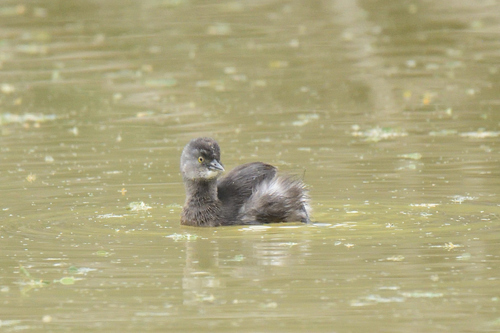 mergulhão-pequeno
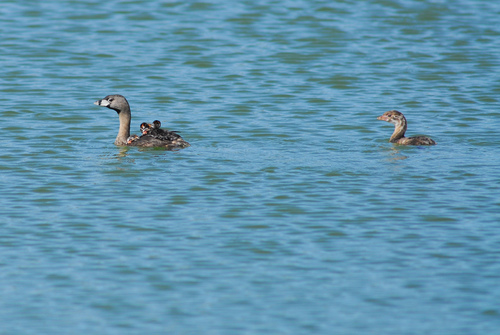 mergulhão-caçador
Em resumo
A marca de campo mais confiável para separar o mergulhão-pequeno do mergulhão-caçador é a presença de uma mancha branca ousada na asa em voo no mergulhão-pequeno de todas as idades, que o mergulhão-caçador não possui. Em aves empoleiradas ou nadando, o mergulhão-pequeno é muito menor e mais esbelto, com um bico fino e pontudo e olhos amarelos brilhantes, enquanto o mergulhão-caçador é visivelmente mais robusto, tem um bico grosso e rombudo (com uma faixa preta na época de reprodução) e uma parte inferior branca. Os juvenis de mergulhão-caçador são listrados, ao contrário dos jovens mergulhões-pequenos, que são mais simples e mais claros. Ambas as espécies são em geral marrons, mas o mergulhão-pequeno sempre carece de qualquer castanho no pescoço e é mais escuro no geral. As diferenças na forma e tamanho do bico são especialmente úteis à distância ou em luz fraca.
Dicas de identificação
- Mancha branca na asa em voo: Apenas o mergulhão-pequeno mostra uma mancha branca na asa ao voar; as asas do mergulhão-caçador são marrons simples, sem branco. Esta é a marca mais confiável para aves que foram assustadas ou vistas em voo, independentemente da idade.
- Tamanho: O mergulhão-pequeno é muito menor e mais leve que o mergulhão-caçador. Se você ver ambos juntos, a diferença é impressionante, mas tenha cuidado ao julgar o tamanho de aves solitárias ou à distância.
- Forma do bico: O mergulhão-pequeno tem um bico fino, afiado e pontudo; o bico do mergulhão-caçador é grosso, rombudo e semelhante ao de uma galinha, com uma cor clara e uma faixa preta em adultos em reprodução. A forma do bico é frequentemente visível mesmo a uma distância moderada.
- Cor dos olhos: O mergulhão-pequeno tem olhos amarelos brilhantes; os olhos do mergulhão-caçador são mais opacos e não se destacam tanto.
- Plumagem juvenil: Os juvenis de mergulhão-caçador têm listras faciais pretas e brancas ousadas, enquanto os juvenis de mergulhão-pequeno são simplesmente mais claros e cinzentos, sem listras. Esta é uma marca chave no final do verão e no outono.
- Cor do pescoço: O mergulhão-pequeno sempre carece de castanho ou ruivo no pescoço, enquanto o mergulhão-caçador é marron simples; isso ajuda a separá-los de outros mergulhões, mas é menos útil entre esses dois.
- Cor da parte inferior: O mergulhão-caçador tem uma parte inferior branca conspícua, frequentemente visível quando a ave está mergulhando ou se arrumando. O mergulhão-pequeno carece desse contraste.
- Coroa e garganta: Na época de reprodução, o mergulhão-pequeno tem uma coroa e garganta escuras; o mergulhão-caçador tem uma mancha preta na garganta e um bico claro com uma faixa preta. Na época não reprodutiva, ambos ficam mais claros, mas a forma e o tamanho do bico permanecem úteis.
- Jizz geral: O mergulhão-pequeno parece mais delicado, com pescoço mais curto e menos robusto que o mergulhão-caçador, que é robusto e de corpo pesado.
- Pés em voo: Ambos têm pés posicionados para trás, mas os grandes dedos lobados do mergulhão-caçador frequentemente ficam para trás do corpo em voo e não são palmados.
- Contexto de habitat: O mergulhão-pequeno é mais provável de ser encontrado em pequenos corpos d'água, cobertos de vegetação ou temporários; o mergulhão-caçador prefere áreas úmidas maiores e mais abertas. Se você estiver em uma pequena vala cheia de ervas nos trópicos, o mergulhão-pequeno é mais provável.
- Comportamento: Ambos mergulham prontamente, mas o mergulhão-caçador é especialmente tímido e pode desaparecer por longos períodos debaixo d'água, ressurgindo longe de sua localização original.
- Dimorfismo sexual: Nenhuma das espécies apresenta diferenças sexuais óbvias em campo, portanto, não confie nisso para separação.
- Contexto sazonal: Na América do Norte, o mergulhão-caçador é mais provável fora dos trópicos, especialmente no inverno. O mergulhão-pequeno é residente no sul dos EUA, México e mais ao sul.
- Armadilhas comuns: Não confunda a plumagem marrom do mergulhão-caçador com a do mergulhão-pequeno; sempre verifique a forma do bico, o tamanho e a presença ou ausência da mancha branca na asa em voo.
Tamanho
O mergulhão-pequeno é dramaticamente menor e mais leve (massa adulta ~122,5 g) que o mergulhão-caçador (~440 g). O mergulhão-pequeno também é mais curto (21–27 cm) em comparação com o mergulhão-caçador (31–38 cm). Essa diferença de tamanho é óbvia quando vistos lado a lado, mas pode ser subestimada se as aves estiverem sozinhas. O mergulhão-pequeno parece mais pequeno e delicado, enquanto o mergulhão-caçador é robusto e de corpo pesado.
Plumagem
- Em voo (todas as idades): O mergulhão-pequeno mostra uma distinta mancha branca na asa; o mergulhão-caçador não tem branco nas asas ao voar, o que é um ponto chave de separação em qualquer idade.
- Juvenis: Os juvenis de mergulhão-caçador têm listras pretas e brancas ousadas no rosto e pescoço, fazendo com que pareçam bastante diferentes dos juvenis de mergulhão-pequeno, que são simplesmente mais claros e cinzentos que os adultos, sem listras.
- Adultos (reprodução): O mergulhão-pequeno é marrom-acinzentado escuro por cima, com uma coroa e garganta escuras, peito marrom, partes inferiores claras e sempre carece de castanho no pescoço. O mergulhão-caçador é marrom no geral, com uma coroa e costas mais escuras, e no verão apresenta uma garganta preta e um bico distinto claro com uma faixa preta.
- Adultos (não reprodução): Ambas as espécies ficam mais claras, mas o mergulhão-caçador perde a garganta preta e a faixa do bico, enquanto o mergulhão-pequeno desenvolve uma garganta esbranquiçada e permanece menor e mais escuro no geral.
- Outras marcas: O mergulhão-caçador tem uma parte inferior branca, visível ao nadar ou mergulhar; o mergulhão-pequeno não tem.
Comportamento
Ambas as espécies são excelentes mergulhadores e raramente são vistas voando, mas o mergulhão-caçador é ainda mais relutante em voar e é mais provável que mergulhe e reapareça longe do perigo. Ambos têm pernas posicionadas para trás, tornando quase impossível andar em terra. Os pés do mergulhão-caçador são lobados, não palmados, e frequentemente ficam para trás do corpo em voo. O mergulhão-pequeno é mais provável de usar pequenos corpos d'água temporários ou densamente vegetados, e pode parecer mais ágil e menos robusto na água.
Habitat
Ambas as espécies utilizam áreas úmidas de água doce com vegetação emergente, mas o mergulhão-pequeno é mais frequentemente encontrado em pequenos lagos cobertos de vegetação ou temporários, valas e manguezais, especialmente nas partes sul de sua distribuição. O mergulhão-caçador é mais amplamente distribuído na América do Norte e prefere lagos, lagoas e pântanos maiores, às vezes aventurando-se em água salgada ou em elevações mais altas durante a migração. A sobreposição é possível na América Central e no Caribe, mas o mergulhão-pequeno é mais provável em áreas úmidas densas, vegetadas ou efêmeras.
mergulhão-pequeno · mergulhão-caçador · Minhas aves difíceis