
Least Grebe vs Pied-billed Grebe
Tachybaptus dominicus contro Podilymbus podiceps
Fai un quiz con Least Grebe e Pied-billed Grebe
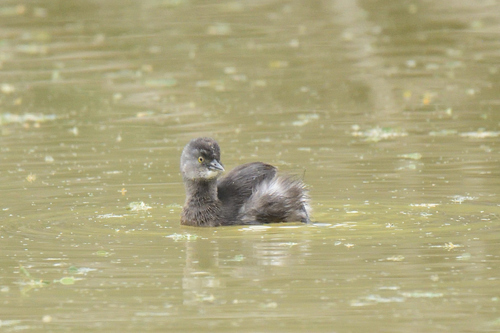 Least Grebe
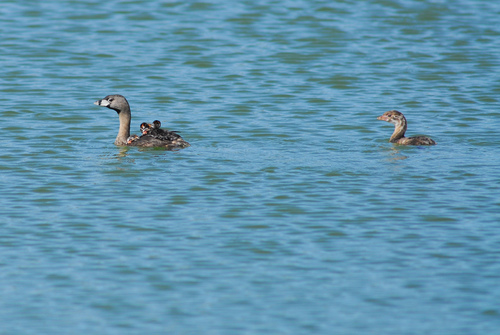 Pied-billed Grebe
In breve
Il segno di campo più affidabile per separare il Least Grebe dal Pied-billed Grebe è la presenza di una bold white wing patch in flight sul Least Grebe di tutte le età, che il Pied-billed Grebe non ha affatto. Negli uccelli posati o in nuoto, il Least Grebe è molto più piccolo e snello, con un becco sottile e appuntito e occhi gialli brillanti, mentre il Pied-billed Grebe è notevolmente più robusto, ha un becco spesso e smussato (con una banda nera durante la stagione di nidificazione) e un sottocoda bianco. I giovani Pied-billed Grebes sono striati, a differenza dei più semplici e più chiari giovani Least Grebes. Entrambe le specie sono complessivamente brune, ma il Least Grebe non presenta mai castano sul collo ed è complessivamente più scuro. Le differenze nella forma e nelle dimensioni del becco sono particolarmente utili a distanza o in condizioni di scarsa illuminazione.
Consigli di identificazione
- White wing patch in flight: Solo il Least Grebe mostra una macchia bianca sulla ala quando vola; le ali del Pied-billed Grebe sono semplicemente brune senza bianco. Questo è il segno più affidabile per gli uccelli spaventati o visti in volo, indipendentemente dall'età.
- Size: Il Least Grebe è molto più piccolo e leggero del Pied-billed Grebe. Se vedi entrambi insieme, la differenza è notevole, ma fai attenzione a non sottovalutare le dimensioni degli uccelli solitari o a distanza.
- Bill shape: Il Least Grebe ha un becco sottile, affilato e appuntito; il becco del Pied-billed Grebe è spesso, smussato e simile a quello di un pollo, con un colore chiaro e una banda nera negli adulti in riproduzione. La forma del becco è spesso visibile anche a distanza moderata.
- Eye color: Il Least Grebe ha occhi gialli brillanti; gli occhi del Pied-billed Grebe sono più opachi e non si distinguono tanto.
- Juvenile plumage: I giovani Pied-billed Grebes hanno strisce facciali nere e bianche audaci, mentre i giovani Least Grebe sono semplicemente più chiari e grigi, privi di striature. Questo è un segno chiave a fine estate e in autunno.
- Neck color: Il Least Grebe non presenta mai castano o ruggine sul collo, mentre il Pied-billed Grebe è semplicemente bruno; questo aiuta a separarli da altri grebes ma è meno utile tra questi due.
- Undertail color: Il Pied-billed Grebe ha un sottocoda bianco evidente, spesso visibile quando l'uccello sta tuffandosi o sistemandosi. Il Least Grebe non ha questo contrasto.
- Crown and throat: Durante la stagione di nidificazione, il Least Grebe ha una corona e una gola nerastre; il Pied-billed Grebe ha una macchia nera sulla gola e un becco chiaro con una banda nera. Durante la stagione non riproduttiva, entrambi diventano più chiari, ma la forma e le dimensioni del becco rimangono utili.
- Overall jizz: Il Least Grebe appare più delicato, con un collo più corto e meno robusto rispetto al Pied-billed Grebe, che è tozzo e pesante.
- Feet in flight: Entrambi hanno i piedi posizionati molto indietro, ma le grandi dita lobate del Pied-billed Grebe spesso si trascinano dietro il corpo in volo e non sono palmate.
- Habitat context: Il Least Grebe è più probabile trovarlo in piccoli corpi d'acqua sovrastati o temporanei; il Pied-billed Grebe preferisce zone umide più grandi e più aperte. Se ti trovi in un piccolo fossato infestato di erbacce nei tropici, è più probabile che tu veda un Least Grebe.
- Behavior: Entrambi si tuffano facilmente, ma il Pied-billed Grebe è particolarmente timido e può scomparire per lunghi periodi sott'acqua, riemergendo lontano dalla sua posizione originale.
- Sexual dimorphism: Nessuna delle due specie mostra evidenti differenze sessuali sul campo, quindi non fare affidamento su questo per la separazione.
- Seasonal context: In Nord America, il Pied-billed Grebe è più probabile trovarlo al di fuori dei tropici, specialmente in inverno. Il Least Grebe è residente nel sud degli Stati Uniti, in Messico e più a sud.
- Common pitfalls: Non confondere il piumaggio bruno del Pied-billed Grebe con quello del Least Grebe; controlla sempre la forma del becco, le dimensioni e la presenza o assenza della macchia bianca sulla ala in volo.
Taglia
Il Least Grebe è drammaticamente più piccolo e leggero (massa adulta ~122,5 g) rispetto al Pied-billed Grebe (~440 g). Il Least Grebe è anche più corto (21–27 cm) rispetto al Pied-billed Grebe (31–38 cm). Questa differenza di dimensioni è ovvia quando visti fianco a fianco, ma può essere sottovalutata se gli uccelli sono soli. Il Least Grebe appare più minuto e delicato, mentre il Pied-billed Grebe è tozzo e pesante.
Piumaggio
- In flight (all ages): Il Least Grebe mostra una distintiva macchia bianca sulla ala; il Pied-billed Grebe non ha alcun bianco nelle ali quando vola, il che è un punto chiave di separazione a qualsiasi età.
- Juveniles: I giovani Pied-billed Grebe hanno audaci strisce nere e bianche sul viso e sul collo, facendoli apparire piuttosto diversi dai giovani Least Grebe, che sono semplicemente più chiari e grigi rispetto agli adulti senza striature.
- Adults (breeding): Il Least Grebe è di un grigio-bruno scuro sopra con una corona e una gola nerastre, petto bruno, parti inferiori chiare e non presenta mai castano sul collo. Il Pied-billed Grebe è bruno nel complesso con una corona e un dorso più scuri, e in estate mostra una gola nera e un becco distintivo chiaro con una banda nera.
- Adults (non-breeding): Entrambe le specie diventano più chiare, ma il Pied-billed Grebe perde la gola nera e la banda del becco, mentre il Least Grebe sviluppa una gola biancastra e rimane più piccolo e più scuro nel complesso.
- Other marks: Il Pied-billed Grebe ha un sottocoda bianco, visibile quando nuota o si tuffa; il Least Grebe non lo ha.
Comportamento
Entrambe le specie sono eccellenti tuffatori e raramente si vedono volare, ma il Pied-billed Grebe è ancora più riluttante a volare ed è più probabile che si tuffi e riemerga lontano dal pericolo. Entrambi hanno le gambe posizionate molto indietro, rendendo quasi impossibile camminare sulla terra. I piedi del Pied-billed Grebe sono lobati, non palmate, e spesso si trascinano dietro il corpo in volo. Il Least Grebe è più probabile che utilizzi piccoli corpi d'acqua temporanei o fortemente vegetati, e può apparire più agile e meno robusto in acqua.
Habitat
Entrambe le specie utilizzano zone umide d'acqua dolce con vegetazione emergente, ma il Least Grebe si trova più spesso in piccoli stagni sovrastati o temporanei, fossati e mangrovie, specialmente nelle parti meridionali del suo areale. Il Pied-billed Grebe è più diffuso in Nord America e preferisce stagni, laghi e paludi più grandi, a volte avventurandosi in acque salate o altitudini più elevate durante la migrazione. È possibile un sovrapposizione in America Centrale e nei Caraibi, ma il Least Grebe è più probabile trovarlo in zone umide dense, vegetate o effimere.