

large blue flycatcher vs hill blue flycatcher
Cyornis magnirostris versus Cyornis whitei
Jogue um quiz com large blue flycatcher e hill blue flycatcher
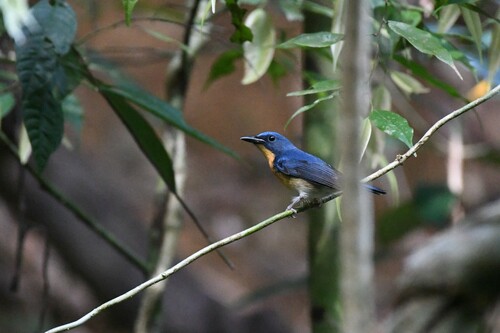 large blue flycatcher
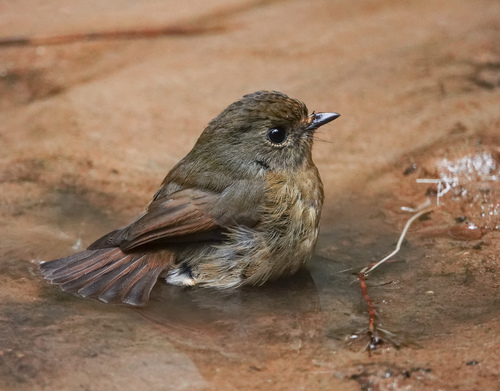 hill blue flycatcher
Em resumo
A maneira mais confiável de separar large blue flycatcher de hill blue flycatcher em campo é focando nos detalhes da plumagem, especialmente em machos adultos: Machos de large blue flycatcher apresentam uma testa azul pálido e fria e lore e bochechas preto-jet, com uma garganta laranja-rúfida vívida, enquanto machos de hill blue flycatcher (não descritos aqui, mas conhecidos por referências) não possuem o padrão facial preto em forte contraste e têm uma cabeça azul mais uniforme. Fêmeas e juvenis são mais complicados, mas fêmeas de large blue flycatcher têm um rabo e cauda com forte tom rufoso, e juvenis apresentam manchas e listras rufescentes pesadas, que não são encontradas em hill blue. Ambas as espécies são flycatchers de tamanho médio com estrutura semelhante, portanto, atenção cuidadosa aos sutis padrões de plumagem e face é essencial. O habitat e a distribuição se sobrepõem no nordeste da Índia, mas large blue é mais himalaio e raro, enquanto hill blue é mais amplamente distribuído no Sudeste Asiático.
Dicas de identificação
- Padrão facial de machos adultos: Machos de large blue flycatcher têm uma testa azul pálido e fria e lore, bochechas e algumas coberturas auriculares preto-jet em forte contraste, criando uma aparência mascarada. Machos de hill blue não possuem esse forte contraste facial preto e têm uma cabeça azul mais uniforme. Use essa marca para aves empoleiradas ou próximas.
- Cor da garganta e queixo (machos adultos): Ambas as espécies têm gargantas laranja, mas a de large blue é descrita como laranja-rúfida vibrante, estendendo-se até os flancos traseiros e o abdômen médio, com uma demarcação mais nítida do azul das partes superiores. O laranja de hill blue é menos extenso e a transição para o azul é mais gradual.
- Cor das asas e cauda (machos adultos): Large blue apresenta asas e cauda azul-escuras com um leve tom purpúreo. O azul de hill blue é tipicamente mais brilhante e uniforme, sem o tom purpúreo.
- Partes superiores das fêmeas: A fêmea de large blue é acinzentada por cima com um forte tom rufoso no rabo, cauda e bordas das asas. Fêmeas de hill blue são menos rufosas no rabo e cauda, aparecendo mais uniformemente marrons ou acinzentadas.
- Face e garganta das fêmeas: Fêmeas de large blue têm uma face pálida e amarelada e lore, com bochechas marrom-escuras e um queixo e garganta pálidos com tom rufoso. Fêmeas de hill blue não possuem o forte tom rufoso e têm uma face mais simples.
- Padrão juvenil: Juvenis de large blue flycatchers são marrons mais escuros por cima com manchas rufescentes e listras escuras fortes na garganta e peito de fundo profundo, além de uma leve mancha escura no abdômen. Juvenis de hill blue são mais uniformemente marrons e não possuem as pesadas listras e manchas rufescentes. Esta é uma marca chave para aves em seu primeiro outono e inverno.
- Partes inferiores (todas as idades): Ambas as espécies têm partes inferiores brancas, mas a garganta laranja-rúfida de large blue se estende mais para baixo no abdômen em machos.
- Cor do bico e pernas: Large blue tem um bico preto e pernas que variam de rosa claro a cinza-pálido ou marrom-claro. Estas não são fortemente diagnósticas, mas podem ajudar em combinação com outras marcas.
- Impressão geral: Large blue frequentemente parece ter um tom mais frio e mais contraste, especialmente em machos, enquanto hill blue é mais quente e uniforme.
- Habitat e distribuição: Nas montanhas orientais do Himalaia e nas encostas, large blue é possível, mas raro; no Sudeste Asiático e no sul da China, hill blue é muito mais provável. Use a distribuição como uma pista de apoio, não como um separador primário.
- Vocalizações: Os apitos curtos, nítidos e agudos de large blue podem ajudar se ouvidos, mas a voz de hill blue não é descrita aqui, então não confie apenas nisso.
- Dimorfismo sexual: Large blue apresenta um dimorfismo sexual mais forte do que hill blue; fêmeas e juvenis são mais distintivamente marcados.
- Armadilhas: Cuidado para não confundir machos adultos apagados ou desgastados, e especialmente fêmeas e juvenis, que podem parecer muito semelhantes. Foque no padrão facial, cor do rabo/cauda e listras juvenis.
- Visões de voo: Nenhuma diferença específica de padrão de asas é descrita para aves em voo, então confie em vistas empoleiradas e contrastes de face/rabo.
- Variação sazonal: Marcas juvenis e femininas são mais úteis no final do verão até o inverno; o padrão facial e de garganta de machos adultos é melhor na primavera e no início do verão.
Tamanho
Ambas as espécies são descritas como flycatchers de tamanho médio na família Muscicapidae, e não há diferença diagnóstica em tamanho ou estrutura com base nas fontes disponíveis. A coloração do bico e das pernas não é destacada como separadores confiáveis entre esses dois.
Plumagem
Para adultos, o macho de large blue flycatcher é distinto com uma testa azul pálido e fria, lore e bochechas preto-jet, boné azul profundo e uma garganta e queixo laranja-rúfido vibrantes que se estendem até o abdômen. As asas e a cauda são azul-escuras com um tom purpúreo. Em contraste, machos de hill blue flycatcher (de referências comparativas) têm uma cabeça azul mais uniforme e não possuem o padrão facial preto bem definido; sua garganta também é laranja, mas o contraste facial é menos acentuado. A fêmea de large blue flycatcher é acinzentada por cima com um forte tom rufoso no rabo, cauda e bordas das asas, e uma face pálida com bochechas marrom-escuras. Juvenis de large blue flycatchers são marrons mais escuros com manchas rufescentes por cima e gargantas e peitos de fundo profundo e fortemente listrados, ao contrário dos juvenis de hill blue, que são mais uniformemente marrons. Essas diferenças juvenis e femininas são sutis, mas importantes em campo, especialmente quando as aves não estão cantando ou são vistas em luz fraca.
Comportamento
Nenhuma diferença comportamental é descrita que seja diagnóstica entre essas duas espécies. Ambas se comportam como flycatchers típicos de floresta, empoleirando-se eretas e atacando insetos.
Habitat
Large blue flycatcher é encontrado nas montanhas orientais do Himalaia, do Nepal a Bangladesh, e é considerado raro e em declínio. Hill blue flycatcher é mais amplamente distribuído, variando do sul da China através do nordeste da Índia até o Sudeste Asiático. Em áreas de sobreposição (nordeste da Índia), large blue é mais provável em florestas de encosta himalaia, enquanto hill blue é mais comum em florestas de colinas e submontanas mais ao sul e a leste. No entanto, o habitat sozinho nem sempre é confiável para separação onde suas distribuições se encontram.
Voz
Large blue flycatcher emite notas apitadas curtas, nítidas e agudas, descritas como semelhantes a um toque vocal. Nenhuma descrição vocal comparativa está disponível para hill blue flycatcher nas fontes fornecidas, então a voz não é um separador confiável com base nas informações atuais.
large blue flycatcher · hill blue flycatcher · Minhas aves difíceis