

Motmot

オオヒメアオヒタキ 対 ミヤマヒメアオヒタキ

Cyornis magnirostris 対 Cyornis whitei

オオヒメアオヒタキとミヤマヒメアオヒタキのクイズ
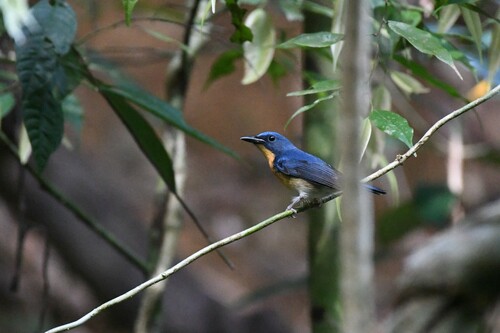
オオヒメアオヒタキ (Cyornis magnirostris) オオヒメアオヒタキ
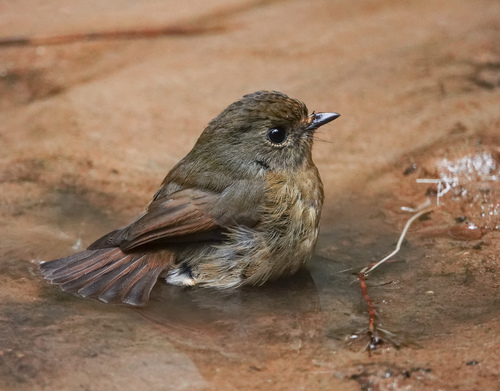
ミヤマヒメアオヒタキ (Cyornis whitei) ミヤマヒメアオヒタキ

メディア

読み込み中…

要点

オオヒメアオヒタキとミヤマヒメアオヒタキをフィールドで区別する最も信頼できる方法は、特に成鳥のオスの羽毛の詳細に焦点を当てることです:オオヒメアオヒタキのオスは冷たい淡い青の額と真っ黒な顔の部分、頬を持ち、鮮やかなオレンジがかった赤い喉を示します。一方、ミヤマヒメアオヒタキのオスは(ここでは説明されていませんが、参考文献から知られています)鮮明に対照的な黒い顔の模様がなく、より均一な青い頭を持っています。メスと幼鳥はより難しいですが、オオヒメアオヒタキのメスは強い赤褐色の尻と尾を持ち、幼鳥は重い赤褐色の斑点と縞模様を示し、これはミヤマヒメアオヒタキには見られません。両種は中型のヒタキで、構造は似ていますので、微妙な羽毛と顔の模様に注意を払うことが重要です。生息地と分布は北東インドで重なりますが、オオヒメアオヒタキはよりヒマラヤに生息し、希少であり、ミヤマヒメアオヒタキは東南アジアでより広く分布しています。

識別のコツ

  1. 成鳥オスの顔の模様: オオヒメアオヒタキのオスは冷たい淡い青の額と鮮明に対照的な真っ黒な顔の部分、頬、いくつかの耳羽を持ち、マスクのような外観を作ります。ミヤマヒメアオヒタキのオスはこの強い黒い顔の対照がなく、より均一な青い頭を持っています。このマークを止まっているか近くの鳥に使用してください。
  2. 喉と顎の色(成鳥オス): 両種はオレンジの喉を持っていますが、オオヒメアオヒタキの喉は鮮やかなオレンジがかった赤と説明され、後ろの側腹部と中腹部に広がり、上面の青との境界がより鮮明です。ミヤマヒメアオヒタキのオレンジはあまり広がらず、青への移行がより緩やかです。
  3. 翼と尾の色(成鳥オス): オオヒメアオヒタキは暗い青の翼と尾を持ち、微妙な紫がかった色合いがあります。ミヤマヒメアオヒタキの青は通常、より明るく均一で、紫がかった色合いがありません。
  4. メスの上面: メスのオオヒメアオヒタキは上面が灰色がかっており、尻、尾、翼の端に強い赤褐色の色合いがあります。ミヤマヒメアオヒタキのメスは尻と尾の赤褐色が少なく、より均一に茶色がかったか灰色がかっています。
  5. メスの顔と喉: オオヒメアオヒタキのメスは淡いバフ色の目の周りと顔の部分を持ち、暗い茶色の頬と淡い赤褐色がかったバフ色の顎と喉を持っています。ミヤマヒメアオヒタキのメスは強い赤褐色の色合いがなく、より地味な顔をしています。
  6. 幼鳥の模様: 幼鳥のオオヒメアオヒタキは上面がより暗い茶色で、赤褐色の斑点と深いバフ色の喉と胸に強い暗い縞模様を持ち、腹部には微かな暗い斑点があります。ミヤマヒメアオヒタキの幼鳥はより均一に茶色で、重い縞模様と赤褐色の斑点がありません。これは初秋と冬の鳥にとって重要なマークです。
  7. 下部(全年齢): 両種は白っぽい下部を持っていますが、オオヒメアオヒタキのオスのオレンジがかった赤の喉は腹部にさらに下まで広がります。
  8. くちばしと脚の色: オオヒメアオヒタキは黒いくちばしと脚を持ち、淡い肉色から淡いピンクがかった灰色または明るい角質茶色まで変化します。これらは強く診断的ではありませんが、他のマークと組み合わせることで役立つかもしれません。
  9. 全体的な印象: オオヒメアオヒタキはしばしば冷たい色調でより対照的に見え、特にオスでは、ミヤマヒメアオヒタキはより暖かく均一に見えます。
  10. 生息地と分布: 東ヒマラヤとその foothills では、オオヒメアオヒタキは可能ですが希少です。東南アジアと南中国では、ミヤマヒメアオヒタキがはるかに可能性が高いです。重なり合う地域(北東インド)では、オオヒメアオヒタキはヒマラヤの foothill 森林にいる可能性が高く、ミヤマヒメアオヒタキは南と東の丘や亜山地の森林でより一般的です。しかし、生息地だけでは、彼らの分布が交わる場所での区別には常に信頼できるわけではありません。
  11. 鳴き声: オオヒメアオヒタキは高音で短く、クリスプな口笛の音を出し、声はボーカルタップに似ていると説明されています。提供された情報源にはミヤマヒメアオヒタキの比較的な鳴き声の説明はありませんので、声だけに頼らないでください。
  12. 性差の二形性: オオヒメアオヒタキはミヤマヒメアオヒタキよりも強い性差の二形性を示し、メスと幼鳥はより明確に特徴づけられています。
  13. 落とし穴: 鈍いまたは摩耗した成鳥のオス、特にメスと幼鳥を混同しないように注意してください。これらは非常に似て見えることがあります。顔の模様、尻/尾の色、幼鳥の縞模様に焦点を当ててください。
  14. 飛行中の視点: 飛行中の鳥に特定の翼の模様の違いは説明されていないので、止まっている視点と顔/尻の対比に頼ってください。
  15. 季節的変化: 幼鳥とメスのマークは、晩夏から冬にかけて最も有用です。成鳥オスの顔と喉の模様は春と初夏に最適です。

大きさ

両種はMuscicapidae科の中型のヒタキとして説明されており、利用可能な情報源に基づいてサイズや構造に診断的な違いはありません。くちばしと脚の色は、これら二つの間の信頼できる区別として強調されていません。

羽色

成鳥の場合、オスのオオヒメアオヒタキは冷たい淡い青の額、真っ黒な顔の部分と頬、深い青の帽子、鮮やかなオレンジがかった赤の喉と顎を持ち、腹部にまで広がります。翼と尾は暗い青で微妙な紫がかった色合いがあります。対照的に、ミヤマヒメアオヒタキのオスは(比較の参考文献から)より均一な青い頭を持ち、鮮明に定義された黒い顔の模様がありません。彼らの喉もオレンジですが、顔の対照はあまり際立っていません。メスのオオヒメアオヒタキは上面が灰色がかっており、尻、尾、翼の端に強い赤褐色の色合いがあり、淡いバフ色の顔に暗い茶色の頬を持っています。幼鳥のオオヒメアオヒタキは上面がより暗い茶色で、赤褐色の斑点と深いバフ色の、重く縞模様のある喉と胸を持ち、ミヤマヒメアオヒタキのより均一に茶色がかった幼鳥とは異なります。これらの幼鳥とメスの違いは微妙ですが、特に鳥が鳴いていないときや悪い光の中で見られるときに、フィールドでは重要です。

行動

この二種の間で診断的な行動の違いは説明されていません。両者は典型的な森林のヒタキとして振る舞い、直立して止まり、昆虫を捕まえます。

生息環境

オオヒメアオヒタキは東ヒマラヤ、ネパールからバングラデシュまで見られ、希少で減少していると考えられています。ミヤマヒメアオヒタキはより広く分布し、南中国から北東インドを経て東南アジアに至ります。重なり合う地域(北東インド)では、オオヒメアオヒタキはヒマラヤの foothill 森林にいる可能性が高く、ミヤマヒメアオヒタキは南と東の丘や亜山地の森林でより一般的です。しかし、生息地だけでは、彼らの分布が交わる場所での区別には常に信頼できるわけではありません。

声

オオヒメアオヒタキは高音で短く、クリスプな口笛の音を出し、声はボーカルタップに似ていると説明されています。提供された情報源にはミヤマヒメアオヒタキの比較的な鳴き声の説明はありませんので、声だけに頼らないでください。

より良い説明を送る

比較と同じ項目を使ってください。文章はすぐに公開されます。

The most reliable way to separate Large Blue Flycatcher from Hill Blue Flycatcher in the field is by focusing on plumage details, especially in adult males: Large Blue Flycatcher males show a cold, pale blue forehead and jet-black lores and cheeks, with a vivid orange-rufous throat, while Hill Blue Flycatcher males (not described here, but known from references) lack the sharply contrasting black facial pattern and have a more uniform blue head. Females and juveniles are trickier, but Large Blue Flycatcher females have a strongly rufous-tinged rump and tail, and juveniles show heavy rufescent spotting and barring, which are not matched in Hill Blue. Both species are medium-sized flycatchers with similar structure, so careful attention to subtle plumage and face pattern is essential. Habitat and range overlap in northeastern India, but Large Blue is more Himalayan and rare, while Hill Blue is more widespread in Southeast Asia.

  1. Adult male face pattern: Large Blue Flycatcher males have a cold, pale blue forehead and sharply contrasting jet-black lores, cheeks, and some ear-coverts, creating a masked look. Hill Blue males lack this strong black facial contrast and have a more uniform blue head. Use this mark for perched or close birds.
  2. Throat and chin color (adult males): Both species have orange throats, but Large Blue's is described as vibrant orange-rufous, extending to the rear flanks and mid-belly, with a sharper demarcation from the blue of the upperparts. Hill Blue's orange is less extensive and the transition to blue is more gradual.
  3. Wing and tail color (adult males): Large Blue shows dark blue wings and tail with a subtle purplish tinge. Hill Blue's blue is typically brighter and more uniform, lacking the purplish cast.
  4. Female upperparts: Female Large Blue is grayish above with a strong rufous tinge to the rump, tail, and wing edges. Hill Blue females are less rufous on the rump and tail, appearing more uniformly brownish or grayish.
  5. Female face and throat: Large Blue females have a pale buffish eyeing and lores, with dark brown cheeks and a pale rufous-tinged buff chin and throat. Hill Blue females lack the strong rufous tinge and have a plainer face.
  6. Juvenile pattern: Juvenile Large Blue Flycatchers are darker brown above with rufescent spots and strong dark barring on the deep buff throat and breast, plus faint dusky mottling on the belly. Hill Blue juveniles are more evenly brown and lack the heavy barring and rufescent spotting. This is a key mark for birds in their first autumn and winter.
  7. Underparts (all ages): Both species have whitish lower underparts, but Large Blue's orange-rufous throat extends further down the belly in males.
  8. Bill and leg color: Large Blue has a black bill and legs that vary from pale flesh-pink to pale pinkish gray or light horn-brown. These are not strongly diagnostic but may help in combination with other marks.
  9. Overall impression: Large Blue often appears colder-toned and more contrasting, especially in males, while Hill Blue is warmer and more uniform.
  10. Habitat and range: In the eastern Himalayas and foothills, Large Blue is possible but rare; in Southeast Asia and southern China, Hill Blue is much more likely. Use range as a supporting clue, not a primary separator.
  11. Vocalizations: Large Blue's short, crisp, high-pitched whistles may help if heard, but Hill Blue's voice is not described here, so do not rely on this alone.
  12. Sexual dimorphism: Large Blue shows stronger sexual dimorphism than Hill Blue; females and juveniles are more distinctively marked.
  13. Pitfalls: Beware of confusing dull or worn adult males, and especially females and juveniles, which can look very similar. Focus on face pattern, rump/tail color, and juvenile barring.
  14. Flight views: No specific wing pattern differences are described for birds in flight, so rely on perched views and face/rump contrasts.
  15. Seasonal variation: Juvenile and female marks are most useful in late summer through winter; adult male face and throat pattern is best in spring and early summer.

Both species are described as medium-sized flycatchers in the Muscicapidae family, and there is no diagnostic difference in size or structure based on available sources. Bill and leg coloration are not highlighted as reliable separators between these two.

For adults, male Large Blue Flycatcher is distinctive with a cold, pale blue forehead, jet-black lores and cheeks, deep blue cap, and a vibrant orange-rufous throat and chin extending to the belly. The wings and tail are dark blue with a purplish tinge. In contrast, Hill Blue Flycatcher males (from comparative references) have a more uniform blue head and lack the sharply defined black facial pattern; their throat is also orange but the facial contrast is less marked. Female Large Blue Flycatcher is grayish above with a strong rufous tinge to the rump, tail, and wing edges, and a pale buff face with dark brown cheeks. Juvenile Large Blue Flycatchers are darker brown with rufescent spots above and deep buff, heavily barred throats and breasts, unlike the more evenly brownish juveniles of Hill Blue. These juvenile and female differences are subtle but important in the field, especially when birds are not singing or are seen in poor light.

No behavioral differences are described that are diagnostic between these two species. Both behave as typical forest flycatchers, perching upright and sallying for insects.

Large Blue Flycatcher is found in the eastern Himalayas, from Nepal to Bangladesh, and is considered rare and declining. Hill Blue Flycatcher is more widespread, ranging from southern China through northeastern India to Southeast Asia. In areas of overlap (northeastern India), Large Blue is more likely in Himalayan foothill forests, while Hill Blue is more common in hill and submontane forests further south and east. However, habitat alone is not always reliable for separation where their ranges meet.

Large Blue Flycatcher gives high-pitched, short, crisp whistled notes, described as similar to a vocal tap. No comparative vocal description is available for Hill Blue Flycatcher in the sources provided, so voice is not a reliable separator based on current information.

変更を破棄しますか?

保存していない編集があります。今離れると失われます。

オオヒメアオヒタキ · ミヤマヒメアオヒタキ · 苦手な鳥