

Large Blue Flycatcher vs Hill Blue Flycatcher
Cyornis magnirostris contro Cyornis whitei
Fai un quiz con Large Blue Flycatcher e Hill Blue Flycatcher
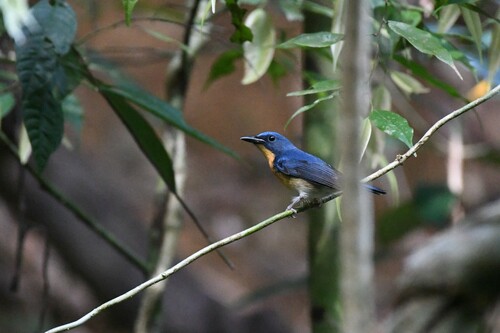 Large Blue Flycatcher
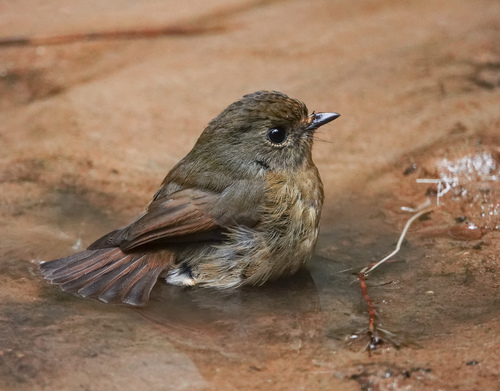 Hill Blue Flycatcher
In breve
Il modo più affidabile per separare il Large Blue Flycatcher dall'Hill Blue Flycatcher sul campo è concentrarsi sui dettagli del piumaggio, specialmente nei maschi adulti: i maschi del Large Blue Flycatcher mostrano una fronte blu pallido e fredda e lore e guance nere come il carbone, con una gola arancio-ruggine vivida, mentre i maschi dell'Hill Blue Flycatcher (non descritti qui, ma noti da riferimenti) mancano del contrasto facciale nero nettamente definito e hanno una testa blu più uniforme. Le femmine e i giovani sono più difficili da distinguere, ma le femmine del Large Blue Flycatcher hanno un sottocoda e una coda fortemente arancio-rugginosi, e i giovani mostrano pesanti macchie e barre rugginose, che non si trovano nell'Hill Blue. Entrambe le specie sono moschettieri di dimensioni medie con una struttura simile, quindi è essenziale prestare attenzione ai dettagli sottili del piumaggio e del pattern facciale. L'habitat e l'areale si sovrappongono nel nord-est dell'India, ma il Large Blue è più himalayano e raro, mentre l'Hill Blue è più diffuso nel sud-est asiatico.
Consigli di identificazione
- Adult male face pattern: I maschi del Large Blue Flycatcher hanno una fronte blu pallido e fredda e lore, guance e alcune copritrici auricolari nere come il carbone, creando un aspetto mascherato. I maschi dell'Hill Blue mancano di questo forte contrasto facciale nero e hanno una testa blu più uniforme. Usa questo segno per uccelli posati o vicini.
- Throat and chin color (adult males): Entrambe le specie hanno gole arancioni, ma quella del Large Blue è descritta come arancio-ruggine vibrante, che si estende ai fianchi posteriori e alla parte centrale dell'addome, con una demarcazione più netta dal blu delle parti superiori. L'arancio dell'Hill Blue è meno esteso e la transizione al blu è più graduale.
- Wing and tail color (adult males): Il Large Blue mostra ali e coda blu scuro con una sottile sfumatura purpurea. Il blu dell'Hill Blue è tipicamente più luminoso e uniforme, privo della sfumatura purpurea.
- Female upperparts: La femmina del Large Blue è grigia sopra con una forte sfumatura rugginosa sul sottocoda, sulla coda e sui bordi delle ali. Le femmine dell'Hill Blue sono meno rugginose sul sottocoda e sulla coda, apparendo più uniformemente marroni o grigie.
- Female face and throat: Le femmine del Large Blue hanno un occhio e lore di un buff chiaro, con guance marroni scure e un mento e una gola di un buff pallido con sfumature rugginose. Le femmine dell'Hill Blue mancano della forte sfumatura rugginosa e hanno un viso più semplice.
- Juvenile pattern: I giovani Large Blue Flycatchers sono di un marrone più scuro sopra con macchie rugginose e forti barre scure sulla gola e sul petto di un buff profondo, oltre a una leggera maculatura scura sull'addome. I giovani dell'Hill Blue sono più uniformemente marroni e mancano delle pesanti barre e delle macchie rugginose. Questo è un segno chiave per gli uccelli nel loro primo autunno e inverno.
- Underparts (all ages): Entrambe le specie hanno parti inferiori inferiori bianche, ma la gola arancio-ruggine del Large Blue si estende più in basso nell'addome nei maschi.
- Bill and leg color: Il Large Blue ha un becco e zampe nere che variano da un rosa carne pallido a un grigio rosa pallido o marrone chiaro. Questi non sono fortemente diagnostici ma possono aiutare in combinazione con altri segni.
- Overall impression: Il Large Blue spesso appare più freddo e contrastante, specialmente nei maschi, mentre l'Hill Blue è più caldo e uniforme.
- Habitat and range: Nelle Himalaya orientali e nelle pendici, il Large Blue è possibile ma raro; nel sud-est asiatico e nel sud della Cina, l'Hill Blue è molto più probabile. Usa l'areale come indizio di supporto, non come separatore primario.
- Vocalizations: I fischi brevi, netti e acuti del Large Blue possono aiutare se uditi, ma la voce dell'Hill Blue non è descritta qui, quindi non fare affidamento su questo da solo.
- Sexual dimorphism: Il Large Blue mostra un dimorfismo sessuale più forte rispetto all'Hill Blue; le femmine e i giovani sono più distintivamente marcati.
- Pitfalls: Fai attenzione a confondere maschi adulti opachi o usurati, e specialmente femmine e giovani, che possono sembrare molto simili. Concentrati sul pattern facciale, sul colore del sottocoda/coda e sulle barre giovanili.
- Flight views: Non sono descritte differenze specifiche nel pattern delle ali per gli uccelli in volo, quindi fai affidamento su viste posate e contrasti facciali/sottocoda.
- Seasonal variation: I segni giovanili e femminili sono più utili nella tarda estate fino all'inverno; il pattern facciale e della gola del maschio adulto è migliore in primavera e all'inizio dell'estate.
Taglia
Entrambe le specie sono descritte come moschettieri di dimensioni medie nella famiglia Muscicapidae, e non ci sono differenze diagnostiche in termini di dimensioni o struttura basate sulle fonti disponibili. La colorazione del becco e delle zampe non è evidenziata come separatori affidabili tra questi due.
Piumaggio
Per gli adulti, il maschio del Large Blue Flycatcher è distintivo con una fronte blu pallido e fredda, lore e guance nere come il carbone, un cappuccio blu profondo e una gola e un mento arancio-ruggine vividi che si estendono fino all'addome. Le ali e la coda sono blu scuro con una sfumatura purpurea. Al contrario, i maschi dell'Hill Blue Flycatcher (da riferimenti comparativi) hanno una testa blu più uniforme e mancano del pattern facciale nero nettamente definito; la loro gola è anche arancione ma il contrasto facciale è meno marcato. La femmina del Large Blue Flycatcher è grigia sopra con una forte sfumatura rugginosa sul sottocoda, sulla coda e sui bordi delle ali, e un viso di un buff pallido con guance marroni scure. I giovani Large Blue Flycatchers sono di un marrone più scuro con macchie rugginose sopra e gole e petti di un buff profondo, fortemente barrati, a differenza dei giovani più uniformemente marroni dell'Hill Blue. Queste differenze giovanili e femminili sono sottili ma importanti sul campo, specialmente quando gli uccelli non cantano o sono visti in scarsa luce.
Comportamento
Non sono descritte differenze comportamentali che siano diagnostiche tra queste due specie. Entrambe si comportano come tipici moschettieri forestali, posandosi in posizione eretta e lanciandosi per gli insetti.
Habitat
Il Large Blue Flycatcher si trova nelle Himalaya orientali, dal Nepal al Bangladesh, ed è considerato raro e in declino. L'Hill Blue Flycatcher è più diffuso, che va dalla Cina meridionale attraverso il nord-est dell'India fino al sud-est asiatico. Nelle aree di sovrapposizione (nord-est dell'India), il Large Blue è più probabile nelle foreste delle pendici himalayane, mentre l'Hill Blue è più comune nelle foreste collinari e submontane più a sud e a est. Tuttavia, l'habitat da solo non è sempre affidabile per la separazione dove i loro areali si incontrano.
Voce
Il Large Blue Flycatcher emette note fischiate brevi, acute e nette, descritte come simili a un colpo vocale. Non è disponibile alcuna descrizione vocale comparativa per l'Hill Blue Flycatcher nelle fonti fornite, quindi la voce non è un separatore affidabile basato sulle informazioni attuali.
Large Blue Flycatcher · Hill Blue Flycatcher · I miei uccelli difficili