

karoo long-billed lark vs estorninho-de-barriga-preta
Certhilauda subcoronata versus Notopholia corusca
Jogue um quiz com karoo long-billed lark e estorninho-de-barriga-preta
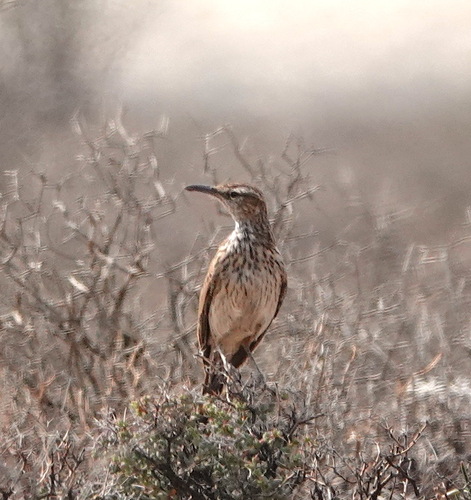 karoo long-billed lark
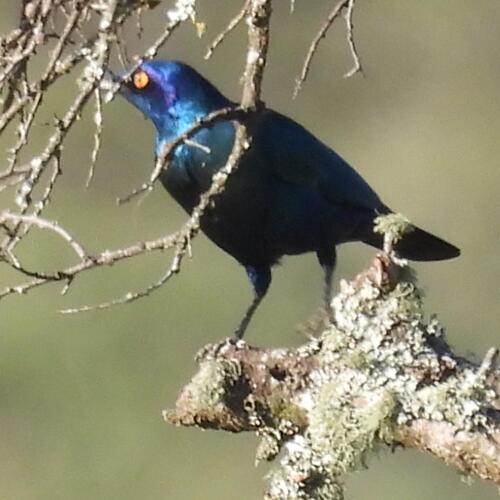 estorninho-de-barriga-preta
Em resumo
A marca de campo mais confiável para separar o karoo long-billed lark do estorninho-de-barriga-preta é a estrutura geral e a plumagem: o lark é um pássaro terrestre de bico longo, com tons terrosos e listras, encontrado em arbustos secos, enquanto o estorninho é uma espécie arbórea, escura, de bico curto e brilhante. Em qualquer idade ou estação, o lark apresenta um bico longo e curvado para baixo e coloração críptica, enquanto o estorninho é strikingly dark e iridescente, com uma postura compacta e ereta. Se você ver um pássaro listrado e arenoso no chão em um país árido, é o lark; um pássaro escuro e brilhante em uma árvore é o estorninho. É improvável que esses dois sejam confundidos, exceto em visões fugazes, mas a estrutura e o contexto são decisivos.
Dicas de identificação
- Formato e comprimento do bico: O lark tem um bico longo e curvado para baixo, sempre óbvio de perfil; o bico do estorninho é curto, reto e pontudo. Isso é visível em qualquer idade ou ângulo.
- Brilho da plumagem: O estorninho-de-barriga-preta é brilhante e iridescente, especialmente em boa luz; o lark é sempre fosco e com tons terrosos. Mesmo na sombra, o estorninho parece escuro e uniforme, enquanto o lark é listrado e arenoso.
- Partes inferiores: O estorninho tem uma barriga e peito uniformemente escuros (negróides), enquanto o lark tem partes inferiores pálidas, listradas ou manchadas. Isso é claro em pássaros empoleirados e frequentemente em voo.
- Listras: Apenas o lark é listrado acima e abaixo; o estorninho nunca é listrado.
- Cor dos olhos: A íris do estorninho pode mudar de cor com o humor, mas isso é sutil e não é uma marca de campo confiável. O olho do lark é escuro e sem destaque.
- Cor das pernas: Não é diagnóstico a partir das notas, mas o lark frequentemente apresenta pernas pálidas ou rosadas, enquanto as pernas do estorninho são escuras.
- Postura e aparência: O lark é horizontal, frequentemente agachado perto do chão; o estorninho é ereto e se empoleira alto.
- Habitat: Lark em arbustos secos e abertos; estorninho em florestas, bordas de florestas ou jardins. Se você ver um 'lark' em uma árvore, repense.
- Estilo de voo: Lark voa baixo e ondulante; estorninho voa diretamente entre os poleiros.
- Tamanho do grupo: Os larks são geralmente solitários ou em pares; os estorninhos costumam estar em pequenos bandos barulhentos.
- Formato da cauda: Não detalhado nas notas, mas os larks frequentemente têm caudas mais longas e graduadas; os estorninhos têm caudas mais curtas e quadradas.
- Vocalizações: Não descritas nas notas, portanto não é um separador confiável aqui.
- Confusão juvenil: Mesmo os estorninhos jovens são escuros e brilhantes, nunca listrados ou arenosos; os larks juvenis são listrados e crípticos.
- Contexto geográfico: Se estiver no Karoo ou em uma zona árida semelhante, espere pelo lark; se estiver em florestas orientais ou costeiras, espere pelo estorninho.
- Empoleirado vs. forrageando: O lark forrageia no chão, o estorninho frequentemente em árvores ou arbustos.
Tamanho
A comparação direta de tamanho não é possível a partir das notas disponíveis, mas ambas as espécies são passeriformes de tamanho médio. O estorninho pode parecer ligeiramente mais robusto e compacto, enquanto o lark é mais alongado, especialmente devido ao seu bico e cauda longos. No campo, as proporções do lark são mais esbeltas e horizontais, enquanto o estorninho é mais ereto e robusto.
Plumagem
A plumagem é o separador mais óbvio em todas as idades. O karoo long-billed lark é de tons terrosos, com partes superiores listradas e um peito pálido, listrado ou manchado, misturando-se bem com arbustos secos. Ele nunca apresenta iridescência. Larks juvenis e adultos são igualmente crípticos, sem forte contraste ou áreas brilhantes. O estorninho-de-barriga-preta, em contraste, é negro ou escuro brilhante com um brilho metálico, especialmente nos adultos. Suas partes inferiores são uniformemente escuras (daí o nome), e ele não apresenta listras ou tons arenosos. Mesmo os estorninhos imaturos são muito mais escuros e brilhantes do que qualquer lark, e nunca mostram o padrão listrado e camuflado do lark. Não há padrões de asas superiores específicos de idade distintos notados para nenhuma das espécies, mas a cor e o brilho geral são diagnósticos.
Comportamento
O comportamento é uma forte pista: o karoo long-billed lark é quase sempre visto no chão, andando ou correndo em arbustos secos e abertos, frequentemente sozinho ou em pares. Ele raramente se empoleira alto. O estorninho-de-barriga-preta é tipicamente arbóreo, forrageando em árvores ou arbustos, e frequentemente visto em pequenos grupos. Ele se empoleira ereto e pode ser ativo e barulhento. O estilo de voo também difere: o lark tem um voo saltitante e ondulante baixo sobre o chão, enquanto o estorninho voa mais diretamente entre as árvores.
Habitat
O habitat é um separador chave. O karoo long-billed lark é restrito a arbustos secos subtropicais ou tropicais no sul da África, especialmente no Karoo e em zonas áridas semelhantes. O estorninho-de-barriga-preta é encontrado em uma gama muito mais ampla, incluindo florestas, bordas de florestas e jardins em toda a África oriental e meridional, mas não é um pássaro de arbustos secos e abertos. Se você estiver no verdadeiro habitat do Karoo, é muito improvável encontrar o estorninho; em áreas florestais ou urbanas, o lark está fora de lugar.
karoo long-billed lark · estorninho-de-barriga-preta · Minhas aves difíceis