

Motmot

Karoo Long-billed Lark 対 クロハラテリムク

Certhilauda subcoronata 対 Notopholia corusca

Karoo Long-billed Larkとクロハラテリムクのクイズ
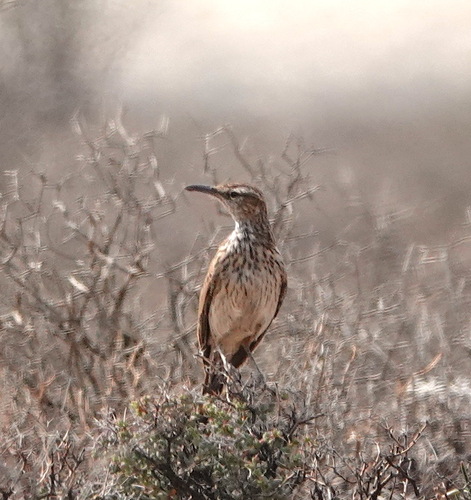
Karoo Long-billed Lark (Certhilauda subcoronata) Karoo Long-billed Lark
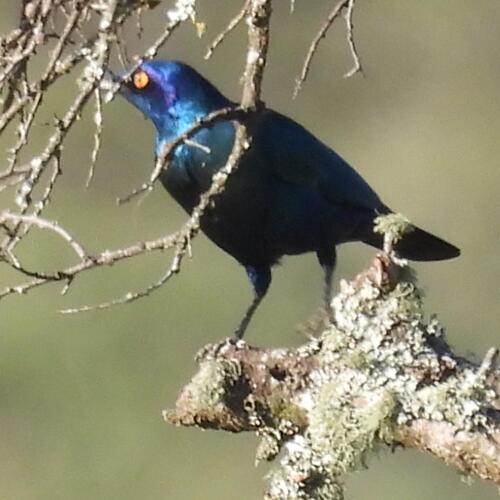
クロハラテリムク (Notopholia corusca) クロハラテリムク

メディア

読み込み中…

要点

Karoo Long-billed Larkとクロハラテリムクを区別する最も信頼できるフィールドマークは、全体の構造と羽毛です:larkは、乾燥した低木地のストリーキーでアーストーンの長いくちばしを持つ地上鳥であり、クロハラテリムクは光沢のある暗い短いくちばしを持つ樹上性の種です。年齢や季節に関係なく、larkは長く下向きのくちばしと隠れた色合いを示し、クロハラテリムクはコンパクトで直立した姿勢で際立って暗く虹色です。乾燥した国の地面にストリーキーで砂色の鳥を見たら、それはlarkです;木の中の光沢のある暗い鳥はクロハラテリムクです。これら二つは、一瞬の視界を除いて混同されることはほとんどありませんが、構造と文脈が決定的です。

識別のコツ

  1. Bill shape and length: larkは長く下向きのくちばしを持ち、横から見ると常に明らかです;クロハラテリムクのくちばしは短く、真っ直ぐで尖っています。これはどの年齢や角度でも見えます。
  2. Plumage gloss: クロハラテリムクは光沢があり虹色で、特に良い光の下で;larkは常にマットでアーストーンです。日陰でも、クロハラテリムクは暗く均一に見え、larkはストリーキーで砂色です。
  3. Underparts: クロハラテリムクは均一に暗い(黒っぽい)腹部と胸部を持ち、larkは淡い、ストリーキーまたは斑点のある腹部を持っています。これは止まっている鳥や飛行中によく明らかです。
  4. Streaking: ストリーキーなのはlarkだけで、クロハラテリムクは決してストリーキーではありません。
  5. Eye color: クロハラテリムクの虹彩は気分によって色が変わることがありますが、これは微妙で信頼できるフィールドマークではありません。larkの目は暗く目立たないです。
  6. Leg color: メモからは診断できませんが、larkはしばしば淡いまたはピンクがかった脚を示し、クロハラテリムクの脚は暗いです。
  7. Posture and jizz: larkは水平で、しばしば地面に低くしゃがんでいます;クロハラテリムクは直立して高く止まります。
  8. Habitat: larkは開けた乾燥した低木地に;クロハラテリムクは森林、森林の縁、または庭にいます。木の中に「lark」を見たら、再考してください。
  9. Flight style: larkは低く波打つように飛び;クロハラテリムクは止まり木の間を直接飛びます。
  10. Group size: larkは通常孤独またはペアで;クロハラテリムクはしばしば小さくて騒がしい群れでいます。
  11. Tail shape: メモには詳細がありませんが、larkはしばしば長く、より段階的な尾を持ち;クロハラテリムクは短く、四角い尾を持っています。
  12. Vocalizations: メモには記載されていないので、ここでは信頼できる区別にはなりません。
  13. Juvenile confusion: 若いクロハラテリムクは暗く光沢があり、決してストリーキーや砂色ではありません;幼いlarkはストリーキーで隠れた模様を持っています。
  14. Geographic context: Karooや同様の乾燥地帯にいる場合はlarkを期待;東部や沿岸の森林にいる場合はクロハラテリムクを期待。
  15. Perched vs. foraging: larkは地面で餌を探し、クロハラテリムクはしばしば木や茂みの中でいます。

大きさ

直接的なサイズ比較は利用可能なメモからは不可能ですが、両種は中型の雀類です。クロハラテリムクはわずかにがっしりしていてコンパクトに見えるかもしれませんが、larkは特に長いくちばしと尾のためにより細長いです。フィールドでは、larkの比率はより細く水平であり、クロハラテリムクはより直立して頑丈です。

羽色

羽毛はすべての年齢で最も明白な区別です。Karoo Long-billed Larkはアーストーンで、ストリーキーな上面と淡い、ストリーキーまたは斑点のある胸を持ち、乾燥した低木地にうまく溶け込みます。虹色は決して示しません。幼鳥と成鳥のlarkは同様に隠れた色合いを持ち、強いコントラストや光沢のある部分はありません。対照的に、クロハラテリムクは光沢のある黒っぽいまたは暗い金属的な光沢を持ち、特に成鳥では顕著です。下部は均一に暗い(そのため名前が付いています)で、ストリーキングや砂色のトーンはありません。未熟なクロハラテリムクでさえ、どのlarkよりもはるかに暗く光沢がありますし、larkのストリーキーでカモフラージュされた模様を決して示しません。どちらの種にも年齢特有の上翼パターンは記載されていませんが、全体的な色と光沢が診断的です。

行動

行動は強い手がかりです:Karoo Long-billed Larkはほぼ常に地面で見られ、開けた乾燥した低木地を歩いたり走ったりし、しばしば孤独またはペアでいます。高く止まることはほとんどありません。クロハラテリムクは典型的に樹上性で、木や茂みの中で餌を探し、しばしば小さな群れで見られます。直立して止まり、活発で騒がしいことがあります。飛行スタイルも異なります:larkは地面の低いところを跳ねるように飛び、クロハラテリムクは木の間をより直接に飛びます。

生息環境

生息地は重要な区別です。Karoo Long-billed Larkは南アフリカの亜熱帯または熱帯の乾燥した低木地に制限されており、特にKarooや同様の乾燥地帯に生息しています。クロハラテリムクは、東部および南部アフリカ全体の森林、森林の縁、庭を含むはるかに広い範囲に見られますが、開けた乾燥した低木地の鳥ではありません。真のKaroo生息地にいる場合、クロハラテリムクは非常に可能性が低いです;森林や都市部では、larkは場違いです。

より良い説明を送る

比較と同じ項目を使ってください。文章はすぐに公開されます。

The most reliable field mark to separate Karoo Long-billed Lark from Black-bellied Starling is overall structure and plumage: the lark is a streaky, earth-toned, long-billed ground bird of dry shrubland, while the starling is a glossy, dark, short-billed, arboreal species. In any age or season, the lark shows a long, decurved bill and cryptic coloration, while the starling is strikingly dark and iridescent with a compact, upright stance. If you see a streaky, sandy bird on the ground in arid country, it's the lark; a glossy, dark bird in a tree is the starling. These two are unlikely to be confused except in fleeting views, but structure and context are decisive.

  1. Bill shape and length: The lark has a long, decurved bill, always obvious in profile; the starling's bill is short, straight, and pointed. This is visible at any age or angle.
  2. Plumage gloss: Black-bellied Starling is glossy and iridescent, especially in good light; the lark is always matte and earth-toned. Even in shade, the starling looks dark and uniform, while the lark is streaky and sandy.
  3. Underparts: The starling has a uniformly dark (blackish) belly and breast, while the lark has pale, streaked or spotted underparts. This is clear in perched birds and often in flight.
  4. Streaking: Only the lark is streaked above and below; the starling is never streaked.
  5. Eye color: The starling's iris can change color with mood, but this is subtle and not a reliable field mark. The lark's eye is dark and unremarkable.
  6. Leg color: Not diagnostic from the notes, but the lark often shows pale or pinkish legs, while the starling's legs are dark.
  7. Posture and jizz: The lark is horizontal, often crouched low to the ground; the starling is upright and perches high.
  8. Habitat: Lark in open, dry shrubland; starling in woodland, forest edge, or gardens. If you see a 'lark' in a tree, reconsider.
  9. Flight style: Lark flies low and undulating; starling flies directly between perches.
  10. Group size: Larks are usually solitary or in pairs; starlings are often in small, noisy flocks.
  11. Tail shape: Not detailed in the notes, but larks often have longer, more graduated tails; starlings have shorter, squarer tails.
  12. Vocalizations: Not described in the notes, so not a reliable separator here.
  13. Juvenile confusion: Even young starlings are dark and glossy, never streaked or sandy; juvenile larks are streaked and cryptic.
  14. Geographic context: If in the Karoo or similar arid zone, expect lark; if in eastern or coastal woodland, expect starling.
  15. Perched vs. foraging: Lark forages on ground, starling often in trees or bushes.

Direct size comparison is not possible from the available notes, but both species are medium-sized passerines. The starling may appear slightly bulkier and more compact, while the lark is more elongated, particularly due to its long bill and tail. In the field, the lark's proportions are more slender and horizontal, while the starling is more upright and robust.

Plumage is the most obvious separator at all ages. The Karoo Long-billed Lark is earth-toned, with streaked upperparts and a pale, streaked or spotted breast, blending well with dry shrubland. It never shows iridescence. Juvenile and adult larks are similarly cryptic, with no strong contrast or glossy areas. The Black-bellied Starling, in contrast, is glossy blackish or dark with a metallic sheen, especially in adults. Its underparts are uniformly dark (hence the name), and it lacks any streaking or sandy tones. Even immature starlings are much darker and glossier than any lark, and never show the lark's streaked, camouflaged pattern. There are no distinctive age-specific upperwing patterns noted for either species, but the overall color and gloss are diagnostic.

Behavior is a strong clue: Karoo Long-billed Lark is almost always seen on the ground, walking or running in open, dry shrubland, often alone or in pairs. It rarely perches high. Black-bellied Starling is typically arboreal, foraging in trees or shrubs, and often seen in small groups. It perches upright and may be active and noisy. Flight style also differs: the lark has a bounding, undulating flight low over the ground, while the starling flies more directly between trees.

Habitat is a key separator. Karoo Long-billed Lark is restricted to subtropical or tropical dry shrubland in southern Africa, especially the Karoo and similar arid zones. Black-bellied Starling is found in a much wider range, including woodland, forest edge, and gardens across eastern and southern Africa, but is not a bird of open, dry shrubland. If you are in true Karoo habitat, the starling is very unlikely; in woodland or urban areas, the lark is out of place.

変更を破棄しますか?

保存していない編集があります。今離れると失われます。

Karoo Long-billed Lark · クロハラテリムク · 苦手な鳥