

felosa-icterina vs felosa-dos-juncos
Hippolais icterina versus Acrocephalus schoenobaenus
Jogue um quiz com felosa-icterina e felosa-dos-juncos
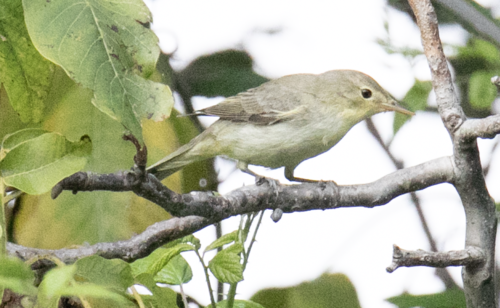 felosa-icterina
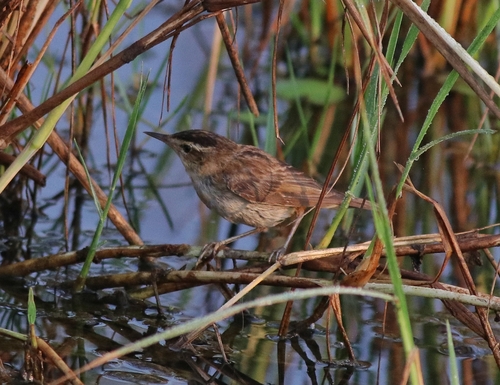 felosa-dos-juncos
Em resumo
A marca de campo mais confiável para separar a felosa-icterina da felosa-dos-juncos é a coloração geral e o padrão da cabeça: a felosa-icterina é uma grande felosa verde-acinzentada com um ventre amarelo pálido uniforme, um supercílios amarelo vago e um bico grande e largo, enquanto a felosa-dos-juncos é menor, marrom por cima com listras pesadas, um supercílios branco ousado e uma coroa riscada. As felosas-dos-juncos juvenis têm manchas escuras no peito, ao contrário da felosa-icterina. Em voo ou empoleirada, a felosa-icterina exibe um painel de asa pálido nas bordas das secundárias e terciárias, ausente na felosa-dos-juncos. A estrutura também difere: a felosa-icterina tem asas mais longas, com uma cauda mais quadrada e uma cabeça maior, enquanto a felosa-dos-juncos é mais compacta e pontuda. O habitat e o comportamento podem ajudar: a felosa-dos-juncos está quase sempre em ou perto de juncos e vegetação de áreas úmidas, enquanto a felosa-icterina prefere árvores e arbustos longe da água.
Dicas de identificação
- Manchas no peito em juvenis: Apenas a felosa-dos-juncos juvenil mostra manchas escuras no peito. Qualquer felosa com um peito manchado no final do verão/outono não é a felosa-icterina.
- Listras nas partes superiores: A felosa-dos-juncos de todas as idades tem um dorso e coroa marrons listrados; a felosa-icterina é cinza-acinzentada acima, sem listras.
- Supercílios: A felosa-dos-juncos tem um supercílios branco ousado que vai do bico até atrás do olho, contrastando com uma coroa escura e riscada. O supercílios da felosa-icterina é fraco, amarelado e menos definido, com um anel ocular pálido e sem listras na coroa.
- Painel de asa: Procure um painel pálido na asa dobrada (bordas das secundárias e terciárias) na felosa-icterina, ausente na felosa-dos-juncos. Isso é visível em todas as idades da felosa-icterina.
- Cor das partes inferiores: A felosa-icterina é uniformemente amarela pálida por baixo; a felosa-dos-juncos é pálida, mas não amarela, e os juvenis podem mostrar manchas no peito.
- Formato do bico: A felosa-icterina tem um bico grande e largo, notavelmente mais pesado que o bico pontudo e fino da felosa-dos-juncos.
- Estrutura da cabeça e do corpo: A felosa-icterina é maior, com uma cabeça grande, asas longas e uma cauda curta e quadrada. A felosa-dos-juncos é menor, mais compacta, com uma testa achatada e uma cauda mais pontuda.
- Cor das pernas: As pernas da felosa-icterina são cinzas, às vezes azuladas; as pernas da felosa-dos-juncos são acinzentadas, mas isso é menos distintivo do que outras marcas.
- Voo e jizz: A felosa-icterina é mais desajeitada e menos ágil que a felosa-dos-juncos, que é muito ativa, frequentemente empoleira-se em locais abertos e realiza voos de canto.
- Habitat: A felosa-dos-juncos está quase sempre em juncos ou vegetação de áreas úmidas; a felosa-icterina prefere árvores e arbustos, muitas vezes longe da água.
- Comportamento vocal: A felosa-dos-juncos é extremamente vocal, com uma canção rápida e tagarela e chamados de alarme ruidosos, frequentemente emitidos de poleiros proeminentes ou em voo. A canção da felosa-icterina não é descrita aqui, então não confie nessa marca a menos que esteja familiarizado com ambas.
- Contexto sazonal: Ambas são migrantes de longa distância, mas a felosa-dos-juncos é muito mais provável de ser encontrada em juncos na primavera e no verão; a felosa-icterina é mais frequentemente encontrada em áreas arborizadas ou arbustivas durante a migração ou reprodução.
- Padrão da coroa: A felosa-dos-juncos tem uma coroa riscada, às vezes com uma faixa central pálida; a coroa da felosa-icterina é simples.
- Cor do rabo: A felosa-dos-juncos tem um rabo marrom quente e sem listras, mas isso é sutil e menos útil do que outras marcas.
- Risco de confusão: Em pouca luz ou à distância, as partes inferiores amareladas e as partes superiores simples da felosa-icterina são as melhores verificações rápidas; as costas listradas e o supercílios ousado da felosa-dos-juncos são os melhores para ela. Sempre verifique múltiplas características, especialmente no outono, quando ambas podem parecer desgastadas.
Tamanho
felosa-icterina is noticeably larger and bulkier than felosa-dos-juncos. While felosa-dos-juncos measures 11.5–13 cm in length and weighs around 12 g [wikipedia], felosa-icterina is described as a 'fairly big warbler' with a large head and long wings, giving it a more robust and elongated appearance. In the field, Icterine's size and structure are more reminiscent of a Hippolais warbler, whereas felosa-dos-juncos is more compact and slight, typical of Acrocephalus warblers.
Plumagem
-
Juvenile/immature birds: Juvenile Sedge Warblers show dark spots on the breast, a mark not found on felosa-icterina at any age. felosa-dos-juncos of all ages has a heavily streaked brown back and crown, and a bold, pale supercilium. felosa-icterina, by contrast, is greyish-green above and uniformly pale yellow below, lacking streaks or spots on the underparts, and has only a vague yellowish supercilium and pale lores.
-
Wing pattern: felosa-icterina (all ages) shows a pale panel on the folded wing, created by pale edges to the secondaries and tertials. felosa-dos-juncos lacks this panel; its wings are brown and streaked, blending with the back.
-
Adults: felosa-icterina's underparts are a clean, uniform light yellow, while felosa-dos-juncos's are pale but not yellow, and the upperparts are always streaked in Sedge but plain in Icterine. felosa-dos-juncos's rump is warm brown and unstreaked, but this is subtle compared to the overall streaked look.
-
Head pattern: felosa-dos-juncos has a prominent whitish supercilium and a streaked crown; Icterine's supercilium is faint and yellowish, with a pale eye-ring and no crown streaking.
Comportamento
A felosa-icterina é geralmente solitária, forrageando desajeitadamente entre a folhagem, às vezes caçando insetos em voo, e é territorial tanto em áreas de reprodução quanto de invernada. Ela é menos ágil do que as felosas menores do gênero Phylloscopus. A felosa-dos-juncos é mais frequentemente vista em vegetação baixa e densa, especialmente juncos, e é altamente ativa, frequentemente cantando de poleiros expostos ou em voos de canto. Os voos de canto da felosa-dos-juncos, com uma descida em paraquedas e asas mantidas em 'V', são distintos e não são realizados pela felosa-icterina.
Habitat
A felosa-dos-juncos está fortemente associada a áreas úmidas, juncos e vegetação à beira da água durante toda a temporada de reprodução. Ela raramente é encontrada longe desses habitats. A felosa-icterina, em contraste, se reproduz e forrageia em árvores e arbustos, muitas vezes longe da água, e não é uma especialista em juncos. Se você encontrar uma felosa do tipo Hippolais em um juncal, é muito mais provável que seja uma felosa-dos-juncos; inversamente, uma grande felosa em uma árvore ou arbusto folhosos longe da água é mais provável que seja uma felosa-icterina.
Voz
A felosa-dos-juncos é altamente vocal, com uma canção distinta, rápida e tagarela, frequentemente emitida de um poleiro ou em voo. A canção é variável, inclui imitações e é composta de frases aleatórias. Seu chamado de alarme é um 'chirr' ou 'kerr' ruidoso. As vocalizações da felosa-icterina não são descritas nas notas fornecidas, portanto, não podem ser contrastadas de forma confiável aqui.