

Zarcero Icterino vs Carricerín Común
Hippolais icterina frente a Acrocephalus schoenobaenus
Juega un quiz con Zarcero Icterino y Carricerín Común
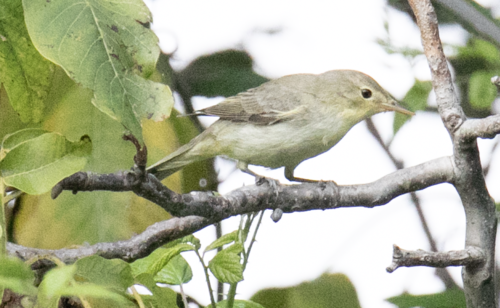 Zarcero Icterino
 Carricerín Común
En breve
La marca de campo más confiable para separar el Zarcero Icterino del Carricerín Común es la coloración general y el patrón de la cabeza: el Zarcero Icterino es un zarcero grande, de color gris verdoso, con un vientre uniformemente amarillo pálido, un supercilio amarillento vago y un pico grande y de base ancha, mientras que el Carricerín Común es más pequeño, marrón por encima con estrías marcadas, un supercilio blanquecino audaz y una corona estriada. Los Zarcero Icterinos juveniles tienen manchas oscuras en el pecho, a diferencia del Icterino. En vuelo o posado, el Zarcero Icterino muestra un panel de alas pálido desde los bordes de las secundarias y terciarias, ausente en el Carricerín Común. La estructura también difiere: el Icterino tiene alas más largas, con una cola más cuadrada y una cabeza más grande, mientras que el Carricerín Común es más compacto y puntiagudo. El hábitat y el comportamiento pueden ayudar: el Carricerín Común está casi siempre en o cerca de juncos y vegetación de humedales, mientras que el Zarcero Icterino prefiere árboles y arbustos alejados del agua.
Consejos de identificación
- Manchas en el pecho en juveniles: Solo el Carricerín Común juvenil muestra manchas oscuras en el pecho. Cualquier zarcero con un pecho manchado a finales de verano/otoño no es Icterino.
- Estrías en la parte superior: El Carricerín Común de todas las edades tiene un dorso y corona marrones estriados; el Zarcero Icterino es de un gris verdoso uniforme por encima sin estrías.
- Supercilio: El Carricerín Común tiene un supercilio blanquecino audaz que va desde el pico hasta detrás del ojo, contrastando con una corona oscura y estriada. El supercilio del Zarcero Icterino es tenue, amarillento y menos definido, con un anillo ocular pálido y sin estrías en la corona.
- Panel de alas: Busca un panel pálido en el ala plegada (bordes de las secundarias y terciarias) en el Zarcero Icterino, ausente en el Carricerín Común. Esto es visible en todas las edades del Icterino.
- Color de la parte inferior: El Zarcero Icterino es uniformemente amarillo pálido por debajo; el Carricerín Común es pálido pero no amarillo, y los juveniles pueden mostrar manchas en el pecho.
- Forma del pico: El Zarcero Icterino tiene un pico grande y de base ancha, notablemente más pesado que el pico puntiagudo y fino del Carricerín Común.
- Estructura de la cabeza y el cuerpo: El Zarcero Icterino es más grande, con una cabeza grande, alas largas y una cola corta y de extremo cuadrado. El Carricerín Común es más pequeño, más compacto, con una frente aplanada y una cola más puntiaguda.
- Color de las patas: Las patas del Zarcero Icterino son grises, a veces azuladas; las patas del Carricerín Común son grisáceas, pero esto es menos distintivo que otras marcas.
- Vuelo y jizz: El Zarcero Icterino es más torpe y menos ágil que el Carricerín Común, que es muy activo, a menudo se posa a la vista y realiza vuelos de canto.
- Hábitat: El Carricerín Común está casi siempre en juncos o vegetación de humedales; el Zarcero Icterino prefiere árboles y arbustos, a menudo alejados del agua.
- Comportamiento vocal: El Carricerín Común es extremadamente vocal, con una canción rápida y parloteante y llamadas de alarma ruidosas, a menudo emitidas desde posaderos prominentes o en vuelo. La canción del Icterino no se describe aquí, así que no confíes en esta marca a menos que estés familiarizado con ambos.
- Contexto estacional: Ambos son migrantes de larga distancia, pero el Carricerín Común es mucho más probable que esté en los juncos en primavera y verano; el Zarcero Icterino se encuentra más a menudo en áreas boscosas o arbustivas durante la migración o la cría.
- Patrón de la corona: El Carricerín Común tiene una corona estriada, a veces con una franja central pálida; la corona del Icterino es lisa.
- Color del rabadilla: El Carricerín Común tiene una rabadilla marrón cálido y sin estrías, pero esto es sutil y menos útil que otras marcas.
- Riesgo de confusión: En luz pobre o desde una distancia, las partes inferiores amarillentas del Icterino y las partes superiores lisas son las mejores comprobaciones rápidas; el dorso estriado del Carricerín Común y su supercilio audaz son los mejores para él. Siempre verifica múltiples características, especialmente en otoño cuando ambos pueden parecer desgastados.
Tamaño
Zarcero Icterino is noticeably larger and bulkier than Carricerín Común. While Carricerín Común measures 11.5–13 cm in length and weighs around 12 g [wikipedia], Zarcero Icterino is described as a 'fairly big warbler' with a large head and long wings, giving it a more robust and elongated appearance. In the field, Icterine's size and structure are more reminiscent of a Hippolais warbler, whereas Carricerín Común is more compact and slight, typical of Acrocephalus warblers.
Plumaje
-
Juvenile/immature birds: Juvenile Sedge Warblers show dark spots on the breast, a mark not found on Zarcero Icterino at any age. Carricerín Común of all ages has a heavily streaked brown back and crown, and a bold, pale supercilium. Zarcero Icterino, by contrast, is greyish-green above and uniformly pale yellow below, lacking streaks or spots on the underparts, and has only a vague yellowish supercilium and pale lores.
-
Wing pattern: Zarcero Icterino (all ages) shows a pale panel on the folded wing, created by pale edges to the secondaries and tertials. Carricerín Común lacks this panel; its wings are brown and streaked, blending with the back.
-
Adults: Zarcero Icterino's underparts are a clean, uniform light yellow, while Carricerín Común's are pale but not yellow, and the upperparts are always streaked in Sedge but plain in Icterine. Carricerín Común's rump is warm brown and unstreaked, but this is subtle compared to the overall streaked look.
-
Head pattern: Carricerín Común has a prominent whitish supercilium and a streaked crown; Icterine's supercilium is faint and yellowish, with a pale eye-ring and no crown streaking.
Comportamiento
El Zarcero Icterino es generalmente solitario, forrajeando torpemente entre el follaje, a veces cazando insectos en el aire, y es territorial tanto en las áreas de cría como en las de invernada. Es menos ágil que los zarcero más pequeños del género Phylloscopus. El Carricerín Común se ve más a menudo en vegetación baja y densa, especialmente en juncos, y es muy activo, a menudo cantando desde posaderos expuestos o en vuelos de canto. Los vuelos de canto del Carricerín Común, con un descenso en paracaídas y alas en forma de 'V', son distintivos y no son realizados por el Zarcero Icterino.
Hábitat
El Carricerín Común está fuertemente asociado con humedales, juncales y vegetación ribereña durante toda la temporada de cría. Rara vez se encuentra lejos de tales hábitats. El Zarcero Icterino, en contraste, cría y forrajea en árboles y arbustos, a menudo lejos del agua, y no es un especialista en juncales. Si encuentras un zarcero del tipo Hippolais en un juncal, es mucho más probable que sea un Carricerín Común; por el contrario, un zarcero grande en un árbol o arbusto frondoso lejos del agua es más probable que sea un Icterino.
Voz
El Carricerín Común es altamente vocal, con una canción distintiva, rápida y parloteante que a menudo se entrega desde un posadero o en vuelo. La canción es variable, incluye mimetismo y está compuesta de frases aleatorias. Su llamada de alarma es un 'chirr' o 'kerr' ruidoso. Las vocalizaciones del Zarcero Icterino no se describen en las notas proporcionadas, por lo que no se pueden contrastar de manera confiable aquí.