

felosinha-ibérica vs felosa-verde
Phylloscopus ibericus versus Phylloscopus trochiloides
Jogue um quiz com felosinha-ibérica e felosa-verde
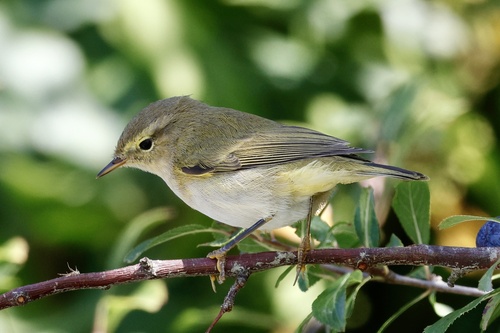 felosinha-ibérica
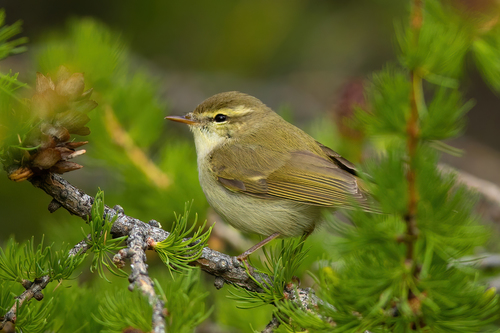 felosa-verde
Em resumo
A marca de campo mais confiável entre a felosinha-ibérica e a felosa-verde é a presença de uma clara barra alar única na maioria das felosas-verdes, que está ausente na felosinha-ibérica de todas as idades. A felosinha-ibérica apresenta uma parte superior verde mais brilhante e limpa e um peito amarelo, enquanto a felosa-verde é de um verde acinzentado mais opaco acima e quase branca abaixo. A estrutura é semelhante, mas a felosa-verde tende a ser ligeiramente menor e com bico mais esguio. A voz e o habitat podem ajudar, mas na Europa Ocidental, a felosa-verde é um migrante ou vagante raro, enquanto a felosinha-ibérica é uma criadora local. Foque no padrão das asas, no tom da parte superior e na cor da parte inferior para a separação mais prática.
Dicas de identificação
- Verifique a barra alar: A felosa-verde (todas as idades, especialmente populações ocidentais) apresenta uma clara barra alar única pálida nas coberturas maiores, às vezes com uma segunda barra fraca. A felosinha-ibérica sempre carece de barras alares. Esta é a separação mais rápida e confiável, especialmente no outono ou com aves imaturas.
- Cor da parte superior: A felosinha-ibérica tem partes superiores verdes mais brilhantes e limpas, sem tom marrom, enquanto a felosa-verde é mais opaca, de um verde acinzentado acima.
- Cor da parte inferior: A felosinha-ibérica apresenta um peito amarelo e uma barriga branca, frequentemente lembrando a felosa-musical, enquanto a felosa-verde é quase branca abaixo, às vezes com um tom amarelado na garganta e no peito, mas geralmente menos brilhante.
- Faixa ocular e supercílios: A felosinha-ibérica tem uma distinta faixa ocular escura, realçando a aparência semelhante à da felosa-musical. O supercílio da felosa-verde é mais amarelado e menos definido, com uma faixa ocular menos contrastante.
- Estrutura do bico: O bico da felosa-verde é ligeiramente mais fino e carece de uma ponta escura na mandíbula inferior, mas isso é sutil e nem sempre visível em campo.
- Canto: O canto da felosinha-ibérica é uma série rápida e monótona com estalos e apitos prolongados, não o clássico 'chiff-chaff'. O canto da felosa-verde é um trinado alto e irregular, às vezes com notas arrastadas, e é mais uniforme e trinado. Se você ouvir um clássico 'chiff-chaff', não é nenhuma dessas.
- Tamanho e forma: A felosa-verde é marginalmente menor e com bico mais esguio, mas essa é uma diferença menor e não confiável sem comparação direta.
- Habitat e distribuição: Na Europa Ocidental, a felosinha-ibérica é uma criadora local; a felosa-verde é um migrante ou vagante raro, então o contexto pode ajudar, mas não é uma marca de campo.
- Visões em voo: Em voo, a(s) barra(s) alar(es) da felosa-verde podem ser conspícuas, enquanto as asas da felosinha-ibérica são simples.
- Estação: No outono, a felosa-verde é mais provável como vagante, mas a felosinha-ibérica é residente/reprodutora em sua área. Use isso como evidência de apoio, não como uma marca primária.
- Aves juvenis: A presença ou ausência de uma barra alar é especialmente útil em juvenis e primeiros invernos, pois outras características da plumagem podem ser menos distintas.
- Armadilhas: Não confunda o peito amarelo e a barriga branca da felosinha-ibérica com a parte inferior quase branca da felosa-verde; o brilho geral e o tom verde são fundamentais.
- Confusão de supercílios: Ambas podem apresentar um supercílio pálido, mas o da felosa-verde é mais amarelado e menos definido.
- Bandos mistos: Se vistas com outras felosas do gênero Phylloscopus, compare diretamente para a barra alar e a cor da parte superior.
- Quando em dúvida: Se a ave mostrar qualquer barra alar, descarte a felosinha-ibérica; se a ave for verde brilhante acima e com peito amarelo sem barra alar, a felosinha-ibérica é a favorita.
Tamanho
Ambas as espécies são pequenas felosas e amplamente semelhantes em tamanho, mas a felosa-verde é ligeiramente menor e com bico mais esguio em comparação com a felosinha-ibérica. Essa diferença é sutil e nem sempre confiável em campo, especialmente sem comparação direta. [wikipedia]
Plumagem
- Juvenil/Primeiro-inverno/Aves imaturas: A felosa-verde (especialmente populações ocidentais) geralmente apresenta uma distinta barra alar única pálida nas coberturas maiores, às vezes com uma segunda barra fraca, visível tanto empoleirada quanto em voo. A felosinha-ibérica não possui nenhuma barra alar em todas as idades, apresentando coberturas uniformes. Esta é a separação mais imediata em campo para aves não adultas.
- Adultos: A felosinha-ibérica tem partes superiores verdes limpas, sem tom marrom, um peito amarelo e uma barriga branca, frequentemente com uma distinta faixa ocular escura. A felosa-verde é mais opaca, de um verde acinzentado acima e quase branca abaixo, às vezes com um supercílio e garganta amarelados, mas geralmente menos brilhante que a felosinha-ibérica. A(s) barra(s) alar(es) continuam sendo uma marca chave em adultos também.
- Supercílios e faixa ocular: Ambas têm um supercílio, mas o da felosa-verde é frequentemente mais amarelado e menos definido do que a faixa ocular escura da felosinha-ibérica.
- Bico: O bico da felosa-verde é mais fino e carece de uma ponta escura na mandíbula inferior, mas isso é sutil e nem sempre visível.
Comportamento
Ambas as espécies são forrageadoras ativas e inquietas na folhagem, típicas das felosas do gênero Phylloscopus. Nenhuma diferença comportamental forte é notada nas fontes. Ambas batem as asas e as caudas, mas não mostram diferenças de jizz distintivas que sejam diagnósticas entre as duas.
Habitat
A felosinha-ibérica se reproduz no sudoeste da Europa e no noroeste da África, preferindo florestas e arbustos. A felosa-verde se reproduz no nordeste da Europa e em toda a Ásia continental, tipicamente em florestas decíduas ou mistas de planície, e é um vagante raro na Europa Ocidental. Na Europa Ocidental, encontrar uma felosa-verde na época de reprodução é altamente improvável; o contexto pode ser uma pista, mas não é uma marca de campo.
Voz
O canto da felosinha-ibérica não é o clássico 'chiff-chaff', mas uma série mais rápida e monótona com estalos e apitos prolongados ("chiff-chiff-chiff-chiff-dr-dr-dr-dr-swit-swit-swit"). O canto da felosa-verde é um trinado alto e irregular, às vezes com notas arrastadas ou ascendentes, e é mais uniforme e trinado do que o da felosinha-ibérica. Chamadas não são descritas como diagnósticas entre essas duas, mas a estrutura do canto pode ajudar se for bem ouvida.