

Mosquitero Ibérico vs Mosquitero Verdoso
Phylloscopus ibericus frente a Phylloscopus trochiloides
Juega un quiz con Mosquitero Ibérico y Mosquitero Verdoso
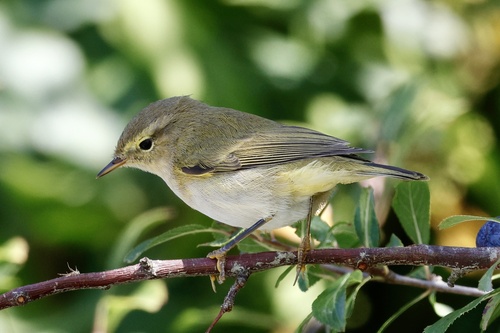 Mosquitero Ibérico
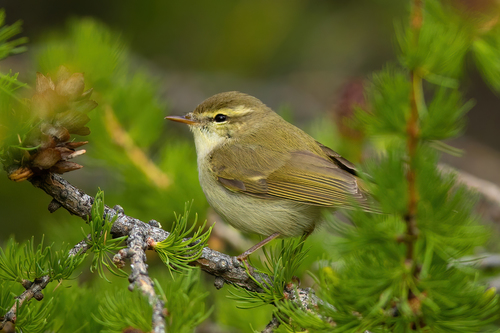 Mosquitero Verdoso
En breve
La marca de campo más confiable entre el Mosquitero Ibérico y el Mosquitero Verdoso es la presencia de una clara barra alar simple en la mayoría de los Mosquiteros Verdosos, que está ausente en el Mosquitero Ibérico de todas las edades. El Mosquitero Ibérico muestra una parte superior verde más brillante y limpia y un pecho amarillo, mientras que el Mosquitero Verdoso es de un gris verdoso más apagado arriba y blanco sucio abajo. La estructura es similar, pero el Mosquitero Verdoso tiende a ser ligeramente más pequeño y con un pico más delgado. La voz y el hábitat pueden ayudar, pero en Europa Occidental, el Mosquitero Verdoso es un migrante o vagabundo raro, mientras que el Mosquitero Ibérico es un reproductor local. Concéntrate en el patrón de las alas, el tono de la parte superior y el color de la parte inferior para la separación más práctica.
Consejos de identificación
- Verifica si hay una barra alar: El Mosquitero Verdoso (todas las edades, especialmente las poblaciones occidentales) muestra una clara barra alar simple pálida en las cobertoras mayores, a veces con una segunda barra débil. El Mosquitero Ibérico siempre carece de barras alares. Esta es la separación más rápida y confiable, especialmente en otoño o con aves inmaduras.
- Color de la parte superior: El Mosquitero Ibérico tiene partes superiores verdes más brillantes y limpias sin matiz marrón, mientras que el Mosquitero Verdoso es más apagado, de un gris verdoso arriba.
- Color de la parte inferior: El Mosquitero Ibérico muestra un pecho amarillo y un vientre blanco, a menudo reminiscentes del Mosquitero Musical, mientras que el Mosquitero Verdoso es blanco sucio abajo, a veces con un lavado amarillento en la garganta y el pecho, pero generalmente menos brillante.
- Franja ocular y supercilio: El Mosquitero Ibérico tiene una distintiva franja ocular oscura, que realza el aspecto similar al Mosquitero Musical. El supercilio del Mosquitero Verdoso es más amarillento y menos definido, con una franja ocular menos contrastante.
- Estructura del pico: El pico del Mosquitero Verdoso es ligeramente más delgado y carece de una punta oscura en la mandíbula inferior, pero esto es sutil y no siempre visible en el campo.
- Canto: El canto del Mosquitero Ibérico es una serie rápida y monótona con traqueteos y silbidos prolongados, no el clásico 'chiff-chaff'. El canto del Mosquitero Verdoso es un trino alto y entrecortado, a veces con notas arrastradas, y es más uniforme y trino. Si escuchas un clásico 'chiff-chaff', no es ninguno de estos.
- Tamaño y forma: El Mosquitero Verdoso es marginalmente más pequeño y con un pico más delgado, pero esta es una diferencia menor y no confiable sin comparación directa.
- Hábitat y distribución: En Europa Occidental, el Mosquitero Ibérico es un reproductor local; el Mosquitero Verdoso es un migrante o vagabundo raro, por lo que el contexto puede ayudar pero no es una marca de campo.
- Vistas en vuelo: En vuelo, la(s) barra(s) alar(es) del Mosquitero Verdoso pueden ser conspicuas, mientras que las alas del Mosquitero Ibérico son simples.
- Temporada: En otoño, el Mosquitero Verdoso es más probable como vagabundo, pero el Mosquitero Ibérico es residente/reproductor en su área. Usa esto como evidencia de apoyo, no como una marca primaria.
- Aves juveniles: La presencia o ausencia de una barra alar es especialmente útil en juveniles y primeros inviernos, ya que otras características del plumaje pueden ser menos distintas.
- Trampas: No confundas el pecho amarillo y el vientre blanco del Mosquitero Ibérico con las partes inferiores blancas sucias del Mosquitero Verdoso; el brillo general y el tono verde son clave.
- Confusión del supercilio: Ambos pueden mostrar un supercilio pálido, pero el del Mosquitero Verdoso es más amarillento y menos definido.
- Bandadas mixtas: Si se ven con otros mosquiteros del género Phylloscopus, compara directamente para la barra alar y el color de la parte superior.
- Cuando tengas dudas: Si el ave muestra alguna barra alar, descarta el Mosquitero Ibérico; si el ave es de un verde brillante arriba y con pecho amarillo sin barra alar, se prefiere el Mosquitero Ibérico.
Tamaño
Ambas especies son pequeños mosquiteros y son ampliamente similares en tamaño, pero el Mosquitero Verdoso es ligeramente más pequeño y con un pico más delgado en comparación con el Mosquitero Ibérico. Esta diferencia es sutil y no siempre confiable en el campo, especialmente sin comparación directa. [wikipedia]
Plumaje
- Aves juveniles/primer invierno/inmaduras: El Mosquitero Verdoso (especialmente las poblaciones occidentales) típicamente muestra una clara barra alar simple pálida en las cobertoras mayores, a veces con una segunda barra débil, visible tanto posado como en vuelo. El Mosquitero Ibérico carece de cualquier barra alar en todas las edades, mostrando cobertoras uniformes. Esta es la separación más inmediata en el campo para aves no adultas.
- Adultos: El Mosquitero Ibérico tiene partes superiores verdes limpias sin matiz marrón, un pecho amarillo y un vientre blanco, a menudo con una distintiva franja ocular oscura. El Mosquitero Verdoso es más apagado, de un gris verdoso arriba y blanco sucio abajo, a veces con un supercilio y garganta amarillentos, pero generalmente menos brillante que el Mosquitero Ibérico. La(s) barra(s) alar(es) siguen siendo una marca clave en los adultos también.
- Supercilio y franja ocular: Ambos tienen un supercilio, pero el del Mosquitero Verdoso es a menudo más amarillento y menos definido que la franja ocular oscura del Mosquitero Ibérico.
- Pico: El pico del Mosquitero Verdoso es más delgado y carece de una punta oscura en la mandíbula inferior, pero esto es sutil y no siempre visible.
Comportamiento
Ambas especies son forrajeadores activos e inquietos en el follaje, típico de los mosquiteros del género Phylloscopus. No se notan diferencias de comportamiento fuertes en las fuentes. Ambas agitan las alas y las colas, pero no muestran diferencias distintivas de jizz que sean diagnósticas entre las dos.
Hábitat
El Mosquitero Ibérico cría en el suroeste de Europa y el noroeste de África, favoreciendo bosques y matorrales. El Mosquitero Verdoso cría en el noreste de Europa y a través de Asia continental, típicamente en bosques deciduos o mixtos de tierras bajas, y es un vagabundo raro en Europa Occidental. En Europa Occidental, encontrar un Mosquitero Verdoso en la temporada de cría es muy poco probable; el contexto puede ser una pista, pero no una marca de campo.
Voz
El canto del Mosquitero Ibérico no es el clásico 'chiff-chaff' sino una serie más rápida y monótona con traqueteos y silbidos prolongados ("chiff-chiff-chiff-chiff-dr-dr-dr-dr-swit-swit-swit"). El canto del Mosquitero Verdoso es un trino alto y entrecortado, a veces con notas arrastradas hacia abajo o hacia arriba, y es más uniforme y trino que el del Mosquitero Ibérico. Los llamados no se describen como diagnósticos entre estos dos, pero la estructura del canto puede ayudar si se escucha bien.
Mosquitero Ibérico · Mosquitero Verdoso · Mis aves difíciles