

Luì iberico vs Luì verdastro
Phylloscopus ibericus contro Phylloscopus trochiloides
Fai un quiz con Luì iberico e Luì verdastro
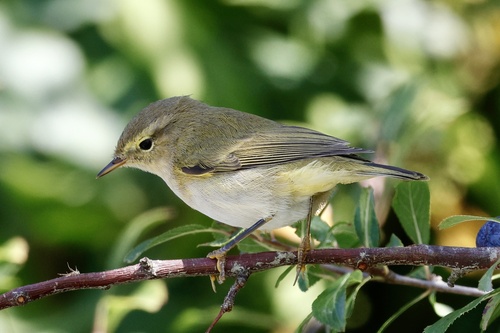 Luì iberico
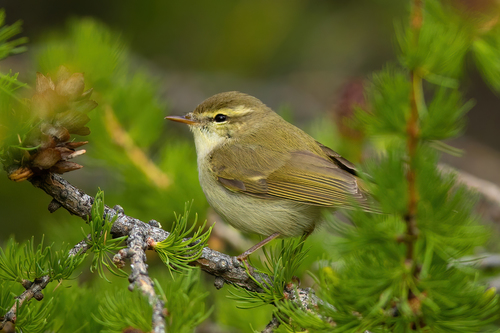 Luì verdastro
In breve
Il segno di campo più affidabile tra Luì iberico e Luì verdastro è la presenza di una chiara barra alare singola su molti Luì verdastri, assente nel Luì iberico di tutte le età. Il Luì iberico mostra una parte superiore verde più brillante e pulita e un petto giallo, mentre il Luì verdastro è di un verde grigiastro più opaco sopra e bianco sporco sotto. La struttura è simile, ma il Luì verdastro tende a essere leggermente più piccolo e con un becco più snello. La voce e l'habitat possono aiutare, ma nell'Europa occidentale, il Luì verdastro è un migratore o vagrante raro, mentre il Luì iberico è un riproduttore locale. Concentrati sul modello delle ali, sul tono della parte superiore e sul colore della parte inferiore per la separazione più pratica.
Consigli di identificazione
- Controlla la barra alare: Il Luì verdastro (tutte le età, specialmente le popolazioni occidentali) mostra una chiara barra alare singola pallida sulle copritrici maggiori, a volte con una seconda barra debole. Il Luì iberico manca sempre di barre alari. Questa è la separazione più rapida e affidabile, specialmente in autunno o con uccelli immaturi.
- Colore della parte superiore: Il Luì iberico ha parti superiori verdi più brillanti e pulite senza tonalità marrone, mentre il Luì verdastro è più opaco, di un verde grigiastro sopra.
- Colore della parte inferiore: Il Luì iberico mostra un petto giallo e un ventre bianco, spesso simile al Luì grosso, mentre il Luì verdastro è bianco sporco sotto, a volte con una sfumatura giallastra sulla gola e sul petto ma generalmente meno brillante.
- Striscia oculare e supercilio: Il Luì iberico ha una distinta striscia oculare scura, che migliora l'aspetto simile al Luì grosso. Il supercilio del Luì verdastro è più giallastro e meno definito, con una striscia oculare meno contrastante.
- Struttura del becco: Il becco del Luì verdastro è leggermente più sottile e manca di una punta scura sulla mandibola inferiore, ma questo è sottile e non sempre visibile in campo.
- Canto: Il canto del Luì iberico è una serie veloce e monotona con rumori e fischi prolungati, non il classico 'chiff-chaff'. Il canto del Luì verdastro è un trillo alto e irregolare, a volte con note sfumate, ed è più uniforme e gorgheggiante. Se senti un classico 'chiff-chaff', non è nessuno di questi.
- Dimensioni e forma: Il Luì verdastro è marginalmente più piccolo e con un becco più snello, ma questa è una differenza minore e non affidabile senza un confronto diretto.
- Habitat e distribuzione: Nell'Europa occidentale, il Luì iberico è un riproduttore locale; il Luì verdastro è un migratore o vagrante raro, quindi il contesto può aiutare ma non è un segno di campo.
- Viste in volo: In volo, la barra alare del Luì verdastro può essere evidente, mentre le ali del Luì iberico sono semplici.
- Stagione: In autunno, il Luì verdastro è più probabile come vagrante, ma il Luì iberico è residente/riproduttore nel suo areale. Usa questo come prova di supporto, non come segno principale.
- Uccelli giovani: La presenza o l'assenza di una barra alare è particolarmente utile nei giovani e nei primi inverni, poiché altre caratteristiche del piumaggio possono essere meno distinte.
- Trappole: Non confondere il petto giallo e il ventre bianco del Luì iberico con la parte inferiore bianco sporco del Luì verdastro; la luminosità complessiva e il tono verde sono fondamentali.
- Confusione del supercilio: Entrambi possono mostrare un supercilio pallido, ma quello del Luì verdastro è più giallastro e meno definito.
- Fagotti misti: Se visti con altri luì, confronta direttamente per la barra alare e il colore della parte superiore.
- Quando hai dubbi: Se l'uccello mostra una barra alare, escludi il Luì iberico; se l'uccello è verde brillante sopra e con il petto giallo senza barra alare, il Luì iberico è favorito.
Taglia
Entrambe le specie sono piccoli luì e sono ampiamente simili in dimensioni, ma il Luì verdastro è leggermente più piccolo e con un becco più snello rispetto al Luì iberico. Questa differenza è sottile e non sempre affidabile in campo, specialmente senza un confronto diretto. [wikipedia]
Piumaggio
- Giovani/Primo inverno/Uccelli immaturi: Il Luì verdastro (specialmente le popolazioni occidentali) mostra tipicamente una chiara barra alare singola pallida sulle copritrici maggiori, a volte con una seconda barra debole, visibile sia in posizione per chiara che in volo. Il Luì iberico non ha alcuna barra alare a tutte le età, mostrando copritrici uniformi. Questa è la separazione più immediata in campo per gli uccelli non adulti.
- Adulti: Il Luì iberico ha parti superiori verdi pulite senza tonalità marrone, un petto giallo e un ventre bianco, spesso con una distinta striscia oculare scura. Il Luì verdastro è più opaco, di un verde grigiastro sopra e bianco sporco sotto, a volte con un supercilio e una gola giallastri, ma generalmente meno brillanti del Luì iberico. Le barre alari rimangono un segno chiave anche negli adulti.
- Supercilio e striscia oculare: Entrambi hanno un supercilio, ma quello del Luì verdastro è spesso più giallastro e meno definito rispetto alla striscia oculare scura del Luì iberico.
- Becco: Il becco del Luì verdastro è più sottile e manca di una punta scura sulla mandibola inferiore, ma questo è sottile e non sempre visibile.
Comportamento
Entrambe le specie sono foraggiatori attivi e irrequieti nel fogliame, tipici dei luì. Non si notano forti differenze comportamentali nelle fonti. Entrambi muovono le ali e le code ma non mostrano differenze distintive di jizz che siano diagnostiche tra i due.
Habitat
Il Luì iberico nidifica nel sud-ovest dell'Europa e nel nord-ovest dell'Africa, preferendo boschi e cespugli. Il Luì verdastro nidifica nel nord-est dell'Europa e attraverso l'Asia continentale, tipicamente in foreste decidue o miste di pianura, ed è un raro vagrante nell'Europa occidentale. Nell'Europa occidentale, trovare un Luì verdastro in stagione di nidificazione è altamente improbabile; il contesto può essere un indizio, ma non è un segno di campo.
Voce
Il canto del Luì iberico non è il classico 'chiff-chaff' ma una serie più veloce e monotona con rumori e fischi prolungati ("chiff-chiff-chiff-chiff-dr-dr-dr-dr-swit-swit-swit"). Il canto del Luì verdastro è un trillo alto e irregolare, a volte con note sfumate, ed è più uniforme e gorgheggiante rispetto al Luì iberico. I richiami non sono descritti come diagnostici tra questi due, ma la struttura del canto può aiutare se ascoltata bene.