

house finch vs cruza-bico
Haemorhous mexicanus versus Loxia curvirostra
Jogue um quiz com house finch e cruza-bico
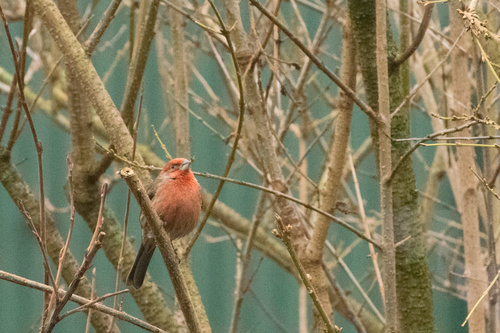 house finch
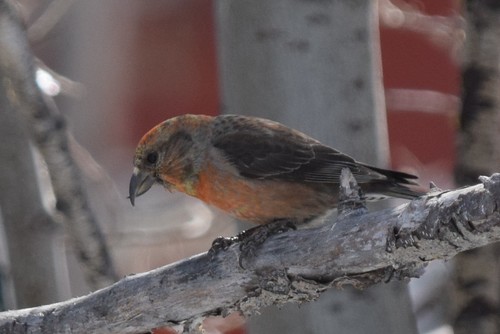 cruza-bico
Em resumo
A maneira mais confiável de separar o house finch do cruza-bico em campo é pela forma do bico: o cruza-bico tem um bico único, obviamente cruzado, enquanto o bico do house finch é reto e cônico. Machos adultos de ambos podem mostrar tons vermelhos, mas os machos do house finch são estriados na parte inferior e nunca têm um bico cruzado. Fêmeas e imaturos de ambos são estriados em tons marrons ou acinzentados, mas o cruza-bico sempre mostra o bico distintivo e uma cabeça mais robusta, parecida com a de um papagaio. Em voo ou empoleirados, o cruza-bico não possui barras nas asas (diferente de alguns parentes do cruza-bico), e o house finch tem asas marrons simples. O tamanho e a estrutura são semelhantes, mas o cruza-bico é mais robusto e mais forte, especialmente na cabeça e no bico. O habitat pode ajudar: o house finch é comum em habitats urbanos e abertos, enquanto o cruza-bico está ligado a florestas de coníferas e é altamente nômade.
Dicas de identificação
- Forma do bico (todas as idades): O cruza-bico tem um bico grosso, parecido com o de um papagaio, com as pontas cruzadas; o house finch tem um bico fino, reto e cônico. Esta é a marca mais confiável em qualquer idade ou estação.
- Estrutura da cabeça e do rosto: A cabeça do cruza-bico é visivelmente mais robusta e profunda, com uma testa mais curva e uma base de bico pesada. O house finch tem uma testa mais plana e uma cabeça mais delicada, parecida com a de um pardal.
- Cor do macho adulto: Ambos podem mostrar vermelho, mas os machos do house finch são marrons na parte superior com vermelho restrito à cabeça, garganta e parte superior do peito, e sempre têm listras marrons fortes nos flancos e na barriga. Os machos do cruza-bico são vermelhos ou laranjas no geral, com menos listras e uma aparência mais uniforme.
- Cor da fêmea/imaturo: As fêmeas do house finch são marrons na parte superior, fortemente estriadas na parte inferior, com um rosto simples. As fêmeas do cruza-bico são esverdeadas ou amareladas, com menos listras e uma cabeça e bico mais robustos.
- Confusão juvenil/imaturo: Ambos são estriados e marrons, mas os juvenis do cruza-bico sempre têm o bico cruzado. Se o bico é reto, não é um cruza-bico.
- Padrão das asas (todas as idades): Ambas as espécies têm asas simples e escuras, sem barras nas asas ou painéis claros. Se você vê barras nas asas, não é nenhuma dessas.
- Forma da cauda: O house finch tem uma cauda longa e com ponta quadrada; a cauda do cruza-bico é mais curta e mais recortada, mas isso é sutil e nem sempre confiável em campo.
- Comportamento alimentar: O cruza-bico é frequentemente visto abrindo pinhas de coníferas, às vezes pendurado de cabeça para baixo. O house finch se alimenta de sementes, brotos e frutas, geralmente empoleirado de forma ereta ou no chão.
- Habitat: O house finch é comum em áreas urbanas, suburbanas e abertas; o cruza-bico é encontrado em florestas de coníferas e raramente em cidades ou terras agrícolas abertas.
- Estrutura do bando: Os cruza-bicos costumam se mover em bandos apertados e rápidos, altos nas árvores; os house finches são mais propensos a serem vistos em grupos soltos em comedouros ou em fios.
- Vocalizações: O canto do house finch é uma mistura musical; os chamados do cruza-bico são agudos, metálicos e não musicais. Os chamados são frequentemente a primeira pista em voo.
- Movimento sazonal: O house finch é residente e previsível; o cruza-bico é nômade e irruptivo, aparecendo apenas quando as colheitas de pinhas são boas.
- Dimorfismo sexual: Ambas as espécies mostram diferenças sexuais na cor, mas apenas o cruza-bico tem o bico cruzado em ambos os sexos.
- Contexto de localização: Se você estiver em uma floresta de coníferas, especialmente durante uma colheita de pinhas, espere encontrar o cruza-bico; em uma cidade ou floresta aberta, espere encontrar o house finch.
- Quando as marcas falham: Em luz fraca ou vistas distantes, concentre-se na forma do bico e na estrutura da cabeça. Se você não conseguir ver o bico claramente, tente ouvir um chamado ou observar o comportamento alimentar.
Tamanho
O house finch mede 12,5–15 cm de comprimento, com uma envergadura de 20–25 cm e uma massa média de 21 g [wikipedia]. O cruza-bico é semelhante em comprimento, mas é mais robusto, com uma cabeça visivelmente mais grossa e um corpo mais pesado. O bico do cruza-bico é muito maior e mais profundo, especialmente na base, dando à cabeça uma aparência mais volumosa. O house finch parece mais esguio e mais delicado no geral. Em mãos, o cruza-bico é mais pesado, mas em campo, a diferença está principalmente nas proporções da cabeça e do bico.
Plumagem
-
Juvenis/imaturos: Ambas as espécies são estriadas na parte inferior e marrons ou acinzentadas na parte superior, mas apenas os juvenis do cruza-bico têm o bico cruzado distintivo. Os juvenis do house finch têm um bico reto e cônico. Nenhuma das espécies mostra barras nas asas ou um padrão forte na parte superior nesta idade; ambas têm asas simples e escuras.
-
Machos adultos: Os machos do house finch são marrons na parte superior com vermelho na cabeça, garganta e parte superior do peito, às vezes se estendendo até a barriga e as costas, mas sempre com listras marrons fortes nos flancos e na barriga. Os machos do cruza-bico são vermelhos ou laranjas no geral, com menos listras na parte inferior, e sempre têm o bico cruzado. Ambos não têm barras nas asas.
-
Fêmeas adultas: As fêmeas do house finch são marrons na parte superior, fortemente estriadas na parte inferior, com um rosto simples e bico reto. As fêmeas do cruza-bico são esverdeadas ou amareladas, menos estriadas na parte inferior, e têm o bico cruzado e uma cabeça mais robusta.
-
Asas em voo: Ambas as espécies têm asas simples e escuras, sem barras nas asas ou painéis claros. O único cruza-bico na região com barras nas asas é o cruza-bico-listado, que não é abordado aqui.
Comportamento
Os house finches são frequentemente vistos em pequenos bandos, empoleirando-se em fios, comedouros ou arbustos, e são confortáveis ao redor de humanos. Seu voo é ondulante e leve. Os cruza-bicos são mais propensos a serem vistos em árvores de coníferas, muitas vezes altos na copa, usando seus bicos para abrir pinhas. Seu voo é forte e direto, com bandos se movendo entre as copas das árvores. Os cruza-bicos podem ficar pendurados de cabeça para baixo enquanto se alimentam, um comportamento raramente visto no house finch.
Habitat
O house finch é um generalista urbano e suburbano, encontrado em cidades, vilarejos, fazendas e florestas abertas em grande parte da América do Norte. Raramente é encontrado em florestas de coníferas profundas. O cruza-bico está intimamente ligado a florestas de coníferas, especialmente onde as colheitas de pinhas são abundantes. É altamente irruptivo e nômade, às vezes aparecendo longe de sua faixa típica, mas sempre em associação com coníferas. Se você estiver em uma cidade ou em terras agrícolas abertas, é improvável encontrar o cruza-bico; se você estiver profundamente em uma floresta de pinheiros ou abetos, o house finch é raro.
Voz
O canto do house finch é uma longa mistura musical que termina com um alto 'wheer', e os chamados são notas suaves de 'cheet' ou 'wheat'. Os chamados do cruza-bico são agudos e metálicos, 'jip-jip' ou 'kip-kip', frequentemente dados em voo, e seu canto raramente é ouvido e não é musical. Em campo, as notas de chamada são geralmente a melhor pista: o house finch é musical e doce, o cruza-bico é áspero e metálico.