

House Finch vs Crociere comune
Haemorhous mexicanus contro Loxia curvirostra
Fai un quiz con House Finch e Crociere comune
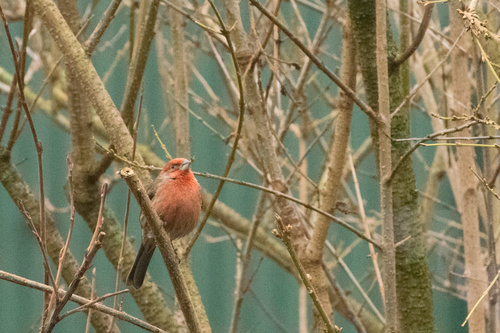 House Finch
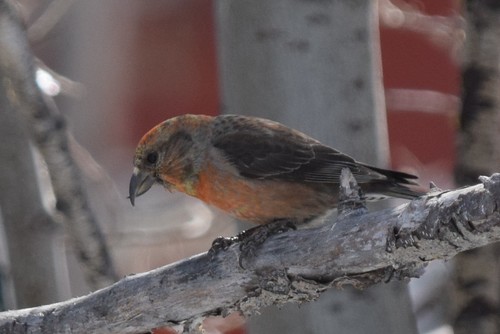 Crociere comune
In breve
Il modo più affidabile per separare House Finch da Crociere comune sul campo è la forma del becco: Crociere comune ha un becco unico, ovviamente incrociato, mentre il becco di House Finch è dritto e conico. I maschi adulti di entrambi possono mostrare toni rossi, ma i maschi di House Finch sono striati sotto e non hanno mai un becco incrociato. Le femmine e gli immaturi di entrambi sono striati di marrone o grigio, ma Crociere mostra sempre il becco distintivo e una testa più robusta, simile a quella di un pappagallo. In volo o appollaiato, Crociere non ha barre alari (a differenza di alcuni parenti delle crociere), e House Finch ha ali marroni semplici. La dimensione e la struttura sono simili, ma Crociere è più robusto e massiccio, specialmente nella testa e nel becco. L'habitat può aiutare: House Finch è comune in habitat urbani e aperti, mentre Crociere è legato a foreste di conifere ed è altamente nomade.
Consigli di identificazione
- Bill shape (all ages): Crociere ha un becco spesso, simile a quello di un pappagallo, con le punte che si incrociano; House Finch ha un becco sottile, dritto e conico. Questo è il segno più affidabile in qualsiasi età o stagione.
- Head and face structure: La testa di Crociere è notevolmente più massiccia e profonda, con una fronte più curva e una base del becco pesante. House Finch ha una fronte più piatta e una testa più delicata, simile a quella di un passero.
- Adult male color: Entrambi possono mostrare rosso, ma i maschi di House Finch sono marroni sopra con il rosso limitato alla testa, alla gola e al petto superiore, e hanno sempre forti striature marroni sui fianchi e sull'addome. I maschi di Crociere sono rossi o arancioni nel complesso, con meno striature e un aspetto più uniforme.
- Female/immature color: Le femmine di House Finch sono marroni sopra, fortemente striate sotto, con un volto semplice. Le femmine di Crociere sono verdastre o giallastre, con meno striature e una testa e un becco più robusti.
- Juvenile/immature confusion: Entrambi sono striati e marroni, ma gli immaturi di Crociere hanno sempre il becco incrociato. Se il becco è dritto, non è un Crociere.
- Wing pattern (all ages): Entrambe le specie hanno ali scure e semplici senza barre alari o pannelli chiari. Se vedi barre alari, non è nessuna di queste.
- Tail shape: House Finch ha una coda lunga e a punta quadrata; Crociere ha una coda più corta e più intagliata, ma questo è sottile e non sempre affidabile sul campo.
- Feeding behavior: Crociere è spesso visto mentre apre i coni delle conifere, a volte appeso a testa in giù. House Finch si nutre di semi, gemme e frutta, di solito appollaiato in posizione verticale o a terra.
- Habitat: House Finch è comune in aree urbane, suburbane e aperte; Crociere si trova in foreste di conifere e raramente in città o terreni agricoli aperti.
- Flock structure: I Crociere si muovono spesso in stormi compatti e veloci in alto tra gli alberi; i House Finch sono più propensi a essere visti in gruppi sciolti presso i mangiatoie o sui fili.
- Vocalizations: Il canto di House Finch è un miscuglio musicale; i richiami di Crociere sono acuti, metallici e non musicali. I richiami sono spesso il primo indizio in volo.
- Seasonal movement: House Finch è residente e prevedibile; Crociere è nomade e irruzione, apparendo solo quando i raccolti di coni sono buoni.
- Sexual dimorphism: Entrambe le specie mostrano differenze sessuali nel colore, ma solo Crociere ha il becco incrociato in entrambi i sessi.
- Location context: Se ti trovi in una foresta di conifere, specialmente durante un raccolto di coni, aspettati Crociere; in una città o in un bosco aperto, aspettati House Finch.
- When marks fail: In condizioni di scarsa illuminazione o visioni distanti, concentrati sulla forma del becco e sulla struttura della testa. Se non riesci a vedere chiaramente il becco, prova a sentire un richiamo o osserva il comportamento alimentare.
Taglia
House Finch è lungo 12,5–15 cm con un'apertura alare di 20–25 cm e una massa media di 21 g [wikipedia]. Crociere comune è simile in lunghezza ma è più robusto, con una testa visibilmente più spessa e un corpo più pesante. Il becco del Crociere è molto più grande e profondo, specialmente alla base, dando alla testa un aspetto più massiccio. House Finch appare più snello e più delicato nel complesso. In mano, Crociere è più pesante, ma sul campo, la differenza è principalmente nelle proporzioni della testa e del becco.
Piumaggio
-
Juveniles/immatures: Entrambe le specie sono striate sotto e marroni o grigie sopra, ma solo gli immaturi di Crociere hanno il becco incrociato distintivo. Gli immaturi di House Finch hanno un becco dritto e conico. Nessuna delle due specie mostra barre alari o un forte modello di ala superiore in questa età; entrambe hanno ali semplici e scure.
-
Adult males: I maschi di House Finch sono marroni sopra con rosso sulla testa, sulla gola e sul petto superiore, a volte estendendosi sull'addome e sulla schiena, ma sempre con forti striature marroni sui fianchi e sull'addome. I maschi di Crociere sono rossi o arancioni nel complesso, con meno striature sotto, e hanno sempre il becco incrociato. Entrambi non hanno barre alari.
-
Adult females: Le femmine di House Finch sono marroni sopra, fortemente striate sotto, con un volto semplice e un becco dritto. Le femmine di Crociere sono verdastre o giallastre, meno striate sotto, e hanno il becco incrociato e una testa più robusta.
-
Wings in flight: Entrambe le specie hanno ali scure e semplici senza barre alari o pannelli chiari. L'unico crociere nella regione con barre alari è il Crociere fasciato, non coperto qui.
Comportamento
I House Finch sono spesso visti in piccoli stormi, appollaiati su fili, mangiatoie o arbusti, e sono a loro agio intorno agli esseri umani. Il loro volo è ondulato e leggero. I Crociere comuni sono più propensi a essere visti in alberi di conifere, spesso in alto nella chioma, usando i loro becchi per aprire i coni. Il loro volo è forte e diretto, con stormi che si muovono tra le cime degli alberi. I Crociere possono appendersi a testa in giù mentre si nutrono, un comportamento raramente visto in House Finch.
Habitat
House Finch è un generalista urbano e suburbano, trovato in città, paesi, fattorie e boschi aperti in gran parte del Nord America. È raramente trovato in foreste di conifere profonde. Crociere comune è strettamente legato a foreste di conifere, specialmente dove i raccolti di coni sono abbondanti. È altamente irruzione e nomade, a volte apparendo lontano dall'area tipica, ma sempre in associazione con le conifere. Se ti trovi in una città o in un terreno agricolo aperto, è improbabile vedere Crociere; se sei in una foresta di pini o abeti, House Finch è raro.
Voce
Il canto di House Finch è un lungo miscuglio musicale che termina con un alto 'wheer', e i richiami sono note morbide 'cheet' o 'wheat'. I richiami di Crociere sono acuti e metallici 'jip-jip' o 'kip-kip', spesso emessi in volo, e il loro canto è raramente udito e non musicale. Sul campo, i richiami sono di solito il miglior indizio: House Finch è musicale e dolce, Crociere è duro e metallico.