

Motmot

メキシコマシコ 対 イスカ

Haemorhous mexicanus 対 Loxia curvirostra

メキシコマシコとイスカのクイズ
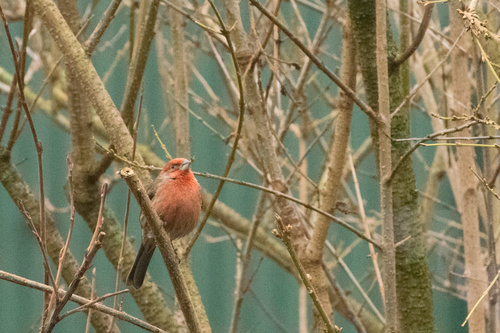
メキシコマシコ (Haemorhous mexicanus) メキシコマシコ
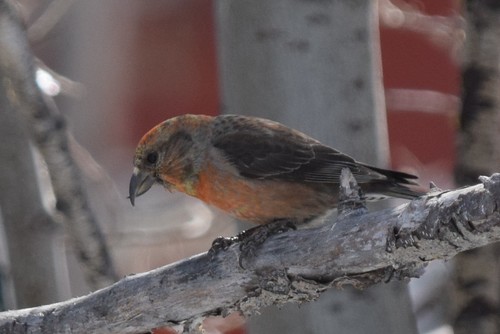
イスカ (Loxia curvirostra) イスカ

メディア

読み込み中…

要点

フィールドでメキシコマシコとイスカを分ける最も信頼できる方法は、くちばしの形です:イスカは独特で明らかに交差したくちばしを持ち、メキシコマシコのくちばしはまっすぐで円錐形です。両方の成鳥オスは赤い色合いを示すことがありますが、メキシコマシコのオスは腹部に縞模様があり、決して交差したくちばしを持ちません。両方の雌と幼鳥は茶色または灰色の縞模様がありますが、イスカは常に特徴的なくちばしと、よりずんぐりしたオウムのような頭を持っています。飛んでいる時や止まっている時、イスカは翼の横縞がなく(いくつかのイスカの親戚とは異なり)、メキシコマシコは無地の茶色の翼を持っています。サイズと構造は似ていますが、イスカはずんぐりしていて頑丈で、特に頭とくちばしにおいてそうです。生息地も役立ちます:メキシコマシコは都市や開けた生息地で一般的ですが、イスカは針葉樹林に関連しており、非常に遊動的です。

識別のコツ

  1. くちばしの形(すべての年齢): イスカは厚くてオウムのようなくちばしを持ち、先端が交差しています;メキシコマシコは細くてまっすぐな円錐形のくちばしを持っています。これは、どの年齢や季節でも最も信頼できる特徴です。
  2. 頭と顔の構造: イスカの頭は明らかにずんぐりしていて深く、より曲がった額と重いくちばしの基部を持っています。メキシコマシコは平らな額を持ち、より繊細でスズメのような頭をしています。
  3. 成鳥オスの色: 両方とも赤を示すことがありますが、メキシコマシコのオスは上面が茶色で、赤は頭、喉、上胸に制限され、常に腹部と脇腹に強い茶色の縞模様があります。イスカのオスは全体的に赤またはオレンジで、縞模様が少なく、より均一な外観です。
  4. 雌/幼鳥の色: メキシコマシコの雌は上面が茶色で、下部は濃い縞模様があり、無地の顔を持っています。イスカの雌は緑がかったまたは黄色がかった色で、縞模様が少なく、ずんぐりした頭とくちばしを持っています。
  5. 幼鳥/未熟な個体の混同: 両方とも縞模様があり茶色がかっていますが、イスカの幼鳥は常に交差したくちばしを持っています。くちばしがまっすぐであれば、それはイスカではありません。
  6. 翼のパターン(すべての年齢): 両種とも無地の暗い翼を持ち、翼の横縞や淡いパネルはありません。翼の横縞が見えれば、これらのいずれでもありません。
  7. 尾の形: メキシコマシコは長くて四角い先端の尾を持っています;イスカの尾は短くて切れ込みがあり、これは微妙で、フィールドでは常に信頼できるわけではありません。
  8. 採餌行動: イスカはしばしば針葉樹の松ぼっくりをこじ開けるのが見られ、時には逆さまにぶら下がっています。メキシコマシコは種、芽、果物を食べ、通常は直立して止まっているか地面にいます。
  9. 生息地: メキシコマシコは都市、郊外、開けた地域で一般的です;イスカは針葉樹林に見られ、都市や開けた農地ではめったに見られません。
  10. 群れの構造: イスカはしばしば木の高いところで密集した速い群れで移動します;メキシコマシコは餌台や電線で緩いグループで見られる可能性が高いです。
  11. 鳴き声: メキシコマシコの歌は音楽的な混乱です;イスカの呼び声は鋭く金属的で音楽的ではありません。呼び声は飛行中の最初の手がかりになることがよくあります。
  12. 季節的な移動: メキシコマシコは定住していて予測可能です;イスカは遊動的で突発的で、松ぼっくりの作物が良い時にのみ現れます。
  13. 性差の二形性: 両種とも色に性差を示しますが、交差したくちばしを持つのはイスカだけです。
  14. 場所の文脈: 針葉樹林にいる場合、特に松ぼっくりの作物がある時はイスカを期待してください;都市や開けた森林ではメキシコマシコを期待してください。
  15. 特徴が失敗した時: 照明が悪い場合や遠くからの視界では、くちばしの形と頭の構造に焦点を当ててください。くちばしがはっきり見えない場合は、呼び声を試すか、採餌行動を観察してください。

大きさ

メキシコマシコは12.5〜15 cmの長さで、翼幅は20〜25 cm、平均体重は21 gです [wikipedia]。イスカは長さは似ていますが、より頑丈で、明らかに厚い頭と重い体を持っています。イスカのくちばしははるかに大きく深く、特に基部で、頭にずんぐりした外観を与えています。メキシコマシコは全体的にスリムでより繊細に見えます。手に持つとイスカは重いですが、フィールドでは、違いは主に頭とくちばしの比率にあります。

羽色

行動

メキシコマシコはしばしば小さな群れで見られ、電線、餌台、または低木に止まっており、人間の周りで快適です。彼らの飛行は波打って軽やかです。イスカは針葉樹の木の中で見られることが多く、しばしば樹冠の高いところで、くちばしを使って松ぼっくりをこじ開けます。彼らの飛行は強くて直接的で、群れは樹木の間を移動します。イスカは採餌中に逆さまにぶら下がることがあり、これはメキシコマシコではめったに見られない行動です。

生息環境

メキシコマシコは都市や郊外の一般的な種で、北アメリカのほとんどの都市、町、農場、開けた森林に見られます。深い針葉樹林ではめったに見られません。イスカは針葉樹林に密接に関連しており、特に松ぼっくりの作物が豊富な場所に見られます。非常に突発的で遊動的で、時には典型的な範囲から遠くに現れることがありますが、常に針葉樹と関連しています。都市や開けた農地にいる場合、イスカは見られない可能性が高いです;もしあなたが松やトウヒの深い森にいるなら、メキシコマシコは珍しいです。

声

メキシコマシコの歌は長い音楽的な混乱で、高い「ウィーア」で終わり、呼び声は柔らかい「チート」または「ウィート」の音です。イスカの呼び声は鋭く金属的な「ジップジップ」または「キップキップ」で、しばしば飛行中に出され、彼らの歌はめったに聞かれず音楽的ではありません。フィールドでは、呼び声が通常最良の手がかりです:メキシコマシコは音楽的で甘い、イスカは厳しく金属的です。

より良い説明を送る

比較と同じ項目を使ってください。文章はすぐに公開されます。

The most reliable way to separate House Finch from Common Crossbill in the field is by bill shape: Common Crossbill has a unique, obviously crossed bill, while House Finch’s bill is straight and conical. Adult males of both can show red tones, but House Finch males are streaked below and never have a crossed bill. Females and immatures of both are streaked brownish or grayish, but Crossbill always shows the distinctive bill and a chunkier, more parrot-like head. In flight or perched, Crossbill lacks any wing bars (unlike some crossbill relatives), and House Finch has plain brown wings. Size and structure are similar, but Crossbill is bulkier and more robust, especially in the head and bill. Habitat can help: House Finch is common in urban and open habitats, while Crossbill is tied to coniferous forests and is highly nomadic.

  1. Bill shape (all ages): Crossbill has a thick, parrot-like bill with tips that cross over; House Finch has a slim, straight, conical bill. This is the single most reliable mark at any age or season.
  2. Head and face structure: Crossbill’s head is noticeably bulkier and deeper, with a more curved forehead and a heavy bill base. House Finch has a flatter forehead and a more delicate, sparrow-like head.
  3. Adult male color: Both can show red, but House Finch males are brown above with red restricted to the head, throat, and upper breast, and always have strong brown streaks on the flanks and belly. Crossbill males are red or orange overall, with less streaking and a more uniform look.
  4. Female/immature color: House Finch females are brown above, heavily streaked below, with a plain face. Crossbill females are greenish or yellowish, with less streaking and a chunkier head and bill.
  5. Juvenile/immature confusion: Both are streaked and brownish, but Crossbill juveniles always have the crossed bill. If the bill is straight, it is not a Crossbill.
  6. Wing pattern (all ages): Both species have plain, dark wings with no wing bars or pale panels. If you see wing bars, it is not either of these.
  7. Tail shape: House Finch has a long, square-tipped tail; Crossbill’s tail is shorter and more notched, but this is subtle and not always reliable in the field.
  8. Feeding behavior: Crossbill is often seen prying open conifer cones, sometimes hanging upside down. House Finch feeds on seeds, buds, and fruit, usually perched upright or on the ground.
  9. Habitat: House Finch is common in urban, suburban, and open areas; Crossbill is found in coniferous forests and rarely in cities or open farmland.
  10. Flock structure: Crossbills often move in tight, fast-moving flocks high in the trees; House Finches are more likely to be seen in loose groups at feeders or on wires.
  11. Vocalizations: House Finch song is a musical jumble; Crossbill calls are sharp, metallic, and not musical. Calls are often the first clue in flight.
  12. Seasonal movement: House Finch is resident and predictable; Crossbill is nomadic and irruptive, appearing only when cone crops are good.
  13. Sexual dimorphism: Both species show sex differences in color, but only Crossbill has the crossed bill in both sexes.
  14. Location context: If you are in a coniferous forest, especially during a cone crop, expect Crossbill; in a city or open woodland, expect House Finch.
  15. When marks fail: In poor light or distant views, focus on bill shape and head structure. If you cannot see the bill clearly, try for a call note or observe feeding behavior.

House Finch is 12.5–15 cm long with a wingspan of 20–25 cm and an average mass of 21 g [wikipedia]. Common Crossbill is similar in length but is more robust, with a noticeably thicker head and heavier body. The Crossbill’s bill is much larger and deeper, especially at the base, giving the head a bulkier look. House Finch appears slimmer and more delicate overall. In hand, Crossbill is heavier, but in the field, the difference is mostly in the head and bill proportions.

  • Juveniles/immatures: Both species are streaked below and brownish or grayish above, but only Crossbill juveniles have the distinctive crossed bill. House Finch juveniles have a straight, conical bill. Neither species shows wing bars or strong upperwing pattern in this age; both have plain, darkish wings.

  • Adult males: House Finch males are brown above with red on the head, throat, and upper breast, sometimes extending onto the belly and back, but always with strong brown streaking on the flanks and belly. Crossbill males are red or orange overall, with less streaking below, and always have the crossed bill. Both lack wing bars.

  • Adult females: House Finch females are brown above, heavily streaked below, with a plain face and straight bill. Crossbill females are greenish or yellowish, less streaked below, and have the crossed bill and a more robust head.

  • Wings in flight: Both species have plain, dark wings with no wing bars or pale panels. The only crossbill in the region with wing bars is the Two-barred Crossbill, not covered here.

House Finches are often seen in small flocks, perching on wires, feeders, or shrubs, and are comfortable around humans. Their flight is undulating and light. Common Crossbills are more likely to be seen in coniferous trees, often high in the canopy, using their bills to pry open cones. Their flight is strong and direct, with flocks moving between treetops. Crossbills may hang upside down while feeding, a behavior rarely seen in House Finch.

House Finch is an urban and suburban generalist, found in cities, towns, farms, and open woodlands throughout most of North America. It is rarely found in deep coniferous forests. Common Crossbill is closely tied to coniferous forests, especially where cone crops are abundant. It is highly irruptive and nomadic, sometimes appearing far from typical range, but always in association with conifers. If you are in a city or open farmland, Crossbill is unlikely; if you are deep in a pine or spruce forest, House Finch is rare.

House Finch song is a long, musical jumble ending with a high 'wheer', and calls are soft 'cheet' or 'wheat' notes. Crossbill calls are sharp, metallic 'jip-jip' or 'kip-kip', often given in flight, and their song is rarely heard and not musical. In the field, the call notes are usually the best clue: House Finch is musical and sweet, Crossbill is harsh and metallic.

変更を破棄しますか?

保存していない編集があります。今離れると失われます。

メキシコマシコ · イスカ · 苦手な鳥