

hainan blue flycatcher vs blue-throated flycatcher
Cyornis hainanus versus Cyornis rubeculoides
Jogue um quiz com hainan blue flycatcher e blue-throated flycatcher
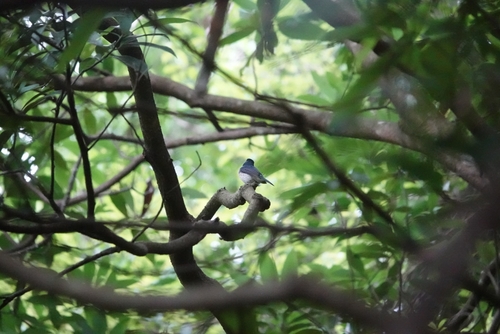 hainan blue flycatcher
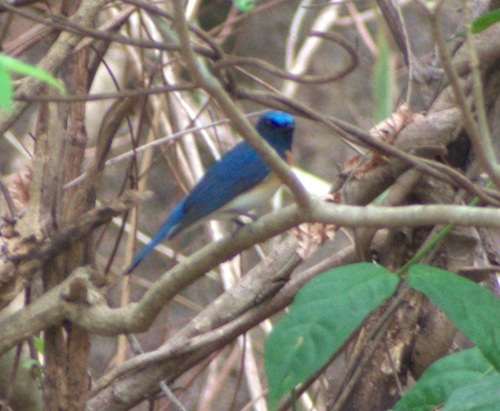 blue-throated flycatcher
Em resumo
A marca de campo mais confiável para separar o hainan blue flycatcher do blue-throated flycatcher é a cor da garganta em machos adultos: o blue-throated apresenta uma garganta azul distinta, enquanto o hainan blue tem uma garganta mais pálida e menos contrastante. Ambos são pequenos pássaros azulados do mesmo gênero e podem ser muito semelhantes, especialmente fora do plumagem de machos adultos. Pássaros imaturos e fêmeas são muito mais difíceis de separar em campo, pois as notas não fornecem diferenças detalhadas específicas de idade ou padrão de asas. Preferências de habitat podem ajudar: o blue-throated flycatcher é mais frequentemente encontrado em florestas mais densas, enquanto o hainan blue é nativo do sul da China, Hainan e Indochina. Tamanho e estrutura não são confiavelmente diferentes com base nas informações disponíveis.
Dicas de identificação
- A cor da garganta do macho adulto é a melhor marca de campo: O blue-throated flycatcher apresenta uma garganta azul rica, enquanto a garganta do hainan blue flycatcher é mais pálida e menos contrastante. Isso é mais confiável na plumagem de reprodução.
- Fêmeas e pássaros imaturos são muito difíceis de separar visualmente: As notas não fornecem marcas distintivas para essas idades ou sexos, então a identificação pode não ser possível sem canção, alcance ou contexto de habitat.
- Nenhum padrão de asas juvenil ou imaturo distinto é descrito: Se você ver um pássaro em voo ou empoleirado com uma asa superior pouco clara, não espere encontrar uma marca diagnóstica para nenhuma das espécies nessas idades.
- O habitat pode fornecer uma pista: O blue-throated flycatcher é mais provável em florestas densas e espessas, enquanto o hainan blue é encontrado no sul da China, Hainan e Indochina, mas sem nota de habitat específica. Use isso apenas como uma pista de apoio, não como uma marca de campo primária.
- Estrutura e tamanho não são úteis: Ambas as espécies são semelhantes em tamanho e forma, então não confie no comprimento do bico, forma da cauda ou aparência geral para separação.
- Se você ver um pássaro azul com uma garganta azul em floresta densa, o blue-throated é fortemente favorecido: Essa combinação de marcas e contexto é a mais confiável.
- Se a garganta for mais pálida ou menos azul, e o pássaro estiver no sul da China ou Hainan, o hainan blue é mais provável: Especialmente se o habitat não for especialmente denso.
- Não tente separar essas espécies pela voz com base nas notas atuais: Nenhuma diferença vocal é fornecida.
- Se você estiver em dúvida, anote a cor da garganta, habitat e localização para revisão posterior: Essas são as únicas pistas confiáveis com base nas informações disponíveis.
- Cuidado com a confusão com outros flycatchers do gênero Cyornis: Ambas as espécies se assemelham ao Cyornis tickelliae, mas o blue-throated é separado dessa espécie pela sua garganta azul. Isso não é diretamente relevante para a comparação entre hainan blue e blue-throated, mas pode ajudar a evitar uma confusão de três vias.
- Se você não conseguir ver bem a garganta (por exemplo, em luz fraca ou vista obstruída), a identificação pode não ser possível: Aguarde uma melhor visão ou use outras pistas de contexto.
- Não confie em tons sutis de plumagem em outras partes do corpo: As notas não apoiam nenhuma outra diferença consistente.
- Se você estiver na Indochina e ver um flycatcher azul sem garganta azul, considere o hainan blue: Esta é uma pista baseada na distribuição, não uma marca de plumagem.
- Se você ver um pássaro blue-throated fora da floresta densa, verifique cuidadosamente a distribuição e a garganta: Alguma sobreposição é possível, então não use apenas o habitat.
- Em resumo, sempre priorize a cor da garganta em machos adultos e use habitat e distribuição como pistas secundárias para todas as outras idades e sexos.
Tamanho
Ambas as espécies são pequenos passeriformes do gênero Cyornis, e as notas disponíveis não fornecem medidas ou sugerem qualquer diferença de tamanho significativa. Espere que sejam semelhantes em comprimento e massa, então o tamanho não é uma marca de campo útil para separar essas duas.
Plumagem
Para machos adultos, a principal diferença de plumagem é a garganta: o blue-throated flycatcher tem uma garganta azul rica que se destaca do restante das partes inferiores, enquanto a garganta do hainan blue flycatcher é mais pálida e menos contrastante. As notas não descrevem padrões de asas juvenis ou imaturos distintos, então não há marcas conhecidas específicas de idade para usar em vistas de voo ou empoleiradas para não-machos adultos. Fêmeas e imaturos de ambas as espécies provavelmente serão marrons ou mais apagados e não são descritos em detalhes, então separá-los visualmente pode ser extremamente difícil sem a garganta azul do macho adulto.
Comportamento
Nenhuma diferença comportamental é descrita nas notas disponíveis. Ambos são flycatchers típicos da família Muscicapidae e provavelmente se comportam de maneira semelhante ao forragear ou empoleirar.
Habitat
O blue-throated flycatcher é conhecido por preferir florestas mais espessas e densas do que outros flycatchers, o que pode ajudar no contexto. O hainan blue flycatcher é nativo do sul da China, Hainan e Indochina, mas nenhuma preferência de habitat específica é dada além de sua distribuição. Se você encontrar um flycatcher azul em floresta especialmente densa, o blue-throated é mais provável, mas ambos podem se sobrepor em algumas áreas.
hainan blue flycatcher · blue-throated flycatcher · Minhas aves difíceis