

Hainan Blue Flycatcher vs Blue-throated Flycatcher
Cyornis hainanus contro Cyornis rubeculoides
Fai un quiz con Hainan Blue Flycatcher e Blue-throated Flycatcher
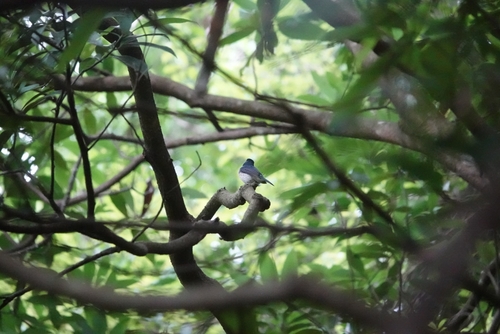 Hainan Blue Flycatcher
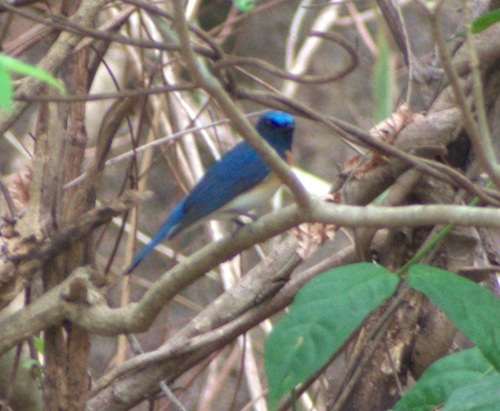 Blue-throated Flycatcher
In breve
Il segno di campo più affidabile per separare il Hainan Blue Flycatcher dal Blue-throated Flycatcher è il colore della gola nei maschi adulti: il Blue-throated mostra una gola blu distintiva, mentre il Hainan Blue ha una gola più chiara e meno contrastante. Entrambi sono piccoli flycatchers blu dello stesso genere e possono essere molto simili, specialmente al di fuori del piumaggio dei maschi adulti. Gli uccelli immaturi e femminili sono molto più difficili da separare sul campo, poiché le note non forniscono differenze dettagliate specifiche per età o schemi alari. Le preferenze di habitat possono aiutare: il Blue-throated Flycatcher si trova più spesso in foreste più dense, mentre il Hainan Blue è nativo della Cina meridionale, di Hainan e dell'Indocina. Le dimensioni e la struttura non sono affidabilmente diverse in base alle informazioni disponibili.
Consigli di identificazione
- Il colore della gola del maschio adulto è il segno di campo migliore: Il Blue-throated Flycatcher mostra una gola blu intensa, mentre la gola del Hainan Blue Flycatcher è più chiara e meno contrastante. Questo è più affidabile nel piumaggio di riproduzione.
- Gli uccelli femminili e immaturi sono molto difficili da separare visivamente: Le note non forniscono segni distintivi per queste età o sessi, quindi l'identificazione potrebbe non essere possibile senza contesto di canto, area o habitat.
- Non sono descritti schemi alari distintivi per i giovani o immaturi: Se vedi un uccello in volo o posato con un'ala superiore poco chiara, non aspettarti di trovare un segno diagnostico per nessuna delle due specie a queste età.
- L'habitat può fornire un indizio: Il Blue-throated Flycatcher è più probabile in foreste particolarmente dense e fitte, mentre il Hainan Blue si trova nella Cina meridionale, a Hainan e in Indocina, ma senza note specifiche sull'habitat. Usa questo solo come un indizio di supporto, non come un segno di campo primario.
- La struttura e le dimensioni non sono utili: Entrambe le specie sono simili in dimensioni e forma, quindi non fare affidamento sulla lunghezza del becco, sulla forma della coda o sull'aspetto generale per la separazione.
- Se vedi un flycatcher blu con una gola blu in una foresta densa, il Blue-throated è fortemente favorito: Questa combinazione di segni e contesto è la più affidabile.
- Se la gola è più chiara o meno blu, e l'uccello si trova nella Cina meridionale o a Hainan, il Hainan Blue è più probabile: Soprattutto se l'habitat non è particolarmente denso.
- Non tentare di separare queste specie per voce in base alle note attuali: Non sono fornite differenze vocali.
- Se non sei sicuro, annota il colore della gola, l'habitat e la posizione per una revisione successiva: Questi sono gli unici indizi affidabili dalle informazioni disponibili.
- Fai attenzione alla confusione con altri flycatchers Cyornis: Entrambe le specie somigliano al Cyornis tickelliae, ma il Blue-throated è separato da quella specie per la sua gola blu. Questo non è direttamente rilevante per il confronto Hainan Blue vs Blue-throated, ma può aiutare a evitare una confusione a tre vie.
- Se non riesci a vedere bene la gola (ad esempio, in scarsa luce o vista ostruita), l'identificazione potrebbe non essere possibile: Aspetta una vista migliore o usa altri indizi contestuali.
- Non fare affidamento su sfumature di piumaggio sottili altrove sul corpo: Le note non supportano altre differenze consistenti.
- Se sei in Indocina e vedi un flycatcher blu senza gola blu, considera il Hainan Blue: Questo è un indizio basato sull'area, non un segno di piumaggio.
- Se vedi un uccello con gola blu al di fuori di una foresta densa, controlla attentamente l'area e la gola: È possibile che ci sia sovrapposizione, quindi non usare solo l'habitat.
- In sintesi, dai sempre priorità al colore della gola nei maschi adulti e usa habitat e area come indizi secondari per tutte le altre età e sessi.
Taglia
Entrambe le specie sono piccoli passeriformi del genere Cyornis, e le note disponibili non forniscono misurazioni o suggeriscono alcuna differenza di dimensioni significativa. Aspettati che siano simili in lunghezza e massa, quindi le dimensioni non sono un segno utile per separare queste due.
Piumaggio
Per i maschi adulti, la principale differenza di piumaggio è la gola: il Blue-throated Flycatcher ha una gola blu intensa che si distingue dal resto delle parti inferiori, mentre la gola del Hainan Blue Flycatcher è più chiara e meno contrastante. Le note non descrivono schemi alari distintivi per i giovani o immaturi, quindi non ci sono segni noti specifici per età da utilizzare in volo o in vista posata per i non maschi adulti. Le femmine e gli immaturi di entrambe le specie sono probabilmente marroni o più opachi e non sono descritti in dettaglio, quindi separarli visivamente può essere estremamente difficile senza la gola blu del maschio adulto.
Comportamento
Non sono descritte differenze comportamentali nelle note disponibili. Entrambi sono tipici flycatchers della famiglia Muscicapidae e probabilmente si comportano in modo simile quando cercano cibo o si posano.
Habitat
Il Blue-throated Flycatcher è noto per preferire foreste più spesse e dense rispetto ad altri flycatchers, il che può aiutare nel contesto. Il Hainan Blue Flycatcher è nativo della Cina meridionale, di Hainan e dell'Indocina, ma non viene fornita alcuna preferenza specifica per l'habitat oltre al suo areale. Se trovi un flycatcher blu in una foresta particolarmente densa, il Blue-throated è più probabile, ma entrambi possono sovrapporsi in alcune aree.
Hainan Blue Flycatcher · Blue-throated Flycatcher · I miei uccelli difficili