

Motmot

ハイナンヒメアオヒタキ 対 ムネアカヒメアオヒタキ

Cyornis hainanus 対 Cyornis rubeculoides

ハイナンヒメアオヒタキとムネアカヒメアオヒタキのクイズ
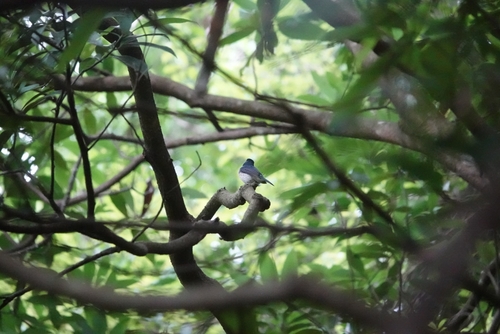
ハイナンヒメアオヒタキ (Cyornis hainanus) ハイナンヒメアオヒタキ
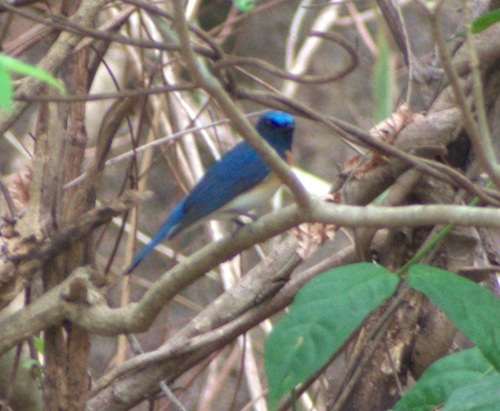
ムネアカヒメアオヒタキ (Cyornis rubeculoides) ムネアカヒメアオヒタキ

メディア

読み込み中…

要点

ハイナンヒメアオヒタキとムネアカヒメアオヒタキを区別する最も信頼できるフィールドマークは、成鳥のオスの喉の色です:ムネアカは明確に青い喉を示し、ハイナンヒメアオヒタキはより淡い、対照的でない喉を持っています。両者は同じ属の小さな青いヒメアオヒタキであり、特に成鳥のオスの羽毛以外では非常に似ていることがあります。未熟な鳥や雌の鳥は、年齢特有の翼のパターンの違いが詳細に記載されていないため、フィールドで区別するのがはるかに難しいです。生息地の好みが役立つかもしれません:ムネアカヒメアオヒタキはより密な森林で見られることが多く、ハイナンヒメアオヒタキは南中国、海南、インドシナに生息しています。サイズと構造は、利用可能な情報に基づいて信頼できる違いはありません。

識別のコツ

  1. 成鳥のオスの喉の色が最も良いフィールドマークです: ムネアカヒメアオヒタキは豊かな青い喉を示し、ハイナンヒメアオヒタキの喉は淡く、対照的でありません。これは繁殖羽毛の時期に最も信頼できます。
  2. 雌や未熟な鳥は視覚的に非常に区別が難しいです: メモにはこれらの年齢や性別の識別マークが提供されていないため、歌、範囲、または生息地の文脈なしでは識別が不可能な場合があります。
  3. 特有の幼鳥や未熟な翼のパターンは記載されていません: 飛んでいる鳥や不明瞭な上翼を持つ鳥を見た場合、これらの年齢でいずれの種の診断マークも見つけることは期待しないでください。
  4. 生息地が手がかりになることがあります: ムネアカヒメアオヒタキは特に密で厚い森林にいる可能性が高く、ハイナンヒメアオヒタキは南中国、海南、インドシナに見られますが、特定の生息地のメモはありません。これは主なフィールドマークではなく、補助的な手がかりとしてのみ使用してください。
  5. 構造とサイズは役に立ちません: 両種はサイズと形状が似ているため、くちばしの長さ、尾の形、または全体的な印象に頼って区別しないでください。
  6. 密な森林で青い喉を持つ青いヒメアオヒタキを見た場合、ムネアカが強く推奨されます: このマークと文脈の組み合わせが最も信頼できます。
  7. 喉が淡いまたは青くなく、鳥が南中国または海南にいる場合、ハイナンヒメアオヒタキの可能性が高いです: 特に生息地が特に密でない場合。
  8. 現在のメモに基づいて声でこれらの種を区別しようとしないでください: 音声の違いは提供されていません。
  9. 不明な場合は、後で確認するために喉の色、生息地、場所をメモしてください: これらは利用可能な情報からの唯一の信頼できる手がかりです。
  10. 他のCyornisヒメアオヒタキとの混同に注意してください: 両種はCyornis tickelliaeに似ていますが、ムネアカはその種から青い喉によって区別されます。これはハイナンヒメアオヒタキとムネアカの比較には直接関係ありませんが、三者の混同を避けるのに役立つかもしれません。
  11. 喉がよく見えない場合(例:暗い光や視界が遮られている場合)、識別が不可能な場合があります: より良い視界を待つか、他の文脈の手がかりを使用してください。
  12. 体の他の部分の微妙な羽毛の色合いに頼らないでください: メモは他の一貫した違いを支持していません。
  13. インドシナにいて青い喉を持たない青いヒメアオヒタキを見た場合、ハイナンヒメアオヒタキを考慮してください: これは範囲に基づく手がかりであり、羽毛のマークではありません。
  14. 密な森林の外で青い喉の鳥を見た場合、範囲と喉を注意深く確認してください: 一部の重複が可能なので、生息地だけを使用しないでください。
  15. 要約すると、成鳥のオスの喉の色を常に優先し、他の年齢や性別のために生息地と範囲を二次的な手がかりとして使用してください。

大きさ

両種はCyornis属の小さなスズメ目の鳥であり、利用可能なメモには測定値が提供されておらず、意味のあるサイズの違いを示唆していません。長さと質量は似ていると予想されるため、サイズはこれら二つを区別するための有用なフィールドマークではありません。

羽色

成鳥のオスの場合、主要な羽毛の違いは喉です:ムネアカヒメアオヒタキは他の下部から際立つ豊かな青い喉を持ち、ハイナンヒメアオヒタキの喉は淡く、対照的でありません。メモには特有の幼鳥や未熟な翼のパターンが記載されていないため、非成鳥のオスの飛行や止まり木での視点で使用するための年齢特有の上翼のマークはありません。両種の雌や未熟な鳥は茶色がかったり鈍い色合いである可能性が高く、詳細には記載されていないため、成鳥のオスの青い喉がないと視覚的に区別するのが非常に難しいかもしれません。

行動

利用可能なメモには行動の違いは記載されていません。両者はMuscicapidae科の典型的なヒメアオヒタキであり、採餌や止まり木にいるときに似た行動をする可能性が高いです。

生息環境

ムネアカヒメアオヒタキは他のヒメアオヒタキよりも厚く、密な森林を好むと記載されており、文脈で役立つかもしれません。ハイナンヒメアオヒタキは南中国、海南、インドシナに生息していますが、その範囲を超えた特定の生息地の好みは示されていません。特に密な森林で青いヒメアオヒタキを見つけた場合、ムネアカがより可能性が高いですが、両者は一部の地域で重複することがあります。

より良い説明を送る

比較と同じ項目を使ってください。文章はすぐに公開されます。

The most reliable field mark to separate Hainan Blue Flycatcher from Blue-throated Flycatcher is the throat color in adult males: Blue-throated shows a distinctly blue throat, while Hainan Blue has a paler, less contrasting throat. Both are small blue flycatchers in the same genus and can be very similar, especially outside of adult male plumage. Immature and female birds are much harder to separate in the field, as the notes do not provide detailed age-specific or wing pattern differences. Habitat preferences may help: Blue-throated Flycatcher is more often found in denser forests, while Hainan Blue is native to southern China, Hainan, and Indochina. Size and structure are not reliably different based on available information.

  1. Adult male throat color is the single best field mark: Blue-throated Flycatcher shows a rich blue throat, while Hainan Blue Flycatcher’s throat is paler and less contrasting. This is most reliable in breeding plumage.
  2. Female and immature birds are very difficult to separate visually: The notes do not provide distinguishing marks for these ages or sexes, so identification may not be possible without song, range, or habitat context.
  3. No distinctive juvenile or immature wing patterns are described: If you see a bird in flight or perched with an unclear upperwing, do not expect to find a diagnostic mark for either species at these ages.
  4. Habitat can provide a clue: Blue-throated Flycatcher is more likely in especially dense, thick forest, while Hainan Blue is found in southern China, Hainan, and Indochina but with no specific habitat note. Use this only as a supporting clue, not a primary field mark.
  5. Structure and size are not helpful: Both species are similar in size and shape, so do not rely on bill length, tail shape, or overall jizz for separation.
  6. If you see a blue flycatcher with a blue throat in dense forest, Blue-throated is strongly favored: This combination of marks and context is the most reliable.
  7. If the throat is paler or less blue, and the bird is in southern China or Hainan, Hainan Blue is more likely: Especially if habitat is not especially dense.
  8. Do not attempt to separate these species by voice based on current notes: No vocal differences are provided.
  9. If you are unsure, note the throat color, habitat, and location for later review: These are the only reliable clues from the available information.
  10. Beware of confusion with other Cyornis flycatchers: Both species resemble Cyornis tickelliae, but Blue-throated is separated from that species by its blue throat. This is not directly relevant to the Hainan Blue vs Blue-throated comparison, but may help avoid a three-way mix-up.
  11. If you cannot see the throat well (e.g., in poor light or obscured view), identification may not be possible: Wait for a better view or use other context clues.
  12. Do not rely on subtle plumage shades elsewhere on the body: The notes do not support any other consistent differences.
  13. If you are in Indochina and see a blue flycatcher without a blue throat, consider Hainan Blue: This is a range-based clue, not a plumage mark.
  14. If you see a blue-throated bird outside dense forest, check range and throat carefully: Some overlap is possible, so do not use habitat alone.
  15. In summary, always prioritize throat color in adult males, and use habitat and range as secondary clues for all other ages and sexes.

Both species are small passerines in the Cyornis genus, and the available notes do not provide measurements or suggest any meaningful size difference. Expect them to be similar in length and mass, so size is not a useful field mark for separating these two.

For adult males, the key plumage difference is the throat: Blue-throated Flycatcher has a rich blue throat that stands out from the rest of the underparts, while Hainan Blue Flycatcher’s throat is paler and less contrasting. The notes do not describe distinctive juvenile or immature wing patterns, so there are no known age-specific upperwing marks to use in flight or perched views for non-adult males. Females and immatures of both species are likely to be brownish or duller and are not described in detail, so separating them visually may be extremely difficult without the adult male’s blue throat.

No behavioral differences are described in the available notes. Both are typical flycatchers in the family Muscicapidae and likely behave similarly when foraging or perching.

Blue-throated Flycatcher is noted to prefer thicker, denser forests than other flycatchers, which may help in context. Hainan Blue Flycatcher is native to southern China, Hainan, and Indochina, but no specific habitat preference is given beyond its range. If you find a blue flycatcher in especially dense forest, Blue-throated is more likely, but both can overlap in some areas.

変更を破棄しますか?

保存していない編集があります。今離れると失われます。

ハイナンヒメアオヒタキ · ムネアカヒメアオヒタキ · 苦手な鳥