

gray-streaked flycatcher vs taralhão-castanho
Muscicapa griseisticta versus Muscicapa dauurica
Jogue um quiz com gray-streaked flycatcher e taralhão-castanho
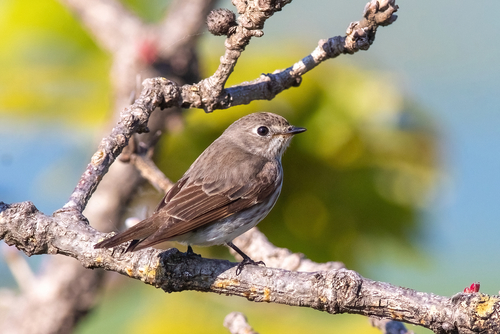 gray-streaked flycatcher
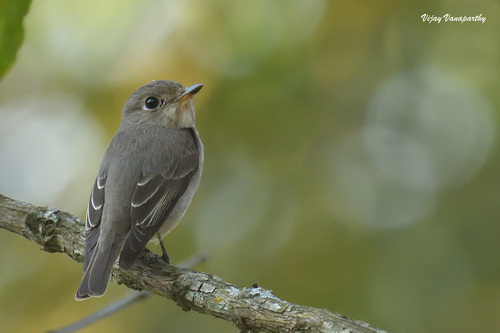 taralhão-castanho
Em resumo
A marca de campo mais confiável para separar o gray-streaked flycatcher do taralhão-castanho é a presença de listras grossas e escuras no peito e flancos do gray-streaked, que estão ausentes ou são extremamente fracas no taralhão-castanho. As aves juvenis de ambas as espécies têm partes superiores escamosas, mas apenas o gray-streaked apresenta listras fortes na parte inferior em todas as idades. Estruturalmente, o gray-streaked é ligeiramente mais esbelto e de asas longas, mas isso é sutil. Ambas as espécies são semelhantes em tamanho e forma geral, então concentre-se no padrão das partes inferiores e, para juvenis, na extensão da escamação acima. A cor do bico e o padrão do rosto oferecem pistas secundárias, mas são menos confiáveis à distância. Ambas as espécies podem ser encontradas em habitats semelhantes durante a migração, então o contexto não é um separador forte.
Dicas de identificação
- As listras nas partes inferiores são a marca chave: O gray-streaked flycatcher de todas as idades apresenta listras grossas e escuras no peito e flancos. O taralhão-castanho é branco liso na parte inferior, com apenas uma leve coloração marrom nos flancos e, em juvenis frescos, alguma mancha ou escamação no peito, mas nunca listras fortes.
- Partes superiores juvenis: Os juvenis de ambas as espécies podem apresentar partes superiores escamosas ou manchadas, mas apenas o gray-streaked combina isso com listras fortes nas partes inferiores. Os juvenis do taralhão-castanho têm partes superiores marrons escamosas, cabeça e peito, mas a escamação abaixo nunca é tão linear ou forte quanto as listras do gray-streaked.
- Padrão do rosto: O gray-streaked apresenta uma mancha pálida entre o bico e o olho e um anel ocular branco claro, dando um rosto ligeiramente mais contrastante. O rosto do taralhão-castanho é mais simples, com 'óculos' menos distintos e uma aparência geralmente mais suave.
- Estrutura e cor do bico: O taralhão-castanho tem um bico relativamente grande, de base larga e escura, frequentemente com uma mandíbula inferior clara em algumas subespécies. O bico do gray-streaked é preto e parece ligeiramente mais fino, mas isso é sutil e difícil de julgar a menos que estejam lado a lado.
- Faixa alar: O gray-streaked tem uma faixa alar branca estreita, que pode ser visível em repouso. O taralhão-castanho não possui uma faixa alar forte, embora bordas claras nas coberturas possam ser vistas em plumagem fresca.
- Tom das partes superiores: O gray-streaked é geralmente de um cinza-marrom mais frio acima, enquanto o taralhão-castanho é mais marron, especialmente nas populações do subcontinente indiano (subespécie poonensis). Isso é sutil e pode ser afetado pela luz e desgaste.
- Projeção primária e estrutura: O gray-streaked é descrito como mais esbelto e de asas longas, o que pode se manifestar como uma projeção primária mais longa além dos tertiais, mas essa é uma diferença menor e nem sempre visível.
- Postura: O gray-streaked pode parecer ligeiramente mais ereto e alerta, mas ambas as espécies podem adotar posturas semelhantes ao empoleirar-se.
- Habitat e contexto: Ambas as espécies se sobrepõem amplamente na migração e inverno, então não confie apenas no habitat ou na estação para identificação.
- Sexos iguais: Ambas as espécies apresentam pouca ou nenhuma dimorfismo sexual na plumagem, então todas as marcas se aplicam a machos e fêmeas.
- Visões em voo: Em voo, as listras nas partes inferiores (ou a falta delas) ainda podem ser visíveis se o pássaro se inclinar ou pousar à vista. Nenhum padrão distinto na asa superior separa os dois em voo.
- Vagância: Ambas as espécies podem ocorrer como vagantes fora de sua área principal, então não descarte nenhuma delas apenas pela localização.
- Voz: Nenhuma diferença vocal distinta é notada nas fontes disponíveis; não confie no chamado ou canto para separação.
- Armadilhas: Cuidado com aves desgastadas ou molhadas, que podem obscurecer as listras ou fazer ambas as espécies parecerem mais simples. O juvenil do taralhão-castanho pode parecer manchado abaixo, mas nunca com as listras nítidas e lineares do gray-streaked.
- Dica de resumo: Se você ver um Muscicapa flycatcher com listras verticais grossas no peito e flancos, é um gray-streaked flycatcher. Se as partes inferiores forem lisas ou apenas levemente manchadas, é um taralhão-castanho.
Tamanho
Ambas as espécies são muito próximas em tamanho, com o gray-streaked flycatcher medindo 13–15 cm de comprimento e pesando cerca de 15,9 g [wikidata]. O taralhão-castanho também tem cerca de 13 cm de comprimento, sem diferença significativa na massa observada nos dados disponíveis. No campo, o tamanho não é um separador confiável, já que ambos parecem pequenos, esbeltos e de cauda longa para Muscicapa flycatchers.
Plumagem
Aves juvenis e de primeiro inverno de ambas as espécies podem mostrar partes superiores escamosas, mas apenas o gray-streaked flycatcher (todas as idades) tem listras grossas e escuras correndo verticalmente pelo peito e flancos, criando uma aparência distintamente listrada abaixo. O taralhão-castanho é muito mais simples na parte inferior, com partes inferiores esbranquiçadas e apenas uma leve coloração marrom nos flancos em adultos, e alguma mancha ou escamação no peito em juvenis frescos, mas nunca as listras fortes do gray-streaked. Ambas as espécies são cinza-marrom acima, mas o gray-streaked tende a parecer mais frio e cinza, enquanto o taralhão-castanho é mais marrom, especialmente nas subespécies do subcontinente indiano. O gray-streaked apresenta uma faixa alar branca estreita e uma mancha pálida entre o bico e o olho, com um anel ocular branco claro. O taralhão-castanho tem um rosto menos contrastante, com um bico escuro de base larga e 'óculos' brancos menos distintos. O juvenil do gray-streaked também apresenta manchas brancas e escamação escura acima, mas as listras nas partes inferiores permanecem a melhor marca em todas as idades.
Comportamento
Ambas as espécies usam uma estratégia de alimentação semelhante: empoleirando-se em locais abertos e saindo para capturar insetos antes de retornar ao mesmo ou a um poleiro próximo. O gray-streaked flycatcher é descrito como particularmente esbelto e de asas longas, o que pode lhe dar uma postura ligeiramente mais ereta e alerta em poleiros expostos, mas isso é sutil e nem sempre confiável. Ambas podem ser vistas durante a migração ou inverno em florestas abertas, bordas de florestas ou árvores dispersas, frequentemente sozinhas ou em associação solta com outros migrantes.
Habitat
O habitat não é um separador forte, já que ambas as espécies se reproduzem no Paleártico oriental e migram através do Leste e Sudeste Asiático, utilizando habitats semelhantes de florestas abertas, bordas de florestas e árvores dispersas. Ambas podem ser encontradas em florestas, bordas de florestas e campos abertos com árvores dispersas durante a migração e inverno. A abundância local pode diferir, mas a sobreposição é extensa e não é uma marca de campo segura.
gray-streaked flycatcher · taralhão-castanho · Minhas aves difíceis