

Gray-streaked Flycatcher vs Asian Brown Flycatcher
Muscicapa griseisticta contro Muscicapa dauurica
Fai un quiz con Gray-streaked Flycatcher e Asian Brown Flycatcher
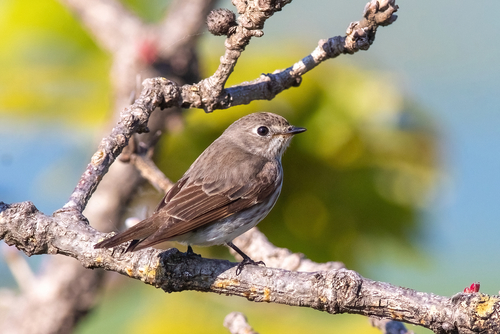 Gray-streaked Flycatcher
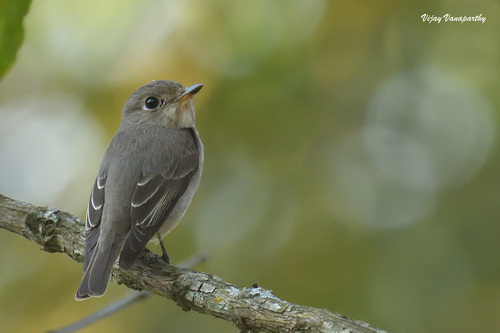 Asian Brown Flycatcher
In breve
Il segno di campo più affidabile per separare il Gray-streaked Flycatcher dall'Asian Brown Flycatcher è la presenza di striature bold e scure sul petto e sui fianchi del Grey-streaked, che sono assenti o estremamente deboli nell'Asian Brown. Gli uccelli giovani di entrambe le specie hanno parti superiori squamose, ma solo il Grey-streaked mostra forti striature sotto a tutte le età. Strutturalmente, il Grey-streaked è leggermente più snello e con ali più lunghe, ma questo è sottile. Entrambe le specie sono simili in dimensioni e forma generale, quindi concentrati sul pattern delle parti inferiori e, per i giovani, sull'estensione della squamatura sopra. Il colore del becco e il pattern del viso offrono indizi secondari ma sono meno affidabili a distanza. Entrambe le specie possono essere trovate in habitat simili durante la migrazione, quindi il contesto non è un forte separatore.
Consigli di identificazione
- Underpart streaking is the key mark: Il Gray-streaked Flycatcher di tutte le età mostra striature bold e scure che scendono lungo il petto e i fianchi. L'Asian Brown Flycatcher è bianco uniforme sotto con solo una leggera sfumatura marrone sui fianchi e, nei giovani freschi, alcune macchie o squamature sul petto, ma mai striature forti.
- Juvenile upperparts: I giovani di entrambe le specie possono mostrare parti superiori squamose o macchiate, ma solo il Grey-streaked combina questo con forti striature delle parti inferiori. I giovani Asian Brown hanno parti superiori marroni squamose, testa e petto, ma la squamatura sotto non è mai lineare o bold come le striature del Grey-streaked.
- Face pattern: Il Grey-streaked mostra una macchia chiara tra il becco e l'occhio e un chiaro anello oculare bianco, dando un viso leggermente più contrastante. Il viso dell'Asian Brown è più semplice, con 'occhiali' meno distinti e un aspetto generalmente più sobrio.
- Bill structure and color: L'Asian Brown Flycatcher ha un becco relativamente grande, a base larga e scuro, spesso con una mandibola inferiore chiara in alcune sottospecie. Il becco del Grey-streaked è nero e appare leggermente più fine, ma questo è sottile e difficile da giudicare a meno che non siano affiancati.
- Wing bar: Il Grey-streaked ha una stretta banda alare bianca, che può essere visibile a riposo. L'Asian Brown manca di una forte banda alare, anche se i bordi chiari delle copritrici possono essere visti nel piumaggio fresco.
- Upperpart tone: Il Grey-streaked è generalmente di un grigio-marrone più freddo sopra, mentre l'Asian Brown è più marrone, specialmente nelle popolazioni del subcontinente indiano (sottospecie poonensis). Questo è sottile e può essere influenzato dalla luce e dall'usura.
- Primary projection and structure: Il Grey-streaked è descritto come più snello e con ali più lunghe, il che può apparire come una proiezione primaria più lunga oltre le terziali, ma questa è una differenza minore e non sempre visibile.
- Posture: Il Grey-streaked può apparire leggermente più eretto e all'erta, ma entrambe le specie possono adottare posture simili di appollaiamento.
- Habitat and context: Entrambe le specie si sovrappongono ampiamente nella migrazione e in inverno, quindi non fare affidamento solo sull'habitat o sulla stagione per l'identificazione.
- Sexes alike: Entrambe le specie mostrano poco o nessun dimorfismo sessuale nel piumaggio, quindi tutti i segni si applicano sia ai maschi che alle femmine.
- Flight views: In volo, le striature delle parti inferiori (o la loro assenza) possono ancora essere visibili se l'uccello si inclina o atterra in vista. Nessun pattern distintivo dell'ala superiore separa i due in volo.
- Vagrancy: Entrambe le specie possono verificarsi come vaganti al di fuori del loro raggio principale, quindi non escludere nessuna delle due solo in base alla posizione.
- Voice: Non sono state notate differenze vocali distintive nelle fonti disponibili; non fare affidamento su richiami o canti per la separazione.
- Pitfalls: Fai attenzione agli uccelli usurati o bagnati, che possono oscurare le striature o far sembrare entrambe le specie più semplici. I giovani Asian Brown possono apparire macchiati sotto, ma mai con le striature nette e lineari del Grey-streaked.
- Summary tip: Se vedi un Muscicapa flycatcher con striature bold e verticali sul petto e sui fianchi, è un Gray-streaked Flycatcher. Se le parti inferiori sono semplici o solo debolmente macchiate, è un Asian Brown Flycatcher.
Taglia
Entrambe le specie sono molto simili in dimensioni, con il Gray-streaked Flycatcher che misura 13–15 cm di lunghezza e pesa circa 15,9 g [wikidata]. Anche l'Asian Brown Flycatcher è lungo circa 13 cm, senza differenze significative di massa notate nei dati disponibili. Sul campo, la dimensione non è un separatore affidabile, poiché entrambe appaiono piccole, snelle e con la coda lunga per i Muscicapa flycatchers.
Piumaggio
Gli uccelli giovani e di primo inverno di entrambe le specie possono mostrare parti superiori squamose, ma solo il Gray-streaked Flycatcher (tutte le età) ha striature bold e scure che scendono verticalmente lungo il petto e i fianchi, creando un aspetto distintamente striato sotto. L'Asian Brown Flycatcher è molto più semplice sotto, con parti inferiori bianche e solo una leggera sfumatura marrone sui fianchi negli adulti, e alcune macchie o squamature sul petto nei giovani freschi, ma mai le forti striature del Grey-streaked. Entrambe le specie sono grigio-marroni sopra, ma il Grey-streaked tende a sembrare più freddo e grigio, mentre l'Asian Brown è più marrone, specialmente nelle sottospecie del subcontinente indiano. Il Grey-streaked mostra una stretta banda alare bianca e una macchia chiara tra il becco e l'occhio, con un chiaro anello oculare bianco. L'Asian Brown ha un viso meno contrastante, con un becco scuro a base larga e 'occhiali' bianchi meno distinti. Anche il giovane Grey-streaked mostra macchie bianche e squamature scure sopra, ma le striature delle parti inferiori rimangono il miglior segno a tutte le età.
Comportamento
Entrambe le specie utilizzano una strategia alimentare simile: si appollaiando in aperto e si lanciano per catturare insetti prima di tornare allo stesso o a un appollaiamento vicino. Il Gray-streaked Flycatcher è descritto come particolarmente snello e con ali lunghe, il che può dargli una postura leggermente più eretta e all'erta su appollaiamenti esposti, ma questo è sottile e non sempre affidabile. Entrambi possono essere visti in migrazione o in inverno in boschi aperti, margini forestali o alberi sparsi, spesso da soli o in associazione libera con altri migratori.
Habitat
L'habitat non è un forte separatore, poiché entrambe le specie nidificano nell'Eurasia orientale e migrano attraverso l'Asia orientale e sudorientale, utilizzando habitat simili di boschi aperti, margini forestali e alberi sparsi. Entrambi possono essere trovati in foreste, margini forestali e campagna aperta con alberi sparsi durante la migrazione e l'inverno. L'abbondanza locale può differire, ma la sovrapposizione è estesa e non è un segno di campo sicuro.
Gray-streaked Flycatcher · Asian Brown Flycatcher · I miei uccelli difficili