

Motmot

エゾビタキ 対 コサメビタキ

Muscicapa griseisticta 対 Muscicapa dauurica

エゾビタキとコサメビタキのクイズ
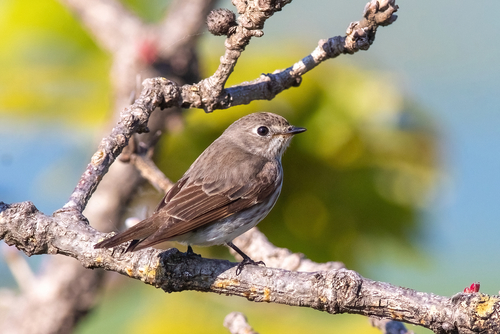
エゾビタキ (Muscicapa griseisticta) エゾビタキ
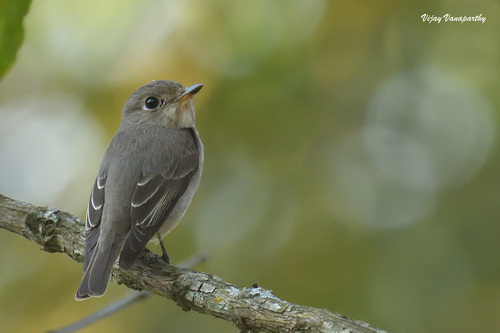
コサメビタキ (Muscicapa dauurica) コサメビタキ

メディア

読み込み中…

要点

エゾビタキとコサメビタキを区別する最も信頼できるフィールドマークは、エゾビタキの胸と側面に見られる太くて濃い灰色のストライプの存在であり、コサメビタキには存在しないか、非常に薄いです。両種の幼鳥は鱗状の上面を持っていますが、エゾビタキだけがすべての年齢で強いストライプを下に示します。構造的には、エゾビタキはわずかに細身で長い翼を持っていますが、これは微妙です。両種はサイズと全体的な形が似ているため、下部のパターンと幼鳥の場合は上部の鱗状の広がりに注目してください。嘴の色と顔のパターンは二次的な手がかりを提供しますが、距離があると信頼性が低くなります。両種は移動中に似たような生息地で見られるため、文脈は強い区別要因ではありません。

識別のコツ

  1. 下部のストライプが重要なマークです: すべての年齢のエゾビタキは、胸と側面に太くて濃い灰色のストライプを示します。コサメビタキは下が真っ白で、側面にはわずかに茶色の洗いがかかっているだけで、幼鳥の新鮮なものには胸にいくつかのまだら模様や鱗状のものがありますが、決して強いストライプはありません。
  2. 幼鳥の上面: 両種の幼鳥は鱗状または斑点のある上面を示すことがありますが、エゾビタキだけがこれを強い下部のストライプと組み合わせています。コサメビタキの幼鳥は鱗状の茶色の上面、頭、胸を持っていますが、下の鱗状のものはエゾビタキのストライプほど直線的または大胆ではありません。
  3. 顔のパターン: エゾビタキは嘴と目の間に淡い斑点を示し、明確な白いアイリングを持っており、ややコントラストのある顔を与えます。コサメビタキの顔はより平坦で、あまりはっきりとした「眼鏡」がなく、一般的により控えめな外観です。
  4. 嘴の構造と色: コサメビタキは比較的大きく、基部が広い暗い嘴を持ち、いくつかの亜種では下顎が淡いことがよくあります。エゾビタキの嘴は黒く、わずかに細く見えますが、これは微妙で、並べて見ないと判断が難しいです。
  5. 翼のバー: エゾビタキには狭い白い翼のバーがあり、休んでいるときに見えることがあります。コサメビタキには強い翼のバーがなく、新鮮な羽毛ではカバーの淡い縁が見られることがあります。
  6. 上面の色調: エゾビタキは一般的に上面が冷たい灰褐色で、コサメビタキはより茶色がかっています、特にインド亜大陸の個体群(亜種poonensis)では。これは微妙で、光や摩耗によって影響を受けることがあります。
  7. 一次の突出と構造: エゾビタキはより細身で長い翼を持つとされ、これはテリティアルを超えてより長い一次の突出として現れることがありますが、これは小さな違いで、常に見えるわけではありません。
  8. 姿勢: エゾビタキはわずかに直立して警戒しているように見えることがありますが、両種は似たような止まり方を取ることができます。
  9. 生息地と文脈: 両種は移動中や冬に広く重なり合うため、同定のために生息地や季節だけに頼らないでください。
  10. 性別は同じ: 両種は羽毛においてほとんどまたは全く性的二形性を示さないため、すべてのマークはオスとメスの両方に適用されます。
  11. 飛行時の視点: 飛行中、下部のストライプ(またはその欠如)は、鳥がバンクしたり視界に着陸したりする場合にまだ見えることがあります。飛行中に二つを区別する独特の上翼パターンはありません。
  12. 迷子: 両種は主な範囲外で迷子として発生することがあるため、場所だけでどちらかを排除しないでください。
  13. 声: 利用可能な情報源には明確な声の違いは記載されていないため、呼び声や歌に頼って区別しないでください。
  14. 落とし穴: 摩耗したり濡れたりした鳥に注意してください。これによりストライプが隠れたり、両種がより平坦に見えることがあります。幼鳥のコサメビタキは下がまだら模様に見えることがありますが、エゾビタキの鋭く直線的なストライプは決してありません。
  15. 要約のヒント: 胸と側面に太くて垂直のストライプがあるMuscicapaフライキャッチャーを見たら、それはエゾビタキです。下部が平坦またはわずかにまだら模様であれば、それはコサメビタキです。

大きさ

両種はサイズが非常に近く、エゾビタキは長さ13〜15 cm、体重は約15.9 g [wikidata]です。コサメビタキも約13 cmの長さで、利用可能なデータでは質量に顕著な違いは見られません。フィールドでは、サイズは信頼できる区別要因ではなく、両方がMuscicapaフライキャッチャーとして小さく、細身で、長い尾を持っているように見えます。

羽色

両種の幼鳥と初冬の鳥は鱗状の上面を示すことがありますが、エゾビタキ(すべての年齢)のみが胸と側面に垂直に走る太くて濃い灰色のストライプを持ち、下に明確にストライプのある外観を作り出します。コサメビタキは下が非常に平坦で、成鳥では白っぽい下部とわずかに茶色がかった側面を持ち、新鮮な幼鳥では胸にいくつかのまだら模様や鱗状のものがありますが、エゾビタキの強いストライプは決してありません。両種は上面が灰褐色ですが、エゾビタキは冷たく灰色がかって見える傾向があり、コサメビタキはより茶色がかっています、特にインド亜大陸の亜種では。エゾビタキは狭い白い翼のバーと嘴と目の間に淡い斑点を示し、明確な白いアイリングを持っています。コサメビタキは対照的な顔が少なく、基部が広く、暗い嘴を持ち、白い「眼鏡」があまりはっきりしていません。幼鳥のエゾビタキも上面に白い斑点と暗い鱗状のものを示しますが、下部のストライプはすべての年齢で最良のマークのままです。

行動

両種は似たような採餌戦略を使用します:開けた場所に止まり、昆虫を捕まえるために飛び出し、同じまたは近くの止まり木に戻ります。エゾビタキは特に細身で長い翼を持つとされ、これが露出した止まり木でわずかに直立して警戒している姿勢を与えることがありますが、これは微妙で常に信頼できるわけではありません。両種は移動中や冬に開けた森林、森林の端、または散在する木々で見られ、しばしば単独または他の移動者と緩やかに関連して見られます。

生息環境

生息地は強い区別要因ではなく、両種は東パレアクティックで繁殖し、東アジアと東南アジアを移動し、同様の開けた森林、森林の端、散在する木々の生息地を利用します。両種は移動中や冬に森林、森林の端、散在する木々のある開けた国で見られます。地域の豊富さは異なる場合がありますが、重なりは広範囲であり、安全なフィールドマークではありません。

より良い説明を送る

比較と同じ項目を使ってください。文章はすぐに公開されます。

The most reliable field mark to separate Grey-streaked Flycatcher from Asian Brown Flycatcher is the presence of bold, dark grey streaking on the breast and flanks of Grey-streaked, which is absent or extremely faint in Asian Brown. Juvenile birds of both species have scaly upperparts, but only Grey-streaked shows strong streaking below at all ages. Structurally, Grey-streaked is slightly more slender and long-winged, but this is subtle. Both species are similar in size and overall shape, so focus on underpart pattern and, for juveniles, the extent of scaling above. Bill color and face pattern offer secondary clues but are less reliable at distance. Both species can be found in similar habitats during migration, so context is not a strong separator.

  1. Underpart streaking is the key mark: Grey-streaked Flycatcher of all ages shows bold, dark grey streaks running down the breast and flanks. Asian Brown Flycatcher is plain white below with only a faint brownish wash on the flanks and, in fresh juveniles, some mottling or scaling on the breast, but never strong streaking.
  2. Juvenile upperparts: Both species' juveniles can show scaly or spotted upperparts, but only Grey-streaked combines this with strong underpart streaking. Asian Brown juveniles have scaly brown upperparts, head, and breast, but the scaling below is never as linear or bold as Grey-streaked's streaks.
  3. Face pattern: Grey-streaked shows a pale patch between the bill and eye and a clear white eye-ring, giving a slightly more contrasting face. Asian Brown's face is plainer, with less distinct 'spectacles' and a generally more subdued look.
  4. Bill structure and color: Asian Brown Flycatcher has a relatively large, broad-based, dark bill, often with a pale lower mandible in some subspecies. Grey-streaked's bill is black and appears slightly finer, but this is subtle and hard to judge unless side-by-side.
  5. Wing bar: Grey-streaked has a narrow white wingbar, which can be visible at rest. Asian Brown lacks a strong wingbar, though pale edges to the coverts may be seen in fresh plumage.
  6. Upperpart tone: Grey-streaked is generally colder grey-brown above, while Asian Brown is browner, especially in the Indian subcontinent populations (subspecies poonensis). This is subtle and can be affected by light and wear.
  7. Primary projection and structure: Grey-streaked is described as more slender and long-winged, which may show as a longer primary projection past the tertials, but this is a minor difference and not always visible.
  8. Posture: Grey-streaked may appear slightly more upright and alert, but both species can adopt similar perching postures.
  9. Habitat and context: Both species overlap widely in migration and winter, so do not rely on habitat or season alone for identification.
  10. Sexes alike: Both species show little or no sexual dimorphism in plumage, so all marks apply to both males and females.
  11. Flight views: In flight, underpart streaking (or lack thereof) may still be visible if the bird banks or lands in view. No distinctive upperwing pattern separates the two in flight.
  12. Vagrancy: Both species can occur as vagrants outside their main range, so do not rule out either on location alone.
  13. Voice: No distinctive vocal differences are noted in the available sources; do not rely on call or song for separation.
  14. Pitfalls: Beware of worn or wet birds, which may obscure streaking or make both species look plainer. Juvenile Asian Brown can appear mottled below, but never with the sharp, linear streaks of Grey-streaked.
  15. Summary tip: If you see a Muscicapa flycatcher with bold, vertical streaks on the breast and flanks, it is a Grey-streaked Flycatcher. If the underparts are plain or only faintly mottled, it is an Asian Brown Flycatcher.

Both species are very close in size, with Grey-streaked Flycatcher measuring 13–15 cm in length and weighing about 15.9 g [wikidata]. Asian Brown Flycatcher is also about 13 cm long, with no significant difference in mass noted in the available data. In the field, size is not a reliable separator, as both appear small, slim, and long-tailed for Muscicapa flycatchers.

Juvenile and first-winter birds of both species can show scaly upperparts, but only Grey-streaked Flycatcher (all ages) has bold, dark grey streaks running vertically down the breast and flanks, creating a distinctly streaked appearance below. Asian Brown Flycatcher is much plainer underneath, with whitish underparts and only a faint brown tinge to the flanks in adults, and some mottling or scaling on the breast in fresh juveniles, but never the strong streaking of Grey-streaked. Both species are grey-brown above, but Grey-streaked tends to look colder and greyer, while Asian Brown is browner, especially in the Indian subcontinent subspecies. Grey-streaked shows a narrow white wingbar and a pale patch between the bill and eye, with a clear white eye-ring. Asian Brown has a less contrasting face, with a broad-based, dark bill and less distinct white 'spectacles.' Juvenile Grey-streaked also shows white spots and dark scaling above, but the underpart streaking remains the best mark at all ages.

Both species use a similar feeding strategy: perching in the open and sallying out to catch insects before returning to the same or a nearby perch. Grey-streaked Flycatcher is described as particularly slender and long-winged, which may give it a slightly more upright, alert posture on exposed perches, but this is subtle and not always reliable. Both can be seen in migration or winter in open woodland, forest edge, or scattered trees, often alone or in loose association with other migrants.

Habitat is not a strong separator, as both species breed in the eastern Palearctic and migrate through East and Southeast Asia, using similar open woodland, forest edge, and scattered tree habitats. Both can be found in forests, forest edges, and open country with scattered trees during migration and winter. Local abundance may differ, but overlap is extensive and not a safe field mark.

変更を破棄しますか?

保存していない編集があります。今離れると失われます。

エゾビタキ · コサメビタキ · 苦手な鳥