

gray-cheeked bulbul vs puff-throated bulbul
Alophoixus tephrogenys versus Alophoixus pallidus
Jogue um quiz com gray-cheeked bulbul e puff-throated bulbul
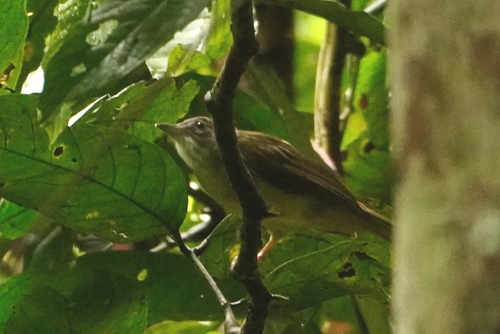 gray-cheeked bulbul
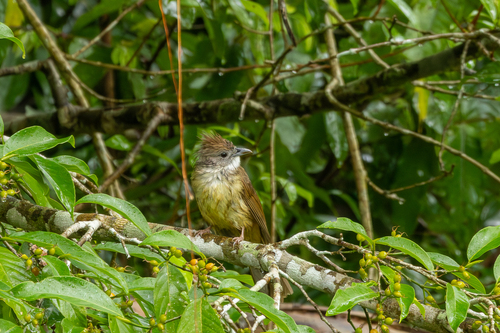 puff-throated bulbul
Em resumo
A marca de campo mais confiável para separar o gray-cheeked bulbul do puff-throated bulbul é a garganta: o puff-throated bulbul apresenta penas de garganta brancas e visivelmente fofas, enquanto o gray-cheeked bulbul não possui essa característica. Além disso, o puff-throated bulbul tem partes superiores oliva e partes inferiores amarelas, contrastando com os tons mais suaves do gray-cheeked bulbul. Ambas as espécies são semelhantes em tamanho e forma, e suas distribuições se sobrepõem no Sudeste Asiático, portanto, atenção cuidadosa à cor da garganta e das partes inferiores é essencial. Os sexos são semelhantes em ambas as espécies, então essas marcas funcionam durante todo o ano e para todas as idades em que o plumagem semelhante à de um adulto está presente.
Dicas de identificação
- Penas da garganta: O puff-throated bulbul tem penas de garganta brancas e fofas que são óbvias no campo; o gray-cheeked bulbul não possui essa característica e, em vez disso, tem uma bochecha acinzentada.
- Cor das partes inferiores: O puff-throated bulbul apresenta partes inferiores amarelas, embora não tão brilhantes quanto as do white-throated bulbul; as partes inferiores do gray-cheeked bulbul são mais suaves e carecem de tons amarelos fortes.
- Cor das partes superiores: O puff-throated bulbul tem partes superiores oliva, que podem contrastar com as partes superiores geralmente mais apagadas e menos oliva do gray-cheeked bulbul.
- Bico, íris e pés: O puff-throated bulbul tem íris e bico marrons, e pés pretos. Essas características não são descritas para o gray-cheeked bulbul, então use com cautela.
- Sexos e idades: Ambas as espécies são sexualmente monomórficas (machos e fêmeas se parecem), e não há menção de diferenças relacionadas à idade nas marcas de campo, então as principais características da plumagem são confiáveis durante todo o ano.
- Padrão de voo e asas: Nenhuma diferença distintiva de voo ou padrão de asas é descrita para qualquer uma das espécies, então não confie nisso em vistas rápidas.
- Tamanho: Ambas são grandes bulbuls; o puff-throated bulbul é especificamente 23 cm, mas isso não é uma marca de campo confiável devido à sobreposição.
- Sobreposição de habitat: Ambas podem ser encontradas em tipos de floresta semelhantes no Sudeste Asiático, então não use o habitat sozinho para separá-las.
- Confusão com o white-throated bulbul: O puff-throated bulbul é semelhante ao white-throated bulbul, mas com partes inferiores mais apagadas; tenha cuidado para não confundir essas três espécies se todas estiverem presentes.
- Contexto: Se você ver um bulbul com uma garganta branca e visivelmente fofa, prefira o puff-throated bulbul; se o rosto for mais uniformemente cinza e a garganta não for fofa, considere o gray-cheeked bulbul.
- Cor do bico e pés: Se você conseguir uma visão mais próxima, verifique os pés pretos e o bico/íris marrons do puff-throated bulbul, mas lembre-se de que esses são sutis e podem não estar sempre visíveis.
- Sem variação sazonal ou baseada em sexo forte: As principais marcas de campo são consistentes ao longo do ano e entre os sexos em ambas as espécies.
- Quando em dúvida: Concentre-se na cor da garganta e das partes inferiores como suas pistas principais, pois essas são as mais confiáveis e visíveis no campo.
- Nenhuma diferença vocal distintiva fornecida: Não confie na voz para separação, a menos que você tenha experiência local ou mais informações.
- Fotografia para confirmação: Se possível, tire uma foto da garganta e das partes inferiores para confirmar a identificação mais tarde, especialmente se a garganta fofa não for óbvia no campo.
Tamanho
Ambas as espécies são grandes bulbuls, com o puff-throated bulbul especificamente notado como 23 cm de comprimento. Não há medição direta para o gray-cheeked bulbul nas notas fornecidas, mas os dois são geralmente semelhantes em tamanho e volume. O tamanho sozinho não é um separador confiável no campo entre esses dois.
Plumagem
Nenhuma diferença de padrão de asas ou voo específica para a idade é descrita para qualquer uma das espécies, então a separação depende dos detalhes da plumagem visíveis quando empoleiradas. O puff-throated bulbul se destaca com suas penas de garganta brancas e fofas, que são proeminentes em todas as plumagens e idades. Suas partes superiores são oliva, e as partes inferiores são amarelas, embora descritas como mais apagadas do que as do similar white-throated bulbul. O gray-cheeked bulbul, por outro lado, não possui a garganta branca e fofa e, em vez disso, tem uma bochecha acinzentada e uma coloração geralmente mais suave no geral. Ambos os sexos se parecem em ambas as espécies, então essas marcas são sempre relevantes.
Comportamento
Nenhuma diferença comportamental é descrita nas notas fornecidas. Ambas as espécies são bulbuls típicos em seus hábitos e provavelmente serão encontradas em ambientes florestais semelhantes.
Habitat
Ambas as espécies ocorrem no Sudeste Asiático, com o gray-cheeked bulbul encontrado da Península Malaia até as Ilhas Sunda Maiores, e o puff-throated bulbul mais amplamente no Sudeste Asiático. O gray-cheeked bulbul é especificamente notado em florestas tropicais ou subtropicais úmidas de baixada e montanha, enquanto nenhum detalhe adicional de habitat é fornecido para o puff-throated bulbul. Na prática, ambas podem ser encontradas em tipos de floresta semelhantes, então o habitat não é um separador forte.
gray-cheeked bulbul · puff-throated bulbul · Minhas aves difíceis