

Gray-cheeked Bulbul vs Puff-throated Bulbul
Alophoixus tephrogenys contro Alophoixus pallidus
Fai un quiz con Gray-cheeked Bulbul e Puff-throated Bulbul
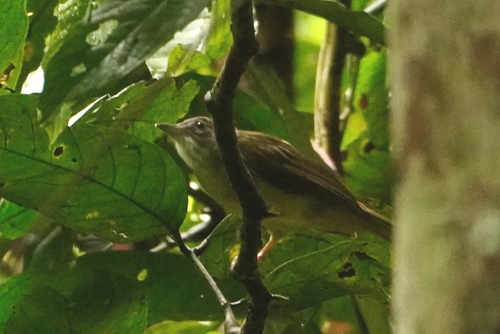 Gray-cheeked Bulbul
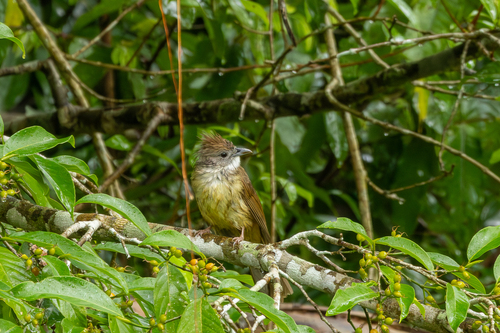 Puff-throated Bulbul
In breve
Il segno distintivo più affidabile per separare il Gray-cheeked Bulbul dal Puff-throated Bulbul è la gola: il Puff-throated Bulbul mostra piume della gola bianche e visibilmente gonfie, mentre il Gray-cheeked Bulbul manca di questa caratteristica. Inoltre, il Puff-throated Bulbul ha parti superiori oliva e parti inferiori gialle, in contrasto con i toni più tenui del Gray-cheeked Bulbul. Entrambe le specie sono simili in dimensioni e forma, e i loro areali si sovrappongono nel sud-est asiatico, quindi è fondamentale prestare attenzione al colore della gola e delle parti inferiori. I sessi sono simili in entrambe le specie, quindi questi segni sono validi tutto l'anno e per tutte le età in cui è presente il piumaggio simile a quello degli adulti.
Consigli di identificazione
- Throat feathers: Il Puff-throated Bulbul ha piume della gola bianche e gonfie che sono evidenti sul campo; il Gray-cheeked Bulbul manca di questa caratteristica e ha invece una guancia grigia.
- Underpart color: Il Puff-throated Bulbul mostra parti inferiori gialle, anche se non così brillanti come il White-throated Bulbul; le parti inferiori del Gray-cheeked Bulbul sono più tenui e mancano di forti toni gialli.
- Upperpart color: Il Puff-throated Bulbul ha parti superiori oliva, che possono contrastare con le parti superiori generalmente più opache e meno oliva del Gray-cheeked Bulbul.
- Bill, iris, and feet: Il Puff-throated Bulbul ha un'iride e un becco marroni, e piedi neri. Queste caratteristiche non sono descritte per il Gray-cheeked Bulbul, quindi usale con cautela.
- Sexes and ages: Entrambe le specie sono sessualmente monomorfiche (maschi e femmine si somigliano), e non ci sono menzioni di differenze legate all'età nei segni sul campo, quindi le principali caratteristiche del piumaggio sono affidabili tutto l'anno.
- Flight and wing pattern: Non sono descritte differenze distintive nel volo o nel pattern delle ali per nessuna delle due specie, quindi non fare affidamento su questi in rapide osservazioni volanti.
- Size: Entrambi sono grandi bulbuli; il Puff-throated Bulbul è specificamente 23 cm, ma questo non è un segno affidabile sul campo a causa della sovrapposizione.
- Habitat overlap: Entrambi possono essere trovati in tipi di foresta simili nel sud-est asiatico, quindi non usare l'habitat da solo per separarli.
- Confusion with White-throated Bulbul: Il Puff-throated Bulbul è simile al White-throated Bulbul ma con parti inferiori più opache; fai attenzione a non confondere queste tre specie se tutte sono presenti.
- Context: Se vedi un bulbul con una gola bianchissima e gonfia, favorisci il Puff-throated Bulbul; se il viso è più uniformemente grigio e la gola non è gonfia, considera il Gray-cheeked Bulbul.
- Bill and feet color: Se hai una visione ravvicinata, controlla i piedi neri e il becco/l'iride marroni del Puff-throated Bulbul, ma ricorda che questi sono sottili e potrebbero non essere sempre visibili.
- No strong seasonal or sex-based variation: I principali segni sul campo sono coerenti durante tutto l'anno e tra i sessi in entrambe le specie.
- When in doubt: Concentrati sul colore della gola e delle parti inferiori come tuoi indizi principali, poiché questi sono i più affidabili e visibili sul campo.
- No distinctive vocal differences provided: Non fare affidamento sulla voce per la separazione a meno che tu non abbia esperienza locale o ulteriori informazioni.
- Photograph for confirmation: Se possibile, scatta una foto della gola e delle parti inferiori per confermare l'identificazione in seguito, specialmente se la gola gonfia non è ovvia sul campo.
Taglia
Entrambe le specie sono grandi bulbuli, con il Puff-throated Bulbul specificamente notato come lungo 23 cm. Non ci sono misurazioni dirette per il Gray-cheeked Bulbul nelle note fornite, ma i due sono generalmente simili in dimensioni e bulk. La dimensione da sola non è un separatore affidabile sul campo tra questi due.
Piumaggio
Non sono descritte differenze specifiche di età nel pattern delle ali o nel volo per nessuna delle due specie, quindi la separazione si basa sui dettagli del piumaggio visibili quando sono posati. Il Puff-throated Bulbul si distingue per le sue piume della gola bianche e gonfie, che sono prominenti in tutti i piumaggi e le età. Le sue parti superiori sono olive e le parti inferiori sono gialle, anche se descritte come più opache rispetto al simile White-throated Bulbul. Il Gray-cheeked Bulbul, al contrario, manca della gola bianca e gonfia e ha invece una guancia grigia e una colorazione generalmente più attenuata. Entrambi i sessi si somigliano in entrambe le specie, quindi questi segni sono sempre rilevanti.
Comportamento
Non sono descritte differenze comportamentali nelle note fornite. Entrambe le specie sono bulbuli tipici nelle loro abitudini e sono probabilmente incontrati in ambienti forestali simili.
Habitat
Entrambe le specie si trovano nel sud-est asiatico, con il Gray-cheeked Bulbul trovato dalla penisola malese alle isole della Grande Sunda, e il Puff-throated Bulbul più ampiamente nel sud-est asiatico. Il Gray-cheeked Bulbul è specificamente notato in foreste umide tropicali o subtropicali e montane, mentre non sono forniti ulteriori dettagli sull'habitat per il Puff-throated Bulbul. In pratica, entrambi possono essere trovati in tipi di foresta simili, quindi l'habitat non è un forte separatore.
Gray-cheeked Bulbul · Puff-throated Bulbul · I miei uccelli difficili