

Motmot

Gray-cheeked Bulbul 対 ノドジロカンムリヒヨドリ

Alophoixus tephrogenys 対 Alophoixus pallidus

Gray-cheeked Bulbulとノドジロカンムリヒヨドリのクイズ
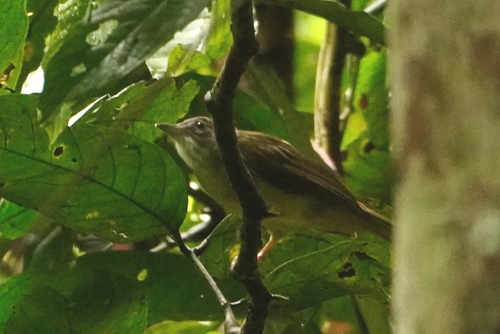
Gray-cheeked Bulbul (Alophoixus tephrogenys) Gray-cheeked Bulbul
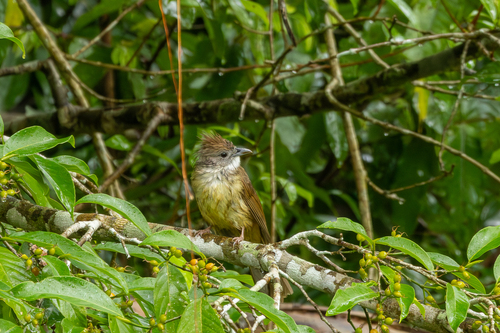
ノドジロカンムリヒヨドリ (Alophoixus pallidus) ノドジロカンムリヒヨドリ

メディア

読み込み中…

要点

Gray-cheeked Bulbulとノドジロカンムリヒヨドリを区別する最も信頼できるフィールドマークは喉です:ノドジロカンムリヒヨドリは明らかにふっくらとした白い喉の羽毛を示しますが、Gray-cheeked Bulbulはこの特徴がありません。さらに、ノドジロカンムリヒヨドリはオリーブ色の上面と黄色の下面を持ち、Gray-cheeked Bulbulのより控えめな色調と対照的です。両種はサイズと形が似ており、分布域は東南アジアで重なっているため、喉と下面の色に注意を払うことが重要です。両種の性別は似ているため、これらのマークは年間を通じて、成鳥の羽毛が存在するすべての年齢に対して有効です。

識別のコツ

  1. Throat feathers: ノドジロカンムリヒヨドリはフィールドで明らかな特徴的なふっくらとした白い喉の羽毛を持っています;Gray-cheeked Bulbulはこの特徴がなく、代わりに灰色の頬を持っています。
  2. Underpart color: ノドジロカンムリヒヨドリは黄色の下面を示しますが、キバラカンムリヒヨドリほど明るくはありません;Gray-cheeked Bulbulの下面はより控えめで、強い黄色の色調が欠けています。
  3. Upperpart color: ノドジロカンムリヒヨドリはオリーブ色の上面を持ち、一般的により鈍い色調のGray-cheeked Bulbulの上面と対照的です。
  4. Bill, iris, and feet: ノドジロカンムリヒヨドリは茶色の虹彩とくちばし、黒い足を持っています。これらの特徴はGray-cheeked Bulbulには記載されていないため、注意して使用してください。
  5. Sexes and ages: 両種は性別的に単形(オスとメスが似ている)であり、フィールドマークに年齢に関連する違いは言及されていないため、主要な羽毛の特徴は年間を通じて信頼できます。
  6. Flight and wing pattern: どちらの種についても特異な飛行や翼のパターンの違いは記載されていないため、迅速な飛び去りの視界ではこれらに依存しないでください。
  7. Size: 両者は大きなヒヨドリです;ノドジロカンムリヒヨドリは特に23 cmですが、これは重なりのため信頼できるフィールドマークではありません。
  8. Habitat overlap: 両者は東南アジアの類似の森林タイプで見られるため、単独で生息地を使用して区別しないでください。
  9. Confusion with キバラカンムリヒヨドリ: ノドジロカンムリヒヨドリはキバラカンムリヒヨドリに似ていますが、より鈍い下面を持っています;これらの三種がすべて存在する場合は混同しないように注意してください。
  10. Context: もしふっくらとした白い喉を持つヒヨドリを見たら、ノドジロカンムリヒヨドリを優先してください;顔がより均一に灰色で喉がふっくらしていない場合は、Gray-cheeked Bulbulを考慮してください。
  11. Bill and feet color: 近くで見ることができたら、ノドジロカンムリヒヨドリの黒い足と茶色のくちばし/虹彩を確認してくださいが、これらは微妙で常に見えるわけではないことを覚えておいてください。
  12. No strong seasonal or sex-based variation: 主なフィールドマークは、年間を通じておよび両種の性別にわたって一貫しています。
  13. When in doubt: 喉と下面の色に焦点を当てて、最も信頼できるフィールドでの手がかりとしてください。
  14. No distinctive vocal differences provided: 地元の経験やさらなる情報がない限り、声に依存して区別しないでください。
  15. Photograph for confirmation: 可能であれば、後で確認するために喉と下面の写真を撮ってください、特にフィールドでふっくらとした喉が明らかでない場合は。

大きさ

両種は大きなヒヨドリで、ノドジロカンムリヒヨドリは特に23 cmと記載されています。提供されたメモにはGray-cheeked Bulbulの直接の測定はありませんが、両者は一般的にサイズと体格が似ています。サイズだけでは、これら二つをフィールドで区別するのは信頼できません。

羽色

どちらの種についても年齢特有の翼や飛行パターンの違いは記載されていないため、分離は止まっているときに見える羽毛の詳細に依存します。ノドジロカンムリヒヨドリは、すべての羽毛と年齢で目立つふっくらとした白い喉の羽毛で際立っています。上面はオリーブ色で、下面は黄色ですが、似たようなキバラカンムリヒヨドリよりも鈍いと記載されています。対照的に、Gray-cheeked Bulbulはふっくらとした白い喉がなく、代わりに灰色の頬を持ち、全体的により控えめな色合いです。両種の性別は似ているため、これらのマークは常に関連しています。

行動

提供されたメモには行動の違いは記載されていません。両種はその習性において典型的なヒヨドリであり、類似の森林環境で遭遇する可能性が高いです。

生息環境

両種は東南アジアに生息しており、Gray-cheeked Bulbulはマレー半島から大スンダ列島まで見られ、ノドジロカンムリヒヨドリはより広範に東南アジアに分布しています。Gray-cheeked Bulbulは特に亜熱帯または熱帯の湿った低地および山地の森林で見られますが、ノドジロカンムリヒヨドリの生息地に関する詳細は記載されていません。実際には、両者は類似の森林タイプで見られるため、生息地は強い区別要因ではありません。

より良い説明を送る

比較と同じ項目を使ってください。文章はすぐに公開されます。

The most reliable field mark to separate Grey-cheeked Bulbul from Puff-throated Bulbul is the throat: Puff-throated Bulbul shows noticeably puffy, white throat feathers, while Grey-cheeked Bulbul lacks this feature. Additionally, Puff-throated Bulbul has olive upperparts and yellow underparts, contrasting with the more subdued tones of Grey-cheeked Bulbul. Both species are similar in size and shape, and their ranges overlap in Southeast Asia, so careful attention to throat and underpart color is essential. Sexes are alike in both species, so these marks work year-round and for all ages where adult-like plumage is present.

  1. Throat feathers: Puff-throated Bulbul has distinctive puffy, white throat feathers that are obvious in the field; Grey-cheeked Bulbul lacks this feature and instead has a greyish cheek.
  2. Underpart color: Puff-throated Bulbul shows yellow underparts, though not as bright as White-throated Bulbul; Grey-cheeked Bulbul's underparts are more subdued and lack strong yellow tones.
  3. Upperpart color: Puff-throated Bulbul has olive upperparts, which may contrast with the generally duller, less olive-toned upperparts of Grey-cheeked Bulbul.
  4. Bill, iris, and feet: Puff-throated Bulbul has a brown iris and bill, and black feet. These features are not described for Grey-cheeked Bulbul, so use with caution.
  5. Sexes and ages: Both species are sexually monomorphic (males and females look alike), and there is no mention of age-related differences in field marks, so the main plumage features are reliable year-round.
  6. Flight and wing pattern: No distinctive flight or wing pattern differences are described for either species, so do not rely on these in quick fly-by views.
  7. Size: Both are large bulbuls; Puff-throated Bulbul is specifically 23 cm, but this is not a reliable field mark due to overlap.
  8. Habitat overlap: Both can be found in similar forest types in Southeast Asia, so do not use habitat alone to separate them.
  9. Confusion with White-throated Bulbul: Puff-throated Bulbul is similar to White-throated Bulbul but with duller underparts; be careful not to confuse these three species if all are present.
  10. Context: If you see a bulbul with a strikingly puffy white throat, favor Puff-throated Bulbul; if the face is more uniformly grey and the throat is not puffy, consider Grey-cheeked Bulbul.
  11. Bill and feet color: If you get a close look, check for the black feet and brown bill/iris of Puff-throated Bulbul, but remember these are subtle and may not always be visible.
  12. No strong seasonal or sex-based variation: The main field marks are consistent throughout the year and across sexes in both species.
  13. When in doubt: Focus on the throat and underpart color as your primary clues, as these are the most reliable and visible in the field.
  14. No distinctive vocal differences provided: Do not rely on voice for separation unless you have local experience or further information.
  15. Photograph for confirmation: If possible, take a photo of the throat and underparts to confirm identification later, especially if the puffy throat is not obvious in the field.

Both species are large bulbuls, with Puff-throated Bulbul specifically noted as 23 cm long. There is no direct measurement for Grey-cheeked Bulbul in the provided notes, but the two are generally similar in size and bulk. Size alone is not a reliable separator in the field between these two.

No age-specific wing or flight pattern differences are described for either species, so separation relies on plumage details visible when perched. Puff-throated Bulbul stands out with its puffy white throat feathers, which are prominent in all plumages and ages. Its upperparts are olive, and the underparts are yellow, though described as duller than the similar White-throated Bulbul. Grey-cheeked Bulbul, by contrast, lacks the puffy white throat and instead has a greyish cheek and generally more muted coloration overall. Both sexes look alike in both species, so these marks are always relevant.

No behavioral differences are described in the provided notes. Both species are typical bulbuls in their habits and are likely to be encountered in similar forested environments.

Both species occur in Southeast Asia, with Grey-cheeked Bulbul found from the Malay Peninsula to the Greater Sunda Islands, and Puff-throated Bulbul more broadly in Southeast Asia. Grey-cheeked Bulbul is specifically noted in subtropical or tropical moist lowland and montane forests, while no further habitat detail is given for Puff-throated Bulbul. In practice, both can be found in similar forest types, so habitat is not a strong separator.

変更を破棄しますか?

保存していない編集があります。今離れると失われます。

Gray-cheeked Bulbul · ノドジロカンムリヒヨドリ · 苦手な鳥