

beija-flor-verdinho vs tit-hylia
Hylia prasina versus Pholidornis rushiae
Jogue um quiz com beija-flor-verdinho e tit-hylia
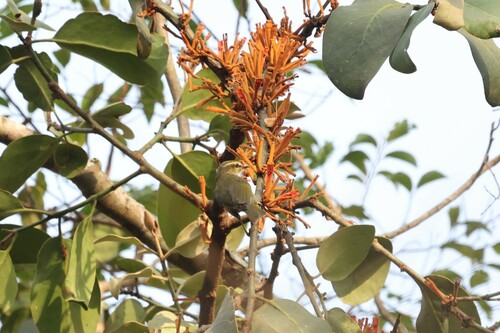 beija-flor-verdinho
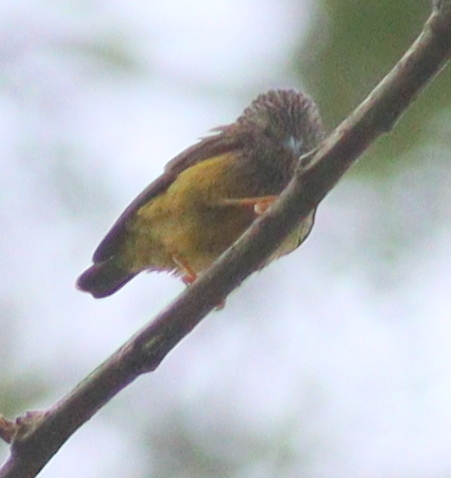 tit-hylia
Em resumo
Para separar o beija-flor-verdinho do tit-hylia em campo, concentre-se primeiro na coloração geral e no tamanho: o tit-hylia é muito menor e apresenta uma combinação distinta de listras marrons pesadas em uma cabeça e peito de cor buff pálido, com uma barriga amarela brilhante e pernas laranja, enquanto o beija-flor-verdinho é um pássaro verde-oliva simples com olhos e pés escuros. Os juvenis de tit-hylia são menos coloridos, mas ainda mostram algumas listras, ao contrário do beija-flor-verdinho, que é uniformemente esverdeado. A estrutura e a aparência também ajudam: o tit-hylia é notavelmente pequeno, mesmo em comparação ao já pequeno beija-flor-verdinho. Ambas as espécies podem ser encontradas em habitats de floresta tropical semelhantes, então pistas visuais são mais confiáveis do que o contexto. A voz pode ajudar se for bem ouvida, já que o beija-flor-verdinho emite assobios claros de duas notas ou estalos secos, enquanto o tit-hylia é menos bem descrito vocalmente.
Dicas de identificação
- Tamanho: O tit-hylia é extremamente pequeno (5,2 g), notavelmente menor que o beija-flor-verdinho (11,6 g). Se o pássaro parecer quase do tamanho de um rei ou um coroa-dourada, suspeite do tit-hylia.
- Plumagem - Cabeça e Peito: O tit-hylia sempre apresenta listras marrons pesadas em uma cabeça e peito de cor buff pálido. O beija-flor-verdinho é verde-oliva simples, sem listras em lugar algum.
- Plumagem - Parte Inferior: O tit-hylia tem uma barriga e um rabo amarelos brilhantes, em forte contraste com suas partes superiores listradas. O beija-flor-verdinho é verde-oliva ou cinza-oliva na parte inferior, nunca amarelo.
- Cor das Pernas: O tit-hylia tem pernas laranja brilhantes, que podem se destacar em boa luz. O beija-flor-verdinho tem pés verde-oliva, que se misturam com sua coloração geral.
- Bico e Olho: O beija-flor-verdinho tem um bico preto e íris marrons escuras; a cor do bico e do olho do tit-hylia não é destacada como distinta, mas o contraste com seu rosto pálido pode ajudar.
- Plumagem Juvenil: Os jovens tit-hylias são menos coloridos e menos listrados, mas ainda mostram algumas listras e uma dica de amarelo abaixo. O juvenil do beija-flor-verdinho é tão simples quanto o adulto.
- Sem Marcas de Padrão de Asa: Nenhuma das espécies tem um padrão de asa ou de voo distinto descrito, então confie nas vistas empoleiradas para identificação.
- Voz: Se você ouvir um assobio claro de duas notas ou um estalo seco, é o beija-flor-verdinho. A canção do tit-hylia não é bem descrita, então a ausência desses chamados pode indicar tit-hylia, mas o silêncio não é diagnóstico.
- Habitat: Ambas ocorrem em habitats de floresta tropical semelhantes; não use o habitat sozinho para separação.
- Comportamento: O tamanho pequeno do tit-hylia pode fazê-lo parecer especialmente delicado ou propenso a ficar preso em teias de aranha. O beija-flor-verdinho é mais robusto.
- Sexo e Idade: Não há dimorfismo sexual em nenhuma das espécies; os machos são ligeiramente maiores no beija-flor-verdinho, mas isso não é diagnóstico em campo.
- Variação de Subespécies: As subespécies de beija-flor-verdinho diferem na cor da garganta e da barriga (verde-oliva vs. cinza-branco), mas nenhuma apresenta o padrão listrado/amarelo do tit-hylia.
- Contexto: Se você ver um pássaro muito pequeno, listrado e de barriga amarela na floresta tropical, é o tit-hylia. Se o pássaro for verde-oliva simples, é o beija-flor-verdinho.
- Armadilha Comum: Não confunda um tit-hylia juvenil sem brilho com o beija-flor-verdinho; mesmo os jovens tit-hylias mostram algumas listras e amarelo, nunca o verde uniforme do beija-flor-verdinho.
- Bandos Mistos: Ambas podem se juntar a bandos de espécies mistas na copa; use tamanho e plumagem, não a composição do bando, para identificação.
Tamanho
O tit-hylia é dramaticamente menor que o beija-flor-verdinho: o tit-hylia adulto pesa em média apenas 5,2 g, tornando-o possivelmente o menor pássaro da África, enquanto o beija-flor-verdinho pesa quase o dobro, com 11,6 g. Em campo, o tit-hylia parece minúsculo, quase como um rei, e pode parecer delicado ou até vulnerável (às vezes ficando preso em teias de aranha). O beija-flor-verdinho, embora pequeno, é mais robusto e visivelmente maior quando visto lado a lado ou com experiência. Ambos são pequenos, mas o tamanho do tit-hylia é impressionante e diagnóstico.
Plumagem
A plumagem é o separador mais confiável. O tit-hylia de todas as idades apresenta uma cabeça e peito de cor buff pálido com listras marrons pesadas, e da parte inferior do peito até o rabo é amarelo brilhante. Suas pernas são laranja brilhante, e mesmo os juvenis, embora mais apagados e menos listrados, mantêm parte desse padrão. O beija-flor-verdinho, em contraste, é um verde-oliva uniforme acima e abaixo, com íris marrons escuras, um bico preto e pés verde-oliva. Não há listras ou amarelo brilhante no beija-flor-verdinho em nenhuma idade. As subespécies de beija-flor-verdinho diferem ligeiramente na cor da garganta e da barriga (cinza-oliva vs. cinza-branco), mas nunca se aproximam das listras ousadas do tit-hylia ou das partes inferiores amarelas. Nenhuma marca de padrão de asa ou de voo específica para a idade é descrita para nenhuma das espécies, então vistas empoleiradas são fundamentais.
Comportamento
Ambas as espécies são ativas, insetívoras e forrageiam na copa da floresta ou no sub-bosque. O tamanho minúsculo do tit-hylia significa que às vezes ele fica preso em teias de aranha, destacando sua estrutura delicada. O beija-flor-verdinho também é um insetívoro da copa, mas é um pouco mais robusto e menos propenso a parecer frágil. Não há um separador comportamental forte, mas a extrema pequenez do tit-hylia e sua tendência a forragear em galhos muito finos ou até perto de teias de aranha podem ser uma pista.
Habitat
Ambas as espécies se sobrepõem amplamente nas florestas tropicais da África Ocidental e Central, muitas vezes nas mesmas áreas gerais. O beija-flor-verdinho é um generalista da floresta, utilizando o sub-bosque e o estrato médio da floresta úmida, enquanto o tit-hylia também é um especialista em florestas tropicais. O habitat sozinho não é diagnóstico, pois ambas podem ser encontradas em contextos semelhantes. No entanto, o beija-flor-verdinho pode ser ligeiramente mais tolerante a florestas perturbadas ou secundárias do que o tit-hylia, mas isso não é uma marca de campo confiável.
Voz
O beija-flor-verdinho é bem conhecido por seus assobios claros e puros de duas notas ("kee kee") e chamados secos de estalo ("trrit trrrit"). Sua canção varia em frequência dependendo do habitat e do ruído de fundo, mas o assobio de duas notas é distintivo. As vocalizações do tit-hylia não são bem descritas nas fontes disponíveis, então a voz só é útil se você ouvir o assobio ou estalo clássico do beija-flor-verdinho. Se você ouvir um assobio puro e repetido de duas notas, é provável que seja o beija-flor-verdinho; caso contrário, confie nas marcas visuais.