

Green Hylia vs Tit-hylia
Hylia prasina contro Pholidornis rushiae
Fai un quiz con Green Hylia e Tit-hylia
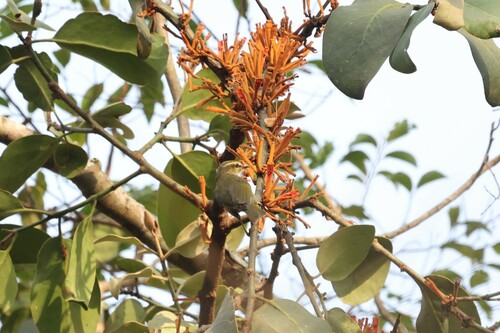 Green Hylia
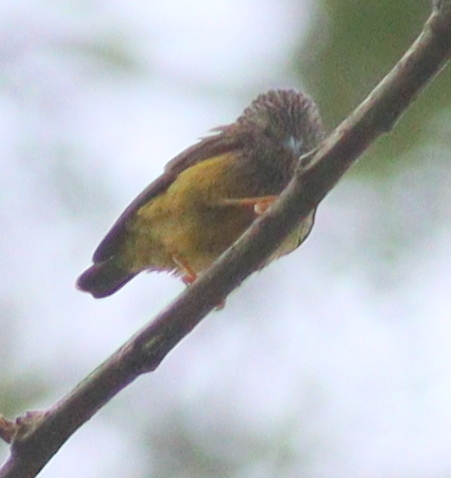 Tit-hylia
In breve
Per separare Green Hylia da Tit-hylia sul campo, concentrati prima sulla colorazione generale e sulla dimensione: Tit-hylia è molto più piccolo e mostra una combinazione distintiva di pesanti striature marroni su una testa e un petto di un pallido color sabbia, con un ventre giallo brillante e zampe arancioni, mentre Green Hylia è un uccello verde oliva semplice con occhi e piedi scuri. I giovani Tit-hylia sono meno colorati ma mostrano comunque alcune striature, a differenza del Green Hylia uniformemente verdastro. Anche la struttura e il comportamento aiutano: Tit-hylia è notevolmente piccolo, anche rispetto al già piccolo Green Hylia. Entrambe le specie possono essere trovate in habitat simili di foresta pluviale, quindi gli indizi visivi sono più affidabili del contesto. La voce può aiutare se ascoltata bene, poiché Green Hylia emette fischi chiari a due note o rumori secchi, mentre la voce di Tit-hylia è meno ben descritta.
Consigli di identificazione
- Size: Tit-hylia è estremamente piccolo (5.2 g), notevolmente più piccolo di Green Hylia (11.6 g). Se l'uccello appare quasi delle dimensioni di un regolo o di un dossale dorato, sospetta Tit-hylia.
- Plumage - Head and Chest: Tit-hylia mostra sempre pesanti striature marroni su una testa e un petto di un pallido color sabbia. Green Hylia è di un verde oliva semplice senza striature.
- Plumage - Underparts: Tit-hylia ha un ventre e un sottocoda giallo brillante, in netto contrasto con le sue parti superiori striate. Green Hylia è verde oliva o grigio oliva sotto, mai giallo.
- Leg Color: Tit-hylia ha zampe arancioni brillanti, che possono risaltare in buona luce. Green Hylia ha piedi verde oliva, che si fondono con la sua colorazione generale.
- Bill and Eye: Green Hylia ha un becco nero e iridi marroni scure; il colore del becco e dell'occhio di Tit-hylia non è evidenziato come distintivo, ma il contrasto con il suo viso pallido può aiutare.
- Juvenile Plumage: I giovani Tit-hylia sono meno colorati e meno striati, ma mostrano comunque alcune striature e un accenno di giallo sotto. Il giovane Green Hylia è semplice come l'adulto.
- No Wing Pattern Marks: Nessuna delle due specie ha un modello di ali o di volo distintivo descritto, quindi fai affidamento sulle viste in posizione per l'identificazione.
- Voice: Se senti un fischio chiaro a due note o un rumore secco, è Green Hylia. Il canto di Tit-hylia non è ben descritto, quindi l'assenza di questi richiami può indicare Tit-hylia, ma il silenzio non è diagnostico.
- Habitat: Entrambe si trovano in habitat simili di foresta pluviale; non usare l'habitat da solo per la separazione.
- Behavior: La piccola dimensione di Tit-hylia può farlo sembrare particolarmente delicato o incline a rimanere impigliato nelle ragnatele. Green Hylia è più robusto.
- Sex and Age: Nessun dimorfismo sessuale in entrambe le specie; i maschi sono leggermente più grandi in Green Hylia, ma questo non è diagnostico sul campo.
- Subspecies Variation: Le sottospecie di Green Hylia differiscono nel colore della gola e del ventre (verde oliva contro grigio bianco), ma nessuna mostra il modello striato/giallo di Tit-hylia.
- Context: Se vedi un uccello molto piccolo, striato e con il ventre giallo nella foresta pluviale, è Tit-hylia. Se l'uccello è di un verde oliva semplice, è Green Hylia.
- Common Pitfall: Non scambiare un giovane Tit-hylia opaco per Green Hylia; anche i giovani Tit-hylia mostrano alcune striature e giallo, mai il verde uniforme di Green Hylia.
- Mixed Flocks: Entrambi possono unirsi a stormi di specie miste nella chioma; usa dimensione e piumaggio, non composizione del gruppo, per l'identificazione.
Taglia
Tit-hylia è drammaticamente più piccolo di Green Hylia: il Tit-hylia adulto pesa in media solo 5.2 g, rendendolo forse l'uccello più piccolo dell'Africa, mentre Green Hylia è quasi due volte più pesante a 11.6 g. Sul campo, Tit-hylia appare minuscolo, quasi simile a un regolo, e può sembrare delicato o addirittura vulnerabile (a volte rimanendo impigliato nelle ragnatele). Green Hylia, sebbene piccolo, è più robusto e notevolmente più grande quando visto fianco a fianco o con esperienza. Entrambi sono piccoli, ma la dimensione di Tit-hylia è sorprendente e diagnostica.
Piumaggio
Il piumaggio è il separatore più affidabile. Tit-hylia di tutte le età mostra una testa e un petto di un pallido color sabbia con pesanti striature marroni, e dal petto inferiore al sottocoda è di un giallo brillante. Le sue zampe sono di un arancione brillante, e anche i giovani, sebbene più opachi e meno striati, mantengono parte di questo modello. Green Hylia, al contrario, è di un verde oliva uniforme sopra e sotto, con iridi marroni scure, un becco nero e piedi verde oliva. Non ci sono striature o giallo brillante su Green Hylia a nessuna età. Le sottospecie di Green Hylia differiscono leggermente nel colore della gola e del ventre (grigio oliva contro grigio bianco), ma non si avvicinano mai alle audaci striature o alle parti inferiori gialle di Tit-hylia. Non ci sono segni specifici di età per le ali o il volo descritti per nessuna delle due specie, quindi le viste in posizione sono fondamentali.
Comportamento
Entrambe le specie sono attive, insettivore e cercano cibo nella chioma della foresta o nel sottobosco. La piccola dimensione di Tit-hylia significa che a volte rimane impigliato nelle ragnatele, evidenziando la sua struttura delicata. Anche Green Hylia è un insettivoro della chioma, ma è leggermente più robusto e meno probabile che appaia fragile. Non c'è un forte separatore comportamentale, ma l'estrema piccolezza di Tit-hylia e la sua tendenza a cercare cibo in rami molto fini o anche vicino a ragnatele possono essere un indizio.
Habitat
Entrambe le specie si sovrappongono ampiamente nelle foreste pluviali dell'Africa occidentale e centrale, spesso nelle stesse aree generali. Green Hylia è un generalista della foresta, utilizzando il sottobosco e il mid-stratum della foresta umida, mentre Tit-hylia è anche uno specialista della foresta pluviale. L'habitat da solo non è diagnostico, poiché entrambe possono essere trovate in contesti simili. Tuttavia, Green Hylia potrebbe essere leggermente più tollerante nei confronti di foreste disturbate o secondarie rispetto a Tit-hylia, ma questo non è un segno affidabile sul campo.
Voce
Green Hylia è ben noto per i suoi fischi chiari e puri a due note ("kee kee") e per i richiami secchi ("trrit trrrit"). Il suo canto è variabile in frequenza a seconda dell'habitat e del rumore di fondo, ma il fischio a due note è distintivo. Le vocalizzazioni di Tit-hylia non sono ben descritte nelle fonti disponibili, quindi la voce è utile solo se senti il classico fischio o rumore di Green Hylia. Se senti un fischio puro e ripetuto a due note, è probabile che sia Green Hylia; altrimenti, fai affidamento sui segni visivi.