

Motmot

コバシミドリムシクイ 対 カラハタオリ

Hylia prasina 対 Pholidornis rushiae

コバシミドリムシクイとカラハタオリのクイズ
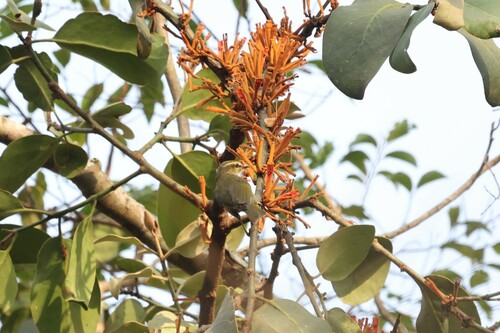
コバシミドリムシクイ (Hylia prasina) コバシミドリムシクイ
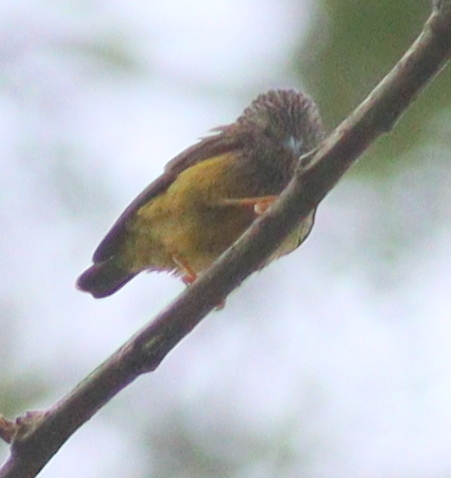
カラハタオリ (Pholidornis rushiae) カラハタオリ

メディア

読み込み中…

要点

コバシミドリムシクイとカラハタオリをフィールドで区別するには、まず全体的な色合いとサイズに注目してください:カラハタオリは非常に小さく、淡いバフ色の頭と胸に重い茶色の縞模様が特徴的で、明るい黄色の腹部とオレンジ色の脚を持っています。一方、コバシミドリムシクイは、暗い目と足を持つシンプルなオリーブグリーンの鳥です。幼鳥のカラハタオリは色が少なく、まだいくつかの縞模様を示しますが、均一に緑がかったコバシミドリムシクイとは異なります。構造と印象も役立ちます:カラハタオリは特に小さく、すでに小さいコバシミドリムシクイと比べても目立ちます。両種は似たような熱帯雨林の生息地に見られることがあるため、視覚的な手がかりは文脈よりも信頼性があります。声も役立ちますが、コバシミドリムシクイは明確な二音の口笛や乾いた rattles を出し、カラハタオリは声の記述があまり良くありません。

識別のコツ

  1. Size: カラハタオリは非常に小さい(5.2 g)で、コバシミドリムシクイ(11.6 g)よりも明らかに小さいです。もしその鳥がほぼキンカチョウやゴールドクレストのサイズに見えるなら、カラハタオリを疑ってください。
  2. Plumage - Head and Chest: カラハタオリは常に淡いバフ色の頭と胸に重い茶色の縞模様を示します。コバシミドリムシクイはどこにも縞模様がないシンプルなオリーブグリーンです。
  3. Plumage - Underparts: カラハタオリは明るい黄色の腹部と尻を持ち、縞模様のある上面と鮮やかに対比しています。コバシミドリムシクイは下側がオリーブグリーンまたはオリーブグレーで、決して黄色ではありません。
  4. Leg Color: カラハタオリは明るいオレンジ色の脚を持ち、良い光の中で目立つことがあります。コバシミドリムシクイはオリーブグリーンの足を持ち、全体の色合いに溶け込んでいます。
  5. Bill and Eye: コバシミドリムシクイは黒いくちばしと暗い茶色の虹彩を持っています;カラハタオリのくちばしと目の色は特に際立っていませんが、淡い顔との対比が役立つかもしれません。
  6. Juvenile Plumage: 幼いカラハタオリは色が少なく、縞模様も少ないですが、まだいくつかの縞模様と下に黄色のヒントを示します。幼鳥のコバシミドリムシクイは成鳥と同じくらいシンプルです。
  7. No Wing Pattern Marks: どちらの種も特徴的な翼や飛行パターンの記述はないため、識別には止まっている姿を頼りにしてください。
  8. Voice: 明確な二音の口笛や乾いた rattles を聞いたら、それはコバシミドリムシクイです。カラハタオリの歌はあまり良く記述されていないため、これらの呼び声がない場合はカラハタオリを示唆するかもしれませんが、沈黙は診断的ではありません。
  9. Habitat: 両者は似たような熱帯雨林の生息地に見られます;分離には生息地だけを使用しないでください。
  10. Behavior: カラハタオリの小さなサイズは、特に繊細またはクモの巣に引っかかりやすいことを示すかもしれません。コバシミドリムシクイはより頑丈です。
  11. Sex and Age: どちらの種にも性的二形はありません;コバシミドリムシクイのオスはわずかに大きいですが、これはフィールドでの診断にはなりません。
  12. Subspecies Variation: コバシミドリムシクイの亜種は喉と腹の色(オリーブグリーン対白灰色)で異なりますが、どちらもカラハタオリの縞模様や黄色のパターンを示しません。
  13. Context: 熱帯雨林で非常に小さく、縞模様があり、黄色い腹部の鳥を見たら、それはカラハタオリです。もしその鳥がシンプルなオリーブグリーンであれば、それはコバシミドリムシクイです。
  14. Common Pitfall: 鈍い幼鳥のカラハタオリをコバシミドリムシクイと間違えないでください;若いカラハタオリでもいくつかの縞模様と黄色を示し、決してコバシミドリムシクイの均一な緑を持ちません。
  15. Mixed Flocks: 両種はキャノピーで混成種の群れに参加することがあります;識別にはサイズと羽毛を使用し、群れの構成ではなく使用してください。

大きさ

カラハタオリはコバシミドリムシクイよりも劇的に小さいです:成鳥のカラハタオリは平均わずか5.2 gで、アフリカで最も小さい鳥かもしれませんが、コバシミドリムシクイはほぼ2倍の重さで11.6 gです。フィールドでは、カラハタオリは小さく見え、ほぼキンカチョウのようで、繊細または脆弱に見えることがあります(時にはクモの巣に引っかかることもあります)。コバシミドリムシクイは小さいですが、より頑丈で、並べて見たり経験を積むと目立ちます。どちらも小さいですが、カラハタオリのサイズは際立っており、診断的です。

羽色

羽毛は最も信頼できる区別要因です。すべての年齢のカラハタオリは淡いバフ色の頭と胸に重い茶色の縞模様を示し、下の胸から尻にかけては明るい黄色です。脚は明るいオレンジ色で、幼鳥でも色が鈍く、縞模様が少なくてもこのパターンの一部を保持しています。対照的に、コバシミドリムシクイは上も下も均一なオリーブグリーンで、暗い茶色の虹彩、黒いくちばし、オリーブグリーンの足を持っています。どの年齢でもコバシミドリムシクイには縞模様や明るい黄色はありません。コバシミドリムシクイの亜種は喉と腹の色(オリーブグレー対白グレー)でわずかに異なりますが、カラハタオリの大胆な縞模様や黄色の下部には決して近づきません。どちらの種にも年齢特有の翼や飛行パターンの記述はないため、止まっている姿が重要です。

行動

両種は活発で、昆虫食性で、森林のキャノピーや下層で餌を探します。カラハタオリの小さなサイズは、時にはクモの巣に引っかかることを意味し、その繊細な構造を強調します。コバシミドリムシクイもキャノピーの昆虫食者ですが、やや頑丈で、脆弱に見える可能性は低いです。強い行動的な区別はありませんが、カラハタオリの極端な小ささと非常に細い枝やクモの巣の近くで餌を探す傾向は手がかりになるかもしれません。

生息環境

両種は西アフリカと中央アフリカの熱帯雨林で広く重なり、しばしば同じ一般的な地域に見られます。コバシミドリムシクイは森林の一般的な種で、湿った森林の下層と中層を利用し、カラハタオリも熱帯雨林の専門家です。生息地だけでは診断できませんが、両者は似たような文脈で見られることがあります。ただし、コバシミドリムシクイはカラハタオリよりもわずかに乱されたり二次的な森林に耐性があるかもしれませんが、これは信頼できるフィールドマークではありません。

声

コバシミドリムシクイは明確で純粋な二音の口笛("kee kee")や乾いた rattling コール("trrit trrrit")でよく知られています。その歌は生息地や背景のノイズによって周波数が変動しますが、二音の口笛は特徴的です。カラハタオリの声は利用可能な情報源であまり良く記述されていないため、声はクラシックなコバシミドリムシクイの口笛や rattles を聞いた場合にのみ役立ちます。もし純粋で繰り返される二音の口笛を聞いたら、コバシミドリムシクイの可能性が高いです;そうでなければ、視覚的なマークに頼ってください。

より良い説明を送る

比較と同じ項目を使ってください。文章はすぐに公開されます。

To separate Green Hylia from Tit-hylia in the field, focus first on overall coloration and size: Tit-hylia is much smaller and shows a distinctive combination of heavy brown streaking on a pale buff head and chest, with a bright yellow belly and orange legs, while Green Hylia is a plain olive-green bird with dark eyes and feet. Juvenile Tit-hylias are less colorful but still show some streaking, unlike the uniformly greenish Green Hylia. Structure and jizz also help: Tit-hylia is notably tiny, even compared to the already small Green Hylia. Both species may be found in similar rainforest habitats, so visual clues are more reliable than context. Voice can help if heard well, as Green Hylia gives clear two-note whistles or dry rattles, while Tit-hylia is less well described vocally.

  1. Size: Tit-hylia is extremely small (5.2 g), noticeably smaller than Green Hylia (11.6 g). If the bird appears almost kinglet- or goldcrest-sized, suspect Tit-hylia.
  2. Plumage - Head and Chest: Tit-hylia always shows heavy brown streaking on a pale buff head and chest. Green Hylia is plain olive-green with no streaking anywhere.
  3. Plumage - Underparts: Tit-hylia has a bright yellow belly and rump, sharply contrasting with its streaked upperparts. Green Hylia is olive-green or olive-grey below, never yellow.
  4. Leg Color: Tit-hylia has bright orange legs, which can stand out in good light. Green Hylia has olive-green feet, blending with its overall coloration.
  5. Bill and Eye: Green Hylia has a black bill and dark brown irises; Tit-hylia's bill and eye color are not highlighted as distinctive, but the contrast with its pale face may help.
  6. Juvenile Plumage: Young Tit-hylias are less colorful and less streaked, but still show some streaking and a hint of yellow below. Juvenile Green Hylia is as plain as the adult.
  7. No Wing Pattern Marks: Neither species has a distinctive wing or flight pattern described, so rely on perched views for ID.
  8. Voice: If you hear a clear, two-note whistle or a dry rattle, it's Green Hylia. Tit-hylia's song is not well described, so absence of these calls may point to Tit-hylia, but silence is not diagnostic.
  9. Habitat: Both occur in similar rainforest habitats; do not use habitat alone for separation.
  10. Behavior: Tit-hylia's tiny size may make it seem especially delicate or prone to getting caught in spider webs. Green Hylia is more robust.
  11. Sex and Age: No sexual dimorphism in either species; males are slightly larger in Green Hylia, but this is not field-diagnostic.
  12. Subspecies Variation: Green Hylia subspecies differ in throat and belly color (olive-green vs. white-grey), but neither shows the streaked/yellow pattern of Tit-hylia.
  13. Context: If you see a very small, streaked, yellow-bellied bird in the rainforest, it's Tit-hylia. If the bird is plain olive-green, it's Green Hylia.
  14. Common Pitfall: Do not mistake a dull juvenile Tit-hylia for Green Hylia; even young Tit-hylias show some streaking and yellow, never the uniform green of Green Hylia.
  15. Mixed Flocks: Both may join mixed-species flocks in the canopy; use size and plumage, not flock composition, for ID.

Tit-hylia is dramatically smaller than Green Hylia: adult Tit-hylia averages just 5.2 g, making it possibly Africa's smallest bird, while Green Hylia is nearly twice as heavy at 11.6 g. In the field, Tit-hylia appears tiny, almost kinglet-like, and may seem delicate or even vulnerable (sometimes getting caught in spider webs). Green Hylia, though small, is more robust and noticeably larger when seen side by side or with experience. Both are small, but Tit-hylia's size is striking and diagnostic.

Plumage is the most reliable separator. Tit-hylia of all ages shows a pale buff head and chest with heavy brown streaking, and from the lower breast to the rump is bright yellow. Its legs are bright orange, and even juveniles, though duller and less streaked, retain some of this pattern. Green Hylia, by contrast, is a uniform olive-green above and below, with dark brown irises, a black bill, and olive-green feet. There is no streaking or bright yellow on Green Hylia at any age. Subspecies of Green Hylia differ slightly in throat and belly color (olive-grey vs. white-grey), but never approach the Tit-hylia's bold streaks or yellow underparts. No age-specific wing or flight pattern marks are described for either species, so perched views are key.

Both species are active, insectivorous, and forage in the forest canopy or understory. Tit-hylia's tiny size means it sometimes gets caught in spider webs, highlighting its delicate structure. Green Hylia is a canopy insectivore as well, but is somewhat more robust and less likely to appear as fragile. There is no strong behavioral separator, but Tit-hylia's extreme smallness and tendency to forage in very fine branches or even near spider webs can be a clue.

Both species overlap widely in West and Central African rainforests, often in the same general areas. Green Hylia is a forest generalist, using the understory and mid-stratum of moist forest, while Tit-hylia is also a rainforest specialist. Habitat alone is not diagnostic, as both can be found in similar contexts. However, Green Hylia may be slightly more tolerant of disturbed or secondary forest than Tit-hylia, but this is not a reliable field mark.

Green Hylia is well known for its clear, pure, two-note whistles ("kee kee") and dry rattling calls ("trrit trrrit"). Its song is variable in frequency depending on habitat and background noise, but the two-note whistle is distinctive. Tit-hylia's vocalizations are not well described in the available sources, so voice is only useful if you hear the classic Green Hylia whistle or rattle. If you hear a pure, repeated two-note whistle, Green Hylia is likely; otherwise, rely on visual marks.

変更を破棄しますか?

保存していない編集があります。今離れると失われます。

コバシミドリムシクイ · カラハタオリ · 苦手な鳥