

bem-te-vi vs neinei
Pitangus sulphuratus versus Megarynchus pitangua
Jogue um quiz com bem-te-vi e neinei
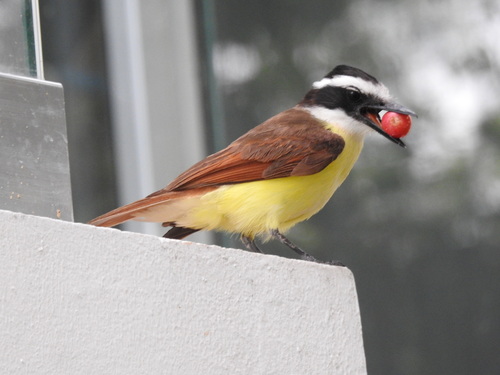 bem-te-vi
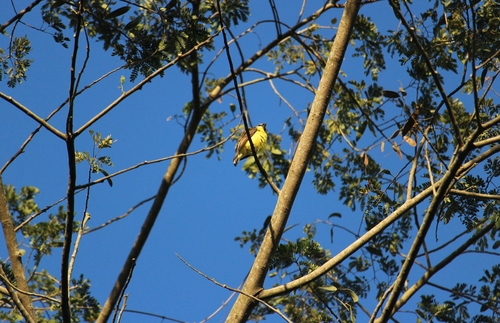 neinei
Em resumo
A marca de campo mais confiável entre o bem-te-vi e o neinei é o bico: o neinei tem um bico muito maior, mais longo e mais largo, dando à sua cabeça uma aparência pesada distinta, enquanto o bico do bem-te-vi é mais curto e mais grosso. Em voo ou empoleirado, verifique as partes superiores e as bordas das asas/cauda — o bem-te-vi apresenta franjas ruivas fortes, enquanto o neinei é mais oliva acima, com apenas bordas finas e pálidas de canela ou ruivas. Os neineis juvenis têm bordas de canela mais largas nas asas e não possuem a mancha na coroa, mas os imaturos do bem-te-vi são menos bem descritos. Ambos têm um supercílio branco ousado e partes inferiores amarelas, mas a aparência geral e a forma do bico são suas melhores dicas rápidas. A voz não é diagnóstica para separação, mas ambos são muito vocais e conspícuos.
Dicas de identificação
- Tamanho e forma do bico: O neinei tem um bico muito maior, mais largo e mais longo, dando à sua cabeça uma aparência pesada e grande. O bico do bem-te-vi é mais curto, mais grosso e menos maciço. Esta é a marca de campo mais confiável em todas as idades e em todas as condições.
- Cor das partes superiores: O bem-te-vi é marrom acima, enquanto o neinei é mais oliva ou marrom-oliva. Em luz forte, o marrom do Kiskadee pode parecer mais quente; o oliva do neinei é geralmente mais opaco.
- Bordas das asas e cauda: O bem-te-vi apresenta franjas ruivas fortes e óbvias nas asas e cauda, especialmente em plumagem fresca. O neinei tem apenas bordas finas e pálidas de canela ou ruivas, e algumas subespécies não têm ruivo na cauda.
- Padrão das asas de juvenis/imaturos: Os neineis juvenis têm bordas de canela mais largas nas penas de voo e não possuem a mancha na coroa. Os juvenis do bem-te-vi são menos bem descritos, mas não são notados por terem bordas de canela tão largas. Se você ver um pássaro jovem com um bico enorme e bordas de canela largas nas asas, é um neinei.
- Mancha na coroa: Ambas as espécies têm uma mancha na coroa oculta amarela (às vezes laranja-ruiva), mas raramente é visível. Os neineis juvenis não possuem essa mancha.
- Supercílio e face: Ambos têm um supercílio branco ousado, mas o do neinei é mais largo e envolve mais ao redor da nuca. Ambos têm uma coroa escura e bochechas brancas, mas o padrão da cabeça do bem-te-vi é um pouco mais definido.
- Partes inferiores: Ambos têm partes inferiores amarelas brilhantes e gargantas brancas. Isso não é um separador confiável.
- Tamanho e estrutura: O bem-te-vi é ligeiramente maior e mais pesado, mas isso é sutil. A aparência de cabeça grande do neinei é mais distinta do que o tamanho geral.
- Comportamento: O bem-te-vi é mais propenso a ser visto comendo uma ampla variedade de alimentos, incluindo frutas e até pão em comedouros. O neinei é menos onívoro, mas também se empoleira de forma conspícua.
- Habitat: Ambas ocorrem em florestas abertas e perto de água ou humanos, mas o bem-te-vi é mais abundante em áreas urbanas. Não confie apenas no habitat.
- Vocalizações: Ambos são altos e vocais, mas seus chamados não são separáveis de forma confiável para a maioria dos observadores. Use como uma dica de apoio apenas.
- Comportamento de caça: Ambos caçam de poleiros expostos, mas o bem-te-vi pode ser visto pescando ou pegando presas maiores.
- Variação subspecífica (neinei): Algumas subespécies de neinei têm partes superiores mais verde-oliva ou cinza-oliva e não têm ruivo na cauda; outras têm bordas ruivas mais proeminentes. Sempre verifique o tamanho do bico primeiro.
- Visões de voo: Em voo, procure o bico e a quantidade de ruivo nas asas/cauda. O ruivo do bem-te-vi é geralmente mais forte e mais extenso.
- Armadilhas: Os neineis imaturos com bordas largas de canela nas asas podem parecer superficialmente com o bem-te-vi, mas o bico permanece diagnóstico. Se o bico parecer maciço e o pássaro tiver uma cabeça grande, é um neinei, independentemente da plumagem.
Tamanho
O bem-te-vi é ligeiramente maior e mais pesado, com comprimento médio de cerca de 25–28 cm e 74 g de massa, tornando-se um dos maiores tiranídeos. O neinei é um pouco menor, com 21,5–24 cm e 53–70 g. No campo, essa diferença é sutil e muitas vezes mascarada pela postura, mas o bem-te-vi pode parecer mais volumoso no geral. A grande cabeça e o bico maciço do neinei podem fazê-lo parecer ter uma cabeça grande para seu tamanho corporal.
Plumagem
Para adultos, o bem-te-vi tem partes superiores marrons com franjas ruivas fortes nas asas e cauda, uma cabeça preta com um supercílio branco ousado e uma faixa oculta amarela na coroa. Os adultos do neinei são mais oliva ou marrom-oliva acima, com asas e cauda marrons escuras que têm apenas bordas finas e pálidas de canela ou ruivas. O padrão da cabeça deles é semelhante — coroa escura, supercílio branco e bochechas brancas — mas o supercílio do neinei é mais largo e envolve mais ao redor da nuca. Os neineis juvenis não têm a mancha na coroa, têm um tom amarelado no supercílio, partes superiores marrons mais escuras e bordas de canela mais largas nas asas, o que pode causar confusão com o bem-te-vi, mas o bico permanece diagnóstico. A variação subspecífica no neinei pode afetar a cor das partes superiores e a quantidade de ruivo na cauda, mas o tamanho e a forma do bico permanecem constantes.
Comportamento
Ambas as espécies são conspícuas, barulhentas e frequentemente encontradas em áreas abertas ou perto de habitações humanas. O bem-te-vi é mais onívoro e oportunista, às vezes pescando ou pegando pequenos vertebrados, e é especialmente comum em áreas urbanas. O neinei também é ousado e frequentemente se empoleira em locais abertos, mas seu comportamento é menos descrito como variado. Ambos caçam de poleiros expostos e se lançam em busca de insetos, mas o bem-te-vi é mais propenso a ser visto se alimentando de uma gama mais ampla de itens, incluindo frutas e até pão em comedouros.
Habitat
Ambas as espécies ocupam florestas abertas, bordas e áreas com árvores altas, frequentemente perto de água ou habitação humana. Seus habitats se sobrepõem amplamente na América Central e do Sul. O habitat sozinho não é um separador confiável, mas o bem-te-vi é frequentemente mais abundante e adaptável a ambientes urbanos, enquanto o neinei é encontrado em habitats semelhantes, mas às vezes ligeiramente menos urbanizados ou mais florestados.
Voz
Ambas as espécies são muito vocais e têm chamados altos e distintos, mas suas vozes não são separáveis de forma confiável no campo para a maioria dos observadores. O bem-te-vi é famoso por seu exuberante chamado onomatopaico 'BEE-tee-WEE' ou 'bem-te-vi', enquanto o chamado do neinei é menos bem descrito nessas notas. Use a voz como uma dica de apoio, não como um separador primário.