

Motmot

キバラオオタイランチョウ 対 オオハシタイランチョウ

Pitangus sulphuratus 対 Megarynchus pitangua

キバラオオタイランチョウとオオハシタイランチョウのクイズ
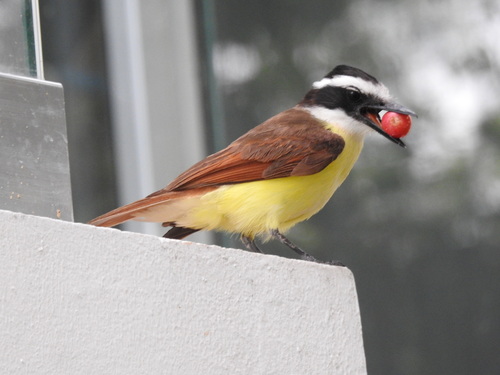
キバラオオタイランチョウ (Pitangus sulphuratus) キバラオオタイランチョウ
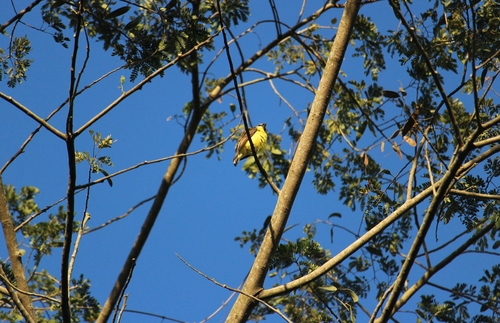
オオハシタイランチョウ (Megarynchus pitangua) オオハシタイランチョウ

メディア

読み込み中…

要点

キバラオオタイランチョウとオオハシタイランチョウの最も信頼できるフィールドマークはくちばしです:オオハシタイランチョウは、はるかに大きく、長く、幅広いくちばしを持ち、その頭に独特の重い印象を与えます。一方、キバラオオタイランチョウのくちばしは短くて太めです。飛んでいるときや止まっているときは、上面と翼/尾の縁を確認してください。キバラオオタイランチョウは強い赤褐色の縁を示しますが、オオハシタイランチョウは上面がオリーブ色で、薄い淡いシナモン色または赤褐色の縁しかありません。幼鳥のオオハシタイランチョウは翼に広いシナモン色の縁を持ち、頭頂の斑点が欠けていますが、キバラオオタイランチョウの幼鳥はあまり詳しく記述されていません。両者は大胆な白い眉斑と黄色い腹部を持っていますが、全体的な印象とくちばしの形が最も迅速な手がかりです。声は分離の診断には使えませんが、両者とも非常に声が大きく目立ちます。

識別のコツ

  1. Bill size and shape: オオハシタイランチョウは、はるかに大きく、幅広く、長いくちばしを持ち、その頭に重く、大きな頭の印象を与えます。キバラオオタイランチョウのくちばしは短くて太めで、質量も少ないです。これは、すべての年齢とすべての条件で最も信頼できるフィールドマークです。
  2. Upperparts color: キバラオオタイランチョウは上面が茶色ですが、オオハシタイランチョウはオリーブ色またはオリーブ茶色です。強い光の下では、キバラオオタイランチョウの茶色は暖かく見えることがありますが、オオハシタイランチョウのオリーブ色は通常鈍いです。
  3. Wing and tail edges: キバラオオタイランチョウは、特に新しい羽毛の時に、翼と尾に強く明らかな赤褐色の縁を示します。オオハシタイランチョウは薄い淡いシナモン色または赤褐色の縁しか持たず、一部の亜種は尾に赤褐色が全くありません。
  4. Juvenile/immature wing pattern: 幼鳥のオオハシタイランチョウは、飛翔羽に広いシナモン色の縁を持ち、頭頂の斑点が欠けています。キバラオオタイランチョウの幼鳥はあまり詳しく記述されていませんが、そんなに広いシナモン色の縁はありません。巨大なくちばしと広いシナモン色の翼の縁を持つ若い鳥を見たら、それはオオハシです。
  5. Crown patch: 両種は隠れた黄色(時にはオレンジ赤褐色)の頭頂斑点を持っていますが、これはめったに見えません。幼鳥のオオハシタイランチョウはこの斑点が全くありません。
  6. Supercilium and face: 両者は大胆な白い眉斑を持っていますが、オオハシの方が幅広く、首の後ろまで回り込んでいます。両者は黒っぽい頭と白い頬を持っていますが、キバラオオタイランチョウの頭の模様は少しよりはっきりしています。
  7. Underparts: 両者は明るい黄色の腹部と白い喉を持っています。これは信頼できる分離要因ではありません。
  8. Size and structure: キバラオオタイランチョウはわずかに大きく、重いですが、これは微妙です。オオハシの大きな頭の印象は、全体のサイズよりも際立っています。
  9. Behavior: キバラオオタイランチョウは、果物や餌台でのパンなど、幅広い食物を食べているのを見かける可能性が高いです。オオハシはあまり雑食ではありませんが、目立って止まります。
  10. Habitat: 両者は開けた森林や水辺、人間の近くに生息していますが、キバラオオタイランチョウは都市部でより多く見られます。生息地だけに頼らないでください。
  11. Vocalizations: 両者は大きく声を出しますが、彼らの鳴き声はほとんどの観察者にとって信頼できる分離要因ではありません。サポートの手がかりとしてのみ使用してください。
  12. Sallying behavior: 両者は露出した止まり木から狩りをしますが、キバラオオタイランチョウは魚を捕ったり、大きな獲物を取ったりするのが見られることがあります。
  13. Subspecific variation (Boat-billed): 一部のオオハシの亜種は、より緑がかったまたは灰色がかったオリーブ色の上面を持ち、尾に赤褐色が欠けています。他の亜種はより顕著な赤褐色の縁を持っています。常にくちばしのサイズを最初に確認してください。
  14. Flight views: 飛行中は、くちばしと翼/尾の赤褐色の量を探してください。キバラオオタイランチョウの赤褐色は通常より強く、広範囲にわたります。
  15. Pitfalls: 幼鳥のオオハシタイランチョウは広いシナモン色の翼の縁を持つと、外見上はキバラオオタイランチョウに似ることがありますが、くちばしは診断的です。くちばしが巨大に見え、鳥が大きな頭を持っている場合、それはオオハシです、羽毛に関係なく。

大きさ

キバラオオタイランチョウはわずかに大きく、重く、平均して約25〜28 cmの長さと74 gの質量を持ち、最大のタイランチョウの一つです。オオハシタイランチョウは21.5〜24 cmで53〜70 gと少し小さいです。フィールドでは、この違いは微妙で、姿勢によってしばしば隠されますが、キバラオオタイランチョウは全体的により大きく見えることがあります。オオハシの大きな頭と巨大なくちばしは、体のサイズに対して大きな頭に見えることがあります。

羽色

成鳥の場合、キバラオオタイランチョウは翼と尾に強い赤褐色の縁を持つ茶色の上面、太い白い眉斑を持つ黒い頭、隠れた黄色の頭頂のストライプを持っています。オオハシタイランチョウの成鳥は、上面がよりオリーブ色またはオリーブ茶色で、薄い淡いシナモン色または赤褐色の縁しか持たない暗い茶色の翼と尾を持っています。彼らの頭の模様は似ています—黒っぽい頭、白い眉斑、白い頬—しかし、オオハシの眉斑はより幅広く、首の後ろまで回り込んでいます。幼鳥のオオハシタイランチョウは頭頂の斑点が欠け、眉斑に黄色がかった色合いがあり、より暗い茶色の上面と翼に広いシナモン色の縁を持っており、これがキバラオオタイランチョウとの混同を引き起こすことがありますが、くちばしは診断的です。オオハシの亜種の変異は上面の色や尾の赤褐色の量に影響を与えることがありますが、くちばしのサイズと形は一定です。

行動

両種は目立ち、騒がしく、しばしば開けた場所や人間の居住地の近くで見られます。キバラオオタイランチョウはより雑食性で機会主義的であり、時には魚を捕ったり小さな脊椎動物を取ったりし、特に都市部で一般的です。オオハシタイランチョウも大胆でしばしば開けた場所に止まりますが、その行動はあまり多様性があるとは記述されていません。両者は露出した止まり木から狩りをし、昆虫を捕まえますが、キバラオオタイランチョウは果物や餌台でのパンなど、より幅広いアイテムを食べているのが見られる可能性が高いです。

生息環境

両種は開けた森林、縁、そして高い木のある地域に生息し、しばしば水辺や人間の居住地の近くに見られます。彼らの分布は中南米で広く重なっています。生息地だけでは信頼できる分離要因ではありませんが、キバラオオタイランチョウは都市部でより豊富で適応力があり、オオハシタイランチョウは似たような環境に見られますが、時にはやや都市化されていないか、より森林の多い縁の生息地に見られます。

声

両種は非常に声が大きく、特徴的な鳴き声を持っていますが、彼らの声はほとんどの観察者にとってフィールドで信頼できる分離要因ではありません。キバラオオタイランチョウはその活気に満ちた擬音語的な「BEE-tee-WEE」または「bem-te-vi」の鳴き声で有名ですが、オオハシタイランチョウの鳴き声はこれらのメモではあまり詳しく記述されていません。声はサポートの手がかりとして使用し、主要な分離要因としては使用しないでください。

より良い説明を送る

比較と同じ項目を使ってください。文章はすぐに公開されます。

The most reliable field mark between Great Kiskadee and Boat-billed Flycatcher is the bill: Boat-billed Flycatcher has a much larger, longer, and broader bill, giving its head a distinctive heavy look, while Great Kiskadee's bill is shorter and stubbier. In flight or perched, check the upperparts and wing/tail edges—Great Kiskadee shows strong rufous fringes, while Boat-billed Flycatcher is more olive above with only thin, pale cinnamon or rufous edges. Juvenile Boat-billed Flycatchers have wider cinnamon edges on the wings and lack the crown patch, but Great Kiskadee immatures are less well described. Both have a bold white supercilium and yellow underparts, but the overall jizz and bill shape are your best quick clues. Voice is not diagnostic for separation, but both are very vocal and conspicuous.

  1. Bill size and shape: Boat-billed Flycatcher has a much larger, broader, and longer bill, giving its head a heavy, big-headed look. Great Kiskadee's bill is shorter, stubbier, and less massive. This is the single most reliable field mark at all ages and in all conditions.
  2. Upperparts color: Great Kiskadee is brown above, while Boat-billed Flycatcher is more olive or olive-brown. In strong light, Kiskadee's brown can look warmer; Boat-billed's olive is usually duller.
  3. Wing and tail edges: Great Kiskadee shows strong, obvious rufous fringes on the wings and tail, especially in fresh plumage. Boat-billed Flycatcher has only thin, pale cinnamon or rufous edges, and some subspecies lack rufous on the tail entirely.
  4. Juvenile/immature wing pattern: Juvenile Boat-billed Flycatchers have broader cinnamon edges on the flight feathers and lack the crown patch. Great Kiskadee juveniles are less well described but are not noted for such broad cinnamon edges. If you see a young bird with a huge bill and broad cinnamon wing edges, it's a Boat-billed.
  5. Crown patch: Both species have a concealed yellow (sometimes orange-rufous) crown patch, but it's rarely visible. Juvenile Boat-billed Flycatchers lack this patch entirely.
  6. Supercilium and face: Both have a bold white supercilium, but Boat-billed's is broader and wraps farther around the nape. Both have a blackish crown and white cheeks, but Kiskadee's head pattern is a bit more sharply defined.
  7. Underparts: Both have bright yellow underparts and white throats. This is not a reliable separator.
  8. Size and structure: Great Kiskadee is slightly larger and heavier, but this is subtle. Boat-billed's big-headed look is more distinctive than overall size.
  9. Behavior: Great Kiskadee is more likely to be seen eating a wide range of foods, including fruit and even bread at feeders. Boat-billed is less omnivorous but also perches conspicuously.
  10. Habitat: Both occur in open woodlands and near water or humans, but Great Kiskadee is more abundant in urban areas. Don't rely on habitat alone.
  11. Vocalizations: Both are loud and vocal, but their calls are not reliably separable for most observers. Use as a supporting clue only.
  12. Sallying behavior: Both hunt from exposed perches, but Great Kiskadee may be seen fishing or taking larger prey.
  13. Subspecific variation (Boat-billed): Some Boat-billed subspecies have more greenish or grayish olive upperparts and lack rufous on the tail; others have more prominent rufous edges. Always check the bill size first.
  14. Flight views: In flight, look for the bill and the amount of rufous in the wings/tail. Great Kiskadee's rufous is usually stronger and more extensive.
  15. Pitfalls: Immature Boat-billed Flycatchers with broad cinnamon wing edges can look superficially like Kiskadee, but the bill remains diagnostic. If the bill looks massive and the bird is big-headed, it's Boat-billed, regardless of plumage.

Great Kiskadee is slightly larger and heavier, averaging about 25–28 cm in length and 74 g in mass, making it one of the largest tyrant flycatchers. Boat-billed Flycatcher is a bit smaller at 21.5–24 cm and 53–70 g. In the field, this difference is subtle and often masked by posture, but the Kiskadee may appear bulkier overall. The Boat-billed's large head and massive bill can make it seem big-headed for its body size.

For adults, Great Kiskadee has brown upperparts with strong rufous fringes on the wings and tail, a black head with a bold white supercilium, and a hidden yellow crown stripe. Boat-billed Flycatcher adults are more olive or olive-brown above, with dusky brownish wings and tail that have only thin, pale cinnamon or rufous edges. Their head pattern is similar—blackish crown, white supercilium, and white cheeks—but Boat-billed's supercilium is broader and wraps farther around the nape. Juvenile Boat-billed Flycatchers lack the crown patch, have a yellowish tinge to the supercilium, darker brownish upperparts, and broader cinnamon edges on the wings, which can cause confusion with Kiskadee, but the bill remains diagnostic. Subspecific variation in Boat-billed can affect upperpart color and the amount of rufous on the tail, but the bill size and shape remain constant.

Both species are conspicuous, noisy, and often found in open areas or near human habitation. Great Kiskadee is more omnivorous and opportunistic, sometimes fishing or taking small vertebrates, and is especially common in urban areas. Boat-billed Flycatcher is also bold and often perches in the open, but its behavior is less described as varied. Both hunt from exposed perches and sally for insects, but Kiskadee is more likely to be seen feeding on a wider range of items, including fruit and even bread at feeders.

Both species occupy open woodland, edges, and areas with tall trees, often near water or human habitation. Their ranges overlap widely in Central and South America. Habitat alone is not a reliable separator, but Great Kiskadee is often more abundant and adaptable to urban settings, while Boat-billed Flycatcher is found in similar but sometimes slightly less urbanized or more forested edge habitats.

Both species are very vocal and have loud, distinctive calls, but their voices are not reliably separable in the field for most observers. Great Kiskadee is famous for its exuberant, onomatopoeic 'BEE-tee-WEE' or 'bem-te-vi' call, while Boat-billed Flycatcher's call is less well described in these notes. Use voice as a supporting clue, not a primary separator.

変更を破棄しますか?

保存していない編集があります。今離れると失われます。

キバラオオタイランチョウ · オオハシタイランチョウ · 苦手な鳥