
estrelinha-de-poupa vs trepadeira-azul
Regulus regulus versus Sitta europaea
Jogue um quiz com estrelinha-de-poupa e trepadeira-azul
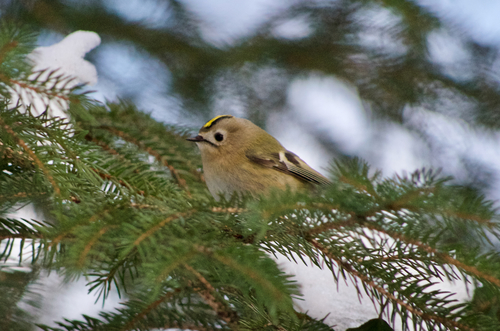 estrelinha-de-poupa
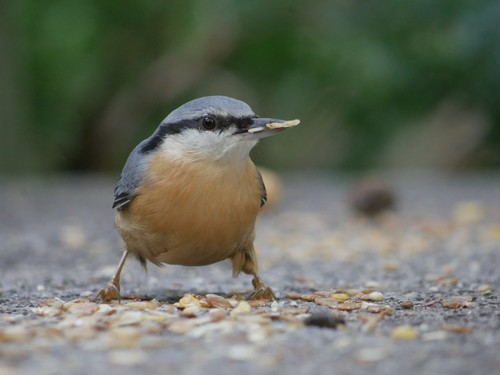 trepadeira-azul
Em resumo
A marca de campo mais confiável para separar a estrelinha-de-poupa da trepadeira-azul é o tamanho minúsculo da estrelinha-de-poupa e sua aparência simples, com um rosto redondo e uma faixa coronária brilhante amarela (ou amarelo-alaranjada nos machos), em comparação com a construção muito maior e robusta da trepadeira-azul, com um bico longo e pontudo e uma faixa ocular preta marcante. As estrelinhas-de-poupa são pássaros inquietos, de cor verde-oliva, com duas faixas brancas nas asas e sem um padrão facial forte, enquanto as trepadeiras-azuis são azul-acinzentadas por cima, brancas por baixo com flancos alaranjados, e sempre mostram uma faixa ocular preta forte através do olho. As estrelinhas-de-poupa juvenis não têm a coroa colorida, mas ainda têm um rosto simples, enquanto até mesmo as jovens trepadeiras-azuis mostram a faixa ocular. Em voo ou empoleiradas, a cauda curta da trepadeira-azul e a cabeça pontuda contrastam com a aparência mais arredondada e delicada da estrelinha-de-poupa. Se você ver um pequeno sprite de rosto simples em coníferas, é uma estrelinha-de-poupa; um pássaro maior, azul-acinzentado, descendo de cabeça por um tronco é uma trepadeira-azul.
Dicas de identificação
- O tamanho é a verificação mais rápida: A estrelinha-de-poupa é minúscula e delicada; a trepadeira-azul é muito maior e robusta. Se você ver um pássaro que parece menor que um corcunda, não é uma trepadeira-azul.
- Padrão facial: A estrelinha-de-poupa sempre tem um rosto simples, sem faixa ocular, apenas uma faixa coronária brilhante (amarela ou amarelo-alaranjada). A trepadeira-azul sempre tem uma faixa ocular preta forte através do olho, contrastando com bochechas e garganta brancas. Isso é verdade para todas as idades e sexos.
- Cor da coroa: As estrelinhas-de-poupa machos adultos têm uma coroa amarela com um centro alaranjado; as fêmeas têm coroas totalmente amarelas. Os juvenis não têm a coroa colorida, mas ainda têm um rosto simples. A trepadeira-azul nunca mostra uma faixa coronária colorida.
- Faixas nas asas: A estrelinha-de-poupa tem duas faixas brancas limpas nas asas oliveiras; a trepadeira-azul não tem faixas distintas nas asas, com partes superiores azul-acinzentadas em vez disso.
- Formato do bico: O bico da estrelinha-de-poupa é minúsculo, fino e preto; o da trepadeira-azul é longo, forte e pontudo, adequado para sondar a casca.
- Formato e comprimento da cauda: A estrelinha-de-poupa tem uma cauda curta e arredondada; a cauda da trepadeira-azul também é curta, mas parece mais quadrada e não é usada para suporte em árvores.
- Partes inferiores: A estrelinha-de-poupa é branca-amarelada por baixo, às vezes com um leve tom oliva. A trepadeira-azul é branca a amarelada por baixo com flancos alaranjados ricos e um contraste de cor claro entre garganta/bochechas e flancos.
- Partes superiores: A estrelinha-de-poupa é verde-oliva por cima; a trepadeira-azul é azul-acinzentada por cima.
- Comportamento: As estrelinhas-de-poupa são inquietas, frequentemente pairando e voando nas pontas dos galhos, especialmente em coníferas. As trepadeiras-azuis se movem com pulos deliberados, frequentemente de cabeça para baixo pelos troncos, e raramente pairam.
- Estilo de voo: O voo da estrelinha-de-poupa é leve, com frequentes pares; o da trepadeira-azul é rápido, direto, com as asas fechadas entre as batidas e uma cabeça pontuda.
- Preferência de habitat: As estrelinhas-de-poupa preferem coníferas densas e copas mais altas; as trepadeiras-azuis preferem árvores decíduas maduras e são frequentemente vistas em troncos e grandes galhos.
- Vocalizações: O canto da estrelinha-de-poupa é alto e fino, frequentemente negligenciado; a trepadeira-azul é barulhenta e vocal, com chamadas repetidas de 'dwip'.
- Confusão juvenil: Mesmo as trepadeiras-azuis juvenis mostram uma faixa ocular preta e partes superiores azul-acinzentadas, enquanto as estrelinhas-de-poupa juvenis têm rosto simples e oliva, sem a coroa colorida.
- Bandos mistos: As estrelinhas-de-poupa frequentemente se juntam a bandos mistos de chapins e outros pássaros pequenos; as trepadeiras-azuis são mais solitárias ou em pares.
- Postura de empoleiramento: As estrelinhas-de-poupa empoleiram-se eretas, frequentemente entre a folhagem; as trepadeiras-azuis são frequentemente vistas agarradas à casca, às vezes de cabeça para baixo ou descendo de cabeça por um tronco.
Tamanho
A estrelinha-de-poupa é de longe o menor pássaro europeu, pesando apenas 4,5–7,0 g e medindo 8,5–9,5 cm de comprimento. Em contraste, a trepadeira-azul é muito maior e mais pesada, com 14 cm de comprimento e cerca de 23 g de massa. A envergadura da trepadeira-azul (22,5–27 cm) é quase o dobro da da estrelinha-de-poupa (13,5–15,5 cm). No campo, essa diferença de tamanho é imediatamente óbvia quando ambas as espécies são vistas próximas uma da outra ou comparadas a ambientes familiares.
Plumagem
- Juvenil/primeiro inverno: As estrelinhas-de-poupa juvenis não têm a coroa colorida, mas são de outra forma semelhantes aos adultos, com partes superiores oliva mais opacas, duas faixas brancas nas asas e um rosto simples. As trepadeiras-azuis juvenis se assemelham às fêmeas adultas, com um dorso azul-acinzentado mais opaco, partes inferiores mais claras e sempre uma faixa ocular preta. Nenhuma idade de trepadeira-azul tem rosto simples como a estrelinha-de-poupa.
- Adultos: As estrelinhas-de-poupa adultas mostram uma faixa coronária amarela (com centro alaranjado nos machos, amarela nas fêmeas), contornada por preto, e um rosto oliva simples. Duas faixas brancas nas asas estão sempre presentes. As trepadeiras-azuis adultas têm partes superiores azul-acinzentadas, uma faixa ocular preta marcante, garganta e bochechas brancas, e flancos alaranjados. Suas partes inferiores são brancas a amareladas, dependendo da subespécie e do sexo. O bico da trepadeira-azul é longo e forte, enquanto o da estrelinha-de-poupa é minúsculo e fino.
- Em voo: O voo da estrelinha-de-poupa é zumbido e leve, com frequentes pares; o voo da trepadeira-azul é rápido, direto, com as asas fechadas entre as batidas e um perfil de cabeça pontuda. Nenhum padrão distintivo na parte superior da asa de ambas as espécies é descrito para separação de campo além das faixas brancas da estrelinha-de-poupa.
Comportamento
As estrelinhas-de-poupa são extremamente ativas, constantemente voando, pairando e se movendo através da folhagem, frequentemente altas em coníferas. Elas raramente param por muito tempo e podem ficar de cabeça para baixo ou pairar nas pontas dos galhos. As trepadeiras-azuis se movem com pulos curtos e deliberados ao longo de troncos e galhos, frequentemente de cabeça para baixo pela casca das árvores, e não usam suas caudas para suporte. As trepadeiras-azuis são menos inquietas que as estrelinhas-de-poupa e geralmente são vistas sozinhas ou em pares, frequentemente em níveis mais baixos nas árvores. As estrelinhas-de-poupa são muito mais propensas a serem vistas em bandos mistos ou altas na copa.
Habitat
As estrelinhas-de-poupa são mais frequentemente encontradas em florestas de coníferas ou mistas, especialmente em abetos ou fir, mas também podem ocorrer em jardins com árvores adequadas. As trepadeiras-azuis são encontradas em uma ampla gama de florestas, especialmente florestas decíduas maduras, parques e grandes jardins com árvores antigas. Embora ambas possam ocorrer em habitats sobrepostos, as estrelinhas-de-poupa preferem coníferas densas e copas mais altas, enquanto as trepadeiras-azuis preferem árvores de folhas largas e são mais frequentemente vistas em troncos e grandes galhos.
Voz
O canto da estrelinha-de-poupa é uma série de notas altas e finas, mais agudas do que a maioria dos outros pássaros pequenos, mas não particularmente alto. A trepadeira-azul é muito mais vocal, com uma chamada repetida e alta de 'dwip' e vários apitos e trilos. No campo, as chamadas da trepadeira-azul são muito mais propensas a chamar a atenção do que a sutil canção da estrelinha-de-poupa.
estrelinha-de-poupa · trepadeira-azul · Minhas aves difíceis