
Regolo vs Picchio muratore
Regulus regulus contro Sitta europaea
Fai un quiz con Regolo e Picchio muratore
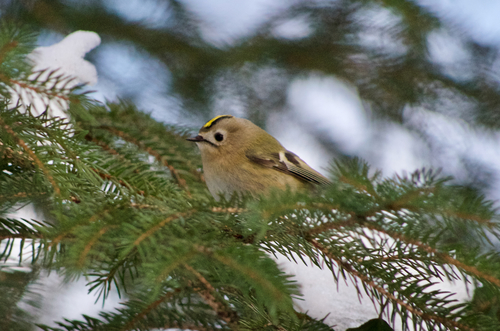 Regolo
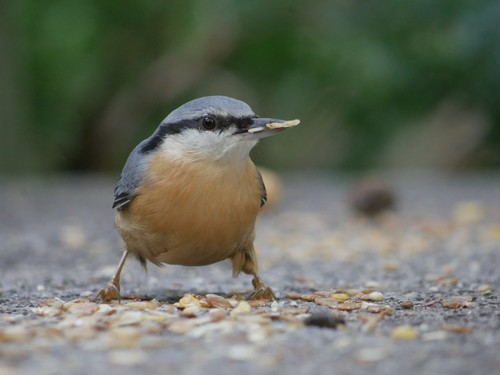 Picchio muratore
In breve
Il segno distintivo più affidabile per separare il Regolo dal Picchio muratore è la dimensione ridotta del Regolo e l'aspetto semplice e rotondo del viso con una striscia coronale gialla brillante (o giallo-arancio nei maschi), rispetto alla corporatura molto più grande e robusta del Picchio muratore, con un lungo becco appuntito e una forte striscia nera sugli occhi. I Regoli sono uccelli irrequieti, di colore verde oliva, con due barre alari bianche e senza un forte schema facciale, mentre i Picchi muratori sono blu-grigi sopra, bianchi sotto con fianchi arancioni, e mostrano sempre una forte striscia nera sugli occhi. I Regoli giovani mancano della corona colorata ma hanno comunque un viso semplice, mentre anche i giovani Picchi muratori mostrano la striscia sugli occhi. In volo o posati, la coda corta del Picchio muratore e la testa appuntita contrastano con l'aspetto più rotondo e delicato del Regolo. Se vedi uno sprite piccolo e dal viso semplice nei conifere, è un Regolo; un uccello blu-grigio più grande che si arrampica a testa in giù lungo un tronco è un Picchio muratore.
Consigli di identificazione
- Size is the fastest check: Il Regolo è piccolo e delicato; il Picchio muratore è molto più grande e robusto. Se vedi un uccello che sembra più piccolo di un scricciolo, non è un Picchio muratore.
- Face pattern: Il Regolo ha sempre un viso semplice senza striscia sugli occhi, solo una brillante striscia coronale (gialla o giallo-arancio). Il Picchio muratore ha sempre una forte striscia nera sugli occhi, in contrasto con le guance e la gola bianche. Questo è vero per tutte le età e i sessi.
- Crown color: I Regoli maschi adulti hanno una corona gialla con un centro arancione; le femmine hanno corone completamente gialle. I giovani mancano della corona colorata ma hanno comunque un viso semplice. Il Picchio muratore non mostra mai una striscia coronale colorata.
- Wingbars: Il Regolo ha due barre alari bianche ordinate sulle ali olive; il Picchio muratore non ha barre alari distinte, con parti superiori blu-grigie invece.
- Bill shape: Il becco del Regolo è piccolo, sottile e nero; quello del Picchio muratore è lungo, robusto e appuntito, adatto per sondare la corteccia.
- Tail shape and length: Il Regolo ha una coda corta e arrotondata; la coda del Picchio muratore è anch'essa corta ma appare più quadrata e non viene utilizzata per il supporto sugli alberi.
- Underparts: Il Regolo è bianco-castano sotto, a volte con una leggera sfumatura oliva. Il Picchio muratore è bianco a castano sotto con fianchi arancioni ricchi e un chiaro contrasto di colore tra gola/guance e fianchi.
- Upperparts: Il Regolo è verde oliva sopra; il Picchio muratore è blu-grigio sopra.
- Behavior: I Regoli sono irrequieti, spesso sospendono e si muovono rapidamente sulle punte dei rami, specialmente nei conifere. I Picchi muratori si muovono con salti deliberati, spesso a testa in giù lungo i tronchi, e raramente sospendono.
- Flight style: Il volo del Regolo è fluttuante, con frequenti sospensioni; quello del Picchio muratore è veloce, diretto, con le ali chiuse tra i battiti e una testa appuntita.
- Habitat preference: I Regoli preferiscono conifere dense e un alto canopeo; i Picchi muratori preferiscono alberi decidui maturi e sono spesso visti su tronchi e grandi rami.
- Vocalizations: Il canto del Regolo è alto e sottile, spesso trascurato; il Picchio muratore è forte e vocale, con ripetuti richiami 'dwip'.
- Juvenile confusion: Anche i giovani Picchi muratori mostrano una striscia nera sugli occhi e parti superiori blu-grigie, mentre i giovani Regoli hanno un viso semplice e oliva, mancando della corona colorata.
- Mixed flocks: I Regoli spesso si uniscono a stormi misti di cince e altri piccoli uccelli; i Picchi muratori sono più solitari o in coppie.
- Perching posture: I Regoli si posano eretti, spesso tra il fogliame; i Picchi muratori sono spesso visti aggrappati alla corteccia, a volte a testa in giù o in giù lungo un tronco.
Taglia
Il Regolo è di gran lunga il più piccolo uccello europeo, pesando solo 4.5–7.0 g e misurando 8.5–9.5 cm di lunghezza. Al contrario, il Picchio muratore è molto più grande e pesante, con una lunghezza di 14 cm e circa 23 g di massa. L'apertura alare del Picchio muratore (22.5–27 cm) è quasi il doppio di quella del Regolo (13.5–15.5 cm). Sul campo, questa differenza di dimensioni è immediatamente evidente quando entrambe le specie vengono viste vicine l'una all'altra o confrontate con ambienti familiari.
Piumaggio
- Juvenile/first-winter: I giovani Regoli mancano della corona colorata ma sono altrimenti simili agli adulti, con parti superiori di oliva più opache, due barre alari bianche e un viso semplice. I giovani Picchi muratori assomigliano alle femmine adulte, con un dorso blu-grigio più opaco, parti inferiori più chiare e sempre una striscia nera sugli occhi. Nessuna età di Picchio muratore ha un viso semplice come il Regolo.
- Adults: I Regoli adulti mostrano una striscia coronale gialla (con centro arancione nei maschi, gialla nelle femmine), bordata di nero, e un viso semplice di oliva. Due barre alari bianche sono sempre presenti. Gli adulti del Picchio muratore hanno parti superiori blu-grigie, una forte striscia nera sugli occhi, gola e guance bianche, e fianchi arancioni. Le loro parti inferiori sono bianche a castano, a seconda della sottospecie e del sesso. Il becco del Picchio muratore è lungo e robusto, mentre quello del Regolo è piccolo e fine.
- In flight: Il volo del Regolo è frusciante e fluttuante, con frequenti sospensioni; il volo del Picchio muratore è veloce, diretto, con le ali chiuse tra i battiti e un profilo della testa appuntita. Non è descritto alcun modello distintivo della parte superiore dell'ala in nessuna delle due specie per la separazione sul campo oltre alle barre alari bianche del Regolo.
Comportamento
I Regoli sono estremamente attivi, costantemente fluttuanti, sospendendo e strisciando attraverso il fogliame, spesso in alto nei conifere. Raramente si fermano a lungo e possono appendersi a testa in giù o sospendere alle punte dei rami. I Picchi muratori si muovono con salti brevi e deliberati lungo tronchi e rami, spesso a testa in giù lungo la corteccia degli alberi, e non usano le loro code per il supporto. I Picchi muratori sono meno irrequieti dei Regoli e sono di solito visti singolarmente o in coppie, spesso a livelli più bassi sugli alberi. I Regoli sono molto più propensi a essere visti in stormi misti o in alto nel canopeo.
Habitat
I Regoli si trovano più spesso in boschi di conifere o misti, specialmente abeti o pini, ma possono anche verificarsi in giardini con alberi adatti. I Picchi muratori si trovano in una vasta gamma di boschi, specialmente foreste decidue mature, parchi e grandi giardini con alberi vecchi. Anche se entrambe le specie possono verificarsi in habitat sovrapposti, i Regoli preferiscono conifere dense e un canopeo più alto, mentre i Picchi muratori preferiscono alberi a foglia larga e sono più spesso visti su tronchi e grandi rami.
Voce
Il canto del Regolo è una serie di note alte e sottili, di tonalità più alta rispetto alla maggior parte degli altri piccoli uccelli, ma non particolarmente forte. Il Picchio muratore è molto più vocale, con un richiamo ripetuto e forte 'dwip' e vari fischi e trilli. Sul campo, i richiami del Picchio muratore attirano molto più facilmente l'attenzione rispetto al canto sottile del Regolo.