
Reyezuelo Sencillo vs Trepador Azul
Regulus regulus frente a Sitta europaea
Juega un quiz con Reyezuelo Sencillo y Trepador Azul
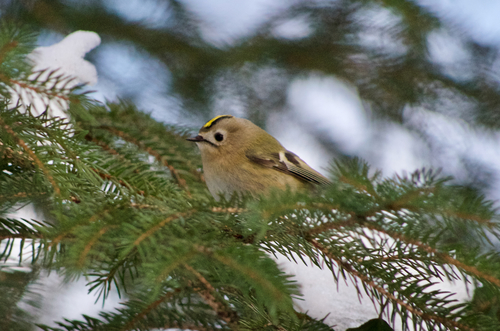 Reyezuelo Sencillo
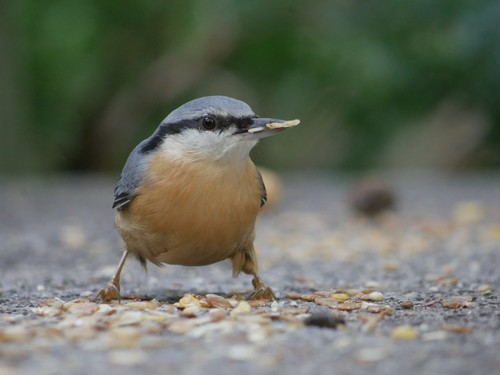 Trepador Azul
En breve
La marca de campo más confiable para separar el Reyezuelo Sencillo del Trepador Azul es el tamaño diminuto del Reyezuelo Sencillo y su apariencia simple y de cara redonda con una franja de corona brillante amarilla (o amarillo-naranja en los machos), en comparación con la construcción mucho más grande y robusta del Trepador Azul, su largo pico puntiagudo y su audaz franja ocular negra. Los Reyezuelo Sencillos son aves inquietas de color verde oliva con dos franjas alares blancas y sin un patrón facial fuerte, mientras que los Trepadores Azules son de color azul-gris en la parte superior, blancos en la parte inferior con flancos naranjas, y siempre muestran una fuerte franja ocular negra a través del ojo. Los Reyezuelo Sencillos juveniles carecen de la corona coloreada pero aún tienen una cara simple, mientras que incluso los Trepadores Azules jóvenes muestran la franja ocular. En vuelo o posados, la cola corta del Trepador Azul y su cabeza puntiaguda contrastan con la apariencia más redondeada y delicada del Reyezuelo Sencillo. Si ves un pequeño sprite de cara simple en coníferas, es un Reyezuelo Sencillo; un ave más grande, de color azul-gris, que se desplaza cabeza abajo por un tronco es un Trepador Azul.
Consejos de identificación
- El tamaño es la verificación más rápida: El Reyezuelo Sencillo es diminuto y delicado; el Trepador Azul es mucho más grande y robusto. Si ves un ave que parece más pequeña que un reyezuelo, no es un Trepador Azul.
- Patrón facial: El Reyezuelo Sencillo siempre tiene una cara simple sin franja ocular, solo una brillante franja de corona (amarilla o amarillo-naranja). El Trepador Azul siempre tiene una fuerte franja ocular negra a través del ojo, contrastando con mejillas y garganta blancas. Esto es cierto para todas las edades y sexos.
- Color de la corona: Los Reyezuelo Sencillos machos adultos tienen una corona amarilla con un centro naranja; las hembras tienen coronas completamente amarillas. Los juveniles carecen de la corona coloreada pero aún tienen una cara simple. El Trepador Azul nunca muestra una franja de corona coloreada.
- Franjas alares: El Reyezuelo Sencillo tiene dos franjas alares blancas ordenadas en alas de color oliva; el Trepador Azul carece de franjas alares distintas, con partes superiores azul-gris en su lugar.
- Forma del pico: El pico del Reyezuelo Sencillo es diminuto, delgado y negro; el del Trepador Azul es largo, fuerte y puntiagudo, adecuado para hurgar en la corteza.
- Forma y longitud de la cola: El Reyezuelo Sencillo tiene una cola corta y redondeada; la cola del Trepador Azul también es corta pero parece más cuadrada y no se utiliza para apoyo en los árboles.
- Partes inferiores: El Reyezuelo Sencillo es blanco amarillento por debajo, a veces con un ligero lavado de oliva. El Trepador Azul es blanco a color amarillento por debajo con flancos naranjas ricos y un claro contraste de color entre la garganta/mejillas y los flancos.
- Partes superiores: El Reyezuelo Sencillo es verde oliva en la parte superior; el Trepador Azul es azul-gris en la parte superior.
- Comportamiento: Los Reyezuelo Sencillos son inquietos, a menudo flotando y revoloteando en las puntas de las ramas, especialmente en coníferas. Los Trepadores Azules se mueven con saltos deliberados, a menudo cabeza abajo por troncos, y rara vez flotan.
- Estilo de vuelo: El vuelo del Reyezuelo Sencillo es aleteante, con frecuentes flotaciones; el del Trepador Azul es rápido, directo, con las alas cerradas entre los aletazos y una cabeza puntiaguda.
- Preferencia de hábitat: Los Reyezuelo Sencillos prefieren coníferas densas y un dosel más alto; los Trepadores Azules prefieren árboles de hoja caduca maduros y a menudo se ven en troncos y ramas grandes.
- Vocalizaciones: La canción del Reyezuelo Sencillo es alta y delgada, a menudo pasada por alto; el Trepador Azul es ruidoso y vocal, con llamados repetidos de 'dwip'.
- Confusión juvenil: Incluso los Trepadores Azules juveniles muestran una franja ocular negra y partes superiores azul-gris, mientras que los Reyezuelo Sencillos juveniles son de cara simple y oliva, careciendo de la corona coloreada.
- Bandadas mixtas: Los Reyezuelo Sencillos a menudo se unen a bandadas mixtas de carboneros y otras aves pequeñas; los Trepadores Azules son más solitarios o en parejas.
- Postura al posarse: Los Reyezuelo Sencillos se posan erguido, a menudo entre el follaje; los Trepadores Azules a menudo se ven aferrándose a la corteza, a veces cabeza abajo o cabeza abajo por un tronco.
Tamaño
El Reyezuelo Sencillo es, con mucho, el ave más pequeña de Europa, pesando solo 4.5–7.0 g y midiendo 8.5–9.5 cm de longitud. En contraste, el Trepador Azul es mucho más grande y pesado, con 14 cm de largo y aproximadamente 23 g de masa. La envergadura del Trepador Azul (22.5–27 cm) es casi el doble que la del Reyezuelo Sencillo (13.5–15.5 cm). En el campo, esta diferencia de tamaño es inmediatamente obvia cuando ambas especies se ven cerca una de la otra o se comparan con entornos familiares.
Plumaje
- Juvenil/primer invierno: Los Reyezuelo Sencillos juveniles carecen de la corona coloreada pero son de otro modo similares a los adultos, con partes superiores de oliva más apagadas, dos franjas alares blancas y una cara simple. Los Trepadores Azules juveniles se asemejan a las hembras adultas, con un dorso azul-gris más apagado, partes inferiores más pálidas y siempre una franja ocular negra. Ninguna edad de Trepador Azul tiene cara simple como el Reyezuelo Sencillo.
- Adultos: Los Reyezuelo Sencillos adultos muestran una franja de corona amarilla (con centro naranja en los machos, amarilla en las hembras), bordeada de negro, y una cara de oliva simple. Dos franjas alares blancas siempre están presentes. Los adultos de Trepador Azul tienen partes superiores azul-gris, una audaz franja ocular negra, garganta y mejillas blancas, y flancos naranjas. Sus partes inferiores son blancas a color amarillento, dependiendo de la subespecie y el sexo. El pico del Trepador Azul es largo y fuerte, mientras que el del Reyezuelo Sencillo es diminuto y fino.
- En vuelo: El vuelo del Reyezuelo Sencillo es zumbante y aleteante, con frecuentes flotaciones; el vuelo del Trepador Azul es rápido, directo, con las alas cerradas entre los aletazos y un perfil de cabeza puntiaguda. No se describe un patrón distintivo en la parte superior del ala en ninguna de las especies para la separación de campo más allá de las franjas alares blancas del Reyezuelo Sencillo.
Comportamiento
Los Reyezuelo Sencillos son extremadamente activos, constantemente revoloteando, flotando y arrastrándose a través del follaje, a menudo en lo alto de las coníferas. Rara vez se detienen por mucho tiempo y pueden colgar cabeza abajo o flotar en las puntas de las ramas. Los Trepadores Azules se mueven con saltos cortos y deliberados a lo largo de troncos y ramas, a menudo cabeza abajo por la corteza de los árboles, y no utilizan sus colas para apoyo. Los Trepadores Azules son menos inquietos que los Reyezuelo Sencillos y generalmente se ven solos o en parejas, a menudo en niveles más bajos de los árboles. Los Reyezuelo Sencillos son mucho más propensos a ser vistos en bandadas mixtas o en lo alto del dosel.
Hábitat
Los Reyezuelo Sencillos se encuentran más a menudo en bosques de coníferas o mixtos, especialmente en abetos o píceas, pero también pueden ocurrir en jardines con árboles adecuados. Los Trepadores Azules se encuentran en una amplia gama de bosques, especialmente en bosques de hoja caduca maduros, parques y grandes jardines con árboles viejos. Si bien ambos pueden ocurrir en hábitats superpuestos, los Reyezuelo Sencillos prefieren coníferas densas y un dosel más alto, mientras que los Trepadores Azules prefieren árboles de hoja ancha y se ven más a menudo en troncos y ramas grandes.
Voz
La canción del Reyezuelo Sencillo es una serie de notas altas y delgadas, de tono más alto que la mayoría de las otras aves pequeñas, pero no particularmente ruidosa. El Trepador Azul es mucho más vocal, con un llamado repetido y fuerte de 'dwip' y varios silbidos y trinos. En el campo, los llamados del Trepador Azul son mucho más propensos a llamar la atención que la sutil canción del Reyezuelo Sencillo.