

marreca-caneleira vs gaivota-de-patas-amarelas
Dendrocygna bicolor versus Larus michahellis
Jogue um quiz com marreca-caneleira e gaivota-de-patas-amarelas
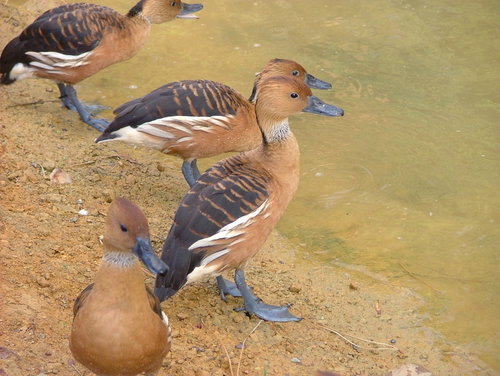 marreca-caneleira
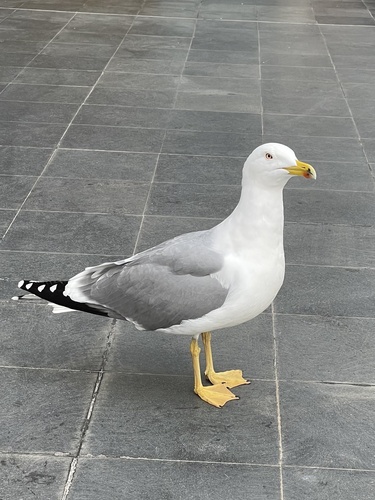 gaivota-de-patas-amarelas
Em resumo
A separação mais confiável em campo é a estrutura geral e o padrão de voo: marreca-caneleira é um pato de pernas longas, pescoço longo, marrom-avermelhado, com um crescente branco na região do rabo e cauda preta em voo, enquanto gaivota-de-patas-amarelas é uma gaivota grande, de asas largas, com pernas amarelas, partes superiores cinzas e pontas de asas pretas e brancas. As plumagens juvenis e imaturas são muito diferentes: jovens marrecas-caneleira são de um marrom mais apagado com partes inferiores claras, enquanto gaivotas-de-patas-amarelas de primeiro ano são fortemente padronizadas em cinza-marrons com uma faixa escura na cauda e penas de voo escuras. A forma do bico e a cor das pernas também são fundamentais: o pato tem um bico longo, cinza e achatado e pernas cinzas; a gaivota tem um bico grosso e curvado e pernas amarelas (adulto) ou rosadas (imaturas). O habitat e o comportamento os separam ainda mais: marreca-caneleira é um especialista em áreas úmidas, frequentemente vista em vegetação densa ou voando em bandos soltos, enquanto gaivota-de-patas-amarelas é um generalista costeiro e urbano, frequentemente planando ou descansando em áreas abertas.
Dicas de identificação
- Padrão de asa e cauda juvenil/imatura: A gaivota-de-patas-amarelas de primeiro ano mostra uma faixa escura na cauda, penas de voo escuras e partes superiores marrons manchadas; juvenis de marreca-caneleira são muito mais simples, com asas marrons uniformes e um crescente branco na região do rabo em voo. Esta é a marca mais confiável para imaturos.
- Crescente branco na região do rabo (todas as idades, pato): Em voo, marreca-caneleira sempre mostra um crescente branco na região do rabo e uma cauda preta, nunca igualada pela gaivota.
- Padrão de asa (adulto): A gaivota-de-patas-amarelas adulta tem pontas de asas pretas com pequenas manchas brancas e partes superiores cinzas; marreca-caneleira tem partes superiores marrons sem branco na asa.
- Cor das pernas: A gaivota-de-patas-amarelas adulta tem pernas amarelas (imaturas rosadas); marreca-caneleira tem pernas cinzas em todas as idades.
- Forma e cor do bico: O pato tem um bico longo, achatado e cinza; a gaivota tem um bico grosso e curvado (amarelo com mancha vermelha no adulto, escuro nas imaturas).
- Cabeça e pescoço: Marreca-caneleira tem uma cabeça e pescoço de cor rica e amarelada com uma faixa escura na parte de trás do pescoço; gaivota-de-patas-amarelas tem uma cabeça branca ou clara (adulto) ou marrons manchadas (imatura), nunca com uma faixa no pescoço.
- Cor da coroa (juvenil): Juvenil de marreca-caneleira nunca tem uma coroa escura; imaturas de gaivota-de-patas-amarelas podem parecer ter uma coroa mais escura, mas são sempre muito mais padronizadas no geral.
- Forma e postura do corpo: O pato é de pescoço longo, pernas longas e frequentemente fica em pé; a gaivota é mais robusta, de pescoço mais curto e fica mais horizontalmente.
- Estilo de voo: Marreca-caneleira voa com batidas de asas suaves e rasas e pernas longas para trás; gaivota-de-patas-amarelas planam e deslizam frequentemente, com asas mais largas e pernas mais curtas.
- Habitat: O pato está quase sempre em ou perto de vegetação densa de áreas úmidas; a gaivota é encontrada em áreas abertas, costas, cidades e até em lixões internos.
- Voz: O pato emite um chamado claro e assobiado; a gaivota emite gritos altos e ásperos.
- Cor da plumagem: O pato é em geral marrom-avermelhado com tons amarelados; a gaivota é cinza e branca como adulto, marrom e branca como imatura.
- Diferenças de sexo e idade: A fêmea de marreca-caneleira é ligeiramente menor e mais apagada que o macho, mas isso é sutil; as gaivotas mostram mudanças de plumagem relacionadas à idade mais óbvias.
- Contexto: Se vista em um bando de patos mergulhadores, é provável que seja o pato; se entre outras gaivotas ou se alimentando, é a gaivota.
- Armadilhas: Visões distantes ou contra a luz podem fazer o pato parecer mais escuro, mas o crescente branco na região do rabo e o pescoço/patas longas ainda são boas pistas. Gaivotas imaturas podem ser confundidas com outras gaivotas grandes, mas nunca mostram a estrutura ou o estilo de voo do pato.
Tamanho
Marreca-caneleira é um pato de tamanho médio, com uma massa corporal média de cerca de 682 g [wikidata]. Gaivota-de-patas-amarelas é geralmente maior e mais pesada, com adultos variando de 550 a 1.600 g [wikipedia], e notavelmente mais longa em comprimento total (52–68 cm vs. 45–53 cm para o pato). Em campo, a gaivota parece mais robusta, com uma envergadura maior (120–155 cm vs. 85–93 cm para o pato), asas mais largas e uma construção mais robusta. No entanto, algumas fêmeas de gaivota podem se aproximar do tamanho do pato, então a estrutura e as proporções são mais confiáveis do que o tamanho sozinho.
Plumagem
As plumagens juvenis e imaturas são as mais diagnósticas:
-
Juvenil de marreca-caneleira é uma versão mais apagada e clara do adulto, com partes inferiores amareladas e uma aparência geral marrom uniforme. Em voo, todas as idades mostram um distinto crescente branco na região do rabo contrastando com uma cauda preta, e partes superiores marrons sem branco na asa. A coroa nunca é escura, e o pescoço tem uma faixa escura na parte de trás [wikipedia].
-
A gaivota-de-patas-amarelas de primeiro ano é muito mais padronizada: cinza-marron geral com uma cabeça e partes inferiores mais claras, penas de voo escuras e uma faixa preta bem definida na cauda. As partes superiores são manchadas, e a região do rabo é clara. No segundo inverno, a gaivota se torna mais clara embaixo, mas ainda mostra coberturas de asas padronizadas e uma ponta de bico preta. Os adultos são cinzas em cima, brancos embaixo, com pontas de asas pretas e pernas amarelas, e uma mancha vermelha no bico. Em voo, os adultos mostram primárias pretas com pequenas manchas brancas, partes superiores cinzas e uma cauda branca.
-
Adulto de marreca-caneleira é de um rico marrom-avermelhado com uma cabeça e pescoço amarelados, penas de voo marrons escuras e um crescente branco na região do rabo. O bico e as pernas são cinzas. Não há padrão de ponta de asa preto e branco como na gaivota.
Comportamento
Marreca-caneleira é tipicamente vista em ou perto de vegetação densa de áreas úmidas, frequentemente em pares ou bandos soltos, e se alimenta mergulhando ou pastando em material vegetal. Em voo, mostra um contorno de pescoço reto e pernas longas, frequentemente com batidas de asas lentas e rasas. Gaivota-de-patas-amarelas é muito mais versátil: frequentemente vista planando, deslizando ou descansando em áreas abertas, incluindo costas, portos, cidades e lixões. Gaivotas são oportunistas, frequentemente se alimentando ou predando, e podem ser vistas em grandes grupos barulhentos. O pato raramente se afasta da água ou de coberturas densas, enquanto a gaivota se sente confortável em uma ampla gama de habitats abertos.
Habitat
Marreca-caneleira é um especialista em áreas úmidas, encontrada em regiões tropicais e subtropicais, favorecendo lagos rasos, pântanos, campos de arroz e áreas com vegetação aquática densa [wikipedia]. Raramente é encontrada longe da água ou em áreas urbanas. Gaivota-de-patas-amarelas, em contraste, é um generalista da Europa, Oriente Médio e Norte da África, encontrada ao longo de costas, lagos interiores, rios, cidades e até nidificando em edifícios ou árvores. Se você vê um pássaro em uma cidade, em um lixão ou planando sobre terras abertas, é quase certamente a gaivota; um pássaro profundo em um pântano ou campo de arroz é provavelmente o pato.
Voz
Marreca-caneleira emite um chamado claro e assobiado 'kee-wee-ooo', ouvido tanto em voo quanto no chão, e é geralmente barulhenta, especialmente à noite. Pássaros brigando emitem um 'kee' áspero e repetido. Os chamados são distintos e bastante diferentes de qualquer gaivota. Gaivota-de-patas-amarelas emite gritos e gritos típicos de gaivota, altos e ásperos, não assobiados. Se você ouvir um assobio claro e musical, é o pato; se ouvir chamados ruidosos, rindo ou gritando, é a gaivota.
marreca-caneleira · gaivota-de-patas-amarelas · Minhas aves difíceis