

Suirirí Bicolor vs Gaviota Patiamarilla
Dendrocygna bicolor frente a Larus michahellis
Juega un quiz con Suirirí Bicolor y Gaviota Patiamarilla
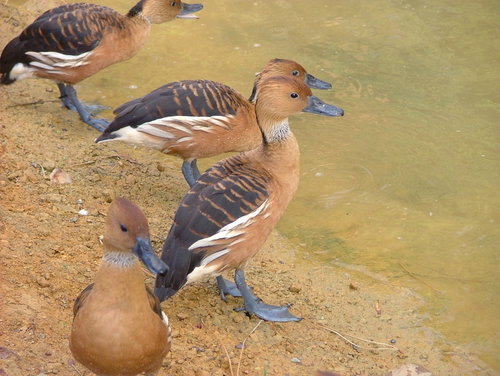 Suirirí Bicolor
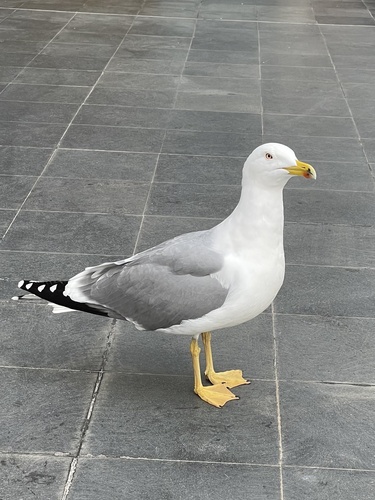 Gaviota Patiamarilla
En breve
La separación más confiable en el campo es la estructura general y el patrón de vuelo: Suirirí Bicolor es un pato de patas largas, cuello largo, de color marrón rojizo con un crespón blanco en la rabadilla y cola negra en vuelo, mientras que Gaviota Patiamarilla es una gaviota grande y de alas anchas con patas amarillas, partes superiores grises y puntas de alas en blanco y negro. Los plumajes juveniles e inmaduros son muy diferentes: los jóvenes Suirirí Bicolor son de un marrón más apagado con partes inferiores pálidas, mientras que las Gaviotas Patiamarilla de primer año son de un patrón marrón grisáceo muy marcado con una banda oscura en la cola y plumas de vuelo oscuras. La forma del pico y el color de las patas también son clave: el pato tiene un pico largo, plano y gris, y patas grises; la gaviota tiene un pico grueso y curvado y patas amarillas (adulto) o rosadas (inmaduro). El hábitat y el comportamiento los separan aún más: Suirirí Bicolor es un especialista en humedales, a menudo visto en vegetación densa o volando en bandadas sueltas, mientras que Gaviota Patiamarilla es un generalista costero y urbano, a menudo planeando o descansando en áreas abiertas.
Consejos de identificación
- Patrón de alas y cola juvenil/inmaduro: La Gaviota Patiamarilla de primer año muestra una banda oscura en la cola, plumas de vuelo oscuras y alas superiores moteadas marrón; los juveniles de Suirirí Bicolor son mucho más simples, con alas marrones uniformes y un crespón blanco en la rabadilla en vuelo. Esta es la marca más confiable para los inmaduros.
- Crespón blanco en la rabadilla (todas las edades, pato): En vuelo, Suirirí Bicolor siempre muestra un crespón blanco en la rabadilla y una cola negra, nunca igualado por la gaviota.
- Patrón de alas (adulto): La Gaviota Patiamarilla adulta tiene puntas de alas negras con pequeñas manchas blancas y alas superiores grises; Suirirí Bicolor tiene alas superiores marrones sin blanco en el ala.
- Color de patas: La Gaviota Patiamarilla adulta tiene patas amarillas (inmaduros rosadas); Suirirí Bicolor tiene patas grises a todas las edades.
- Forma y color del pico: El pato tiene un pico largo, plano y gris; la gaviota tiene un pico grueso y curvado (amarillo con una mancha roja en el adulto, oscuro en los inmaduros).
- Cabeza y cuello: Suirirí Bicolor tiene una cabeza y cuello de color marrón claro con una franja oscura en la parte posterior del cuello; Gaviota Patiamarilla tiene una cabeza blanca o pálida (adulto) o marrón moteada (inmaduro), nunca con una franja en el cuello.
- Color de la corona (juvenil): El juvenil de Suirirí Bicolor nunca tiene una corona negruzca; los inmaduros de Gaviota Patiamarilla pueden parecer más oscuros en la cabeza, pero siempre son mucho más marcados en general.
- Forma y postura del cuerpo: El pato tiene un cuello largo, patas largas y a menudo se mantiene erguido; la gaviota es más robusta, con un cuello más corto y se mantiene más horizontalmente.
- Estilo de vuelo: Suirirí Bicolor vuela con aleteos suaves y constantes y patas largas que cuelgan; Gaviota Patiamarilla planea y se desliza con frecuencia, con alas más amplias y patas más cortas.
- Hábitat: El pato se encuentra casi siempre en o cerca de vegetación densa de humedales; la gaviota se encuentra en áreas abiertas, costas, ciudades e incluso en vertederos interiores.
- Voz: El pato emite un claro llamado silbante; la gaviota emite gritos fuertes y ásperos.
- Color del plumaje: El pato es en general marrón rojizo con tonos claros; la gaviota es gris y blanca como adulto, marrón y blanca como inmadura.
- Diferencias de sexo y edad: La hembra de Suirirí Bicolor es ligeramente más pequeña y más apagada que el macho, pero esto es sutil; las gaviotas muestran cambios de plumaje relacionados con la edad más obvios.
- Contexto: Si se ve en una bandada de patos de superficie, es probable que sea el pato; si está entre otras gaviotas o buscando comida, es la gaviota.
- Trampas: Vistas distantes o contraluz pueden hacer que el pato parezca más oscuro, pero el crespón blanco en la rabadilla y el largo cuello/patas siguen siendo buenas pistas. Las gaviotas inmaduras pueden confundirse con otras gaviotas grandes, pero nunca muestran la estructura o el estilo de vuelo del pato.
Tamaño
Suirirí Bicolor es un pato de tamaño mediano, con una masa corporal promedio de aproximadamente 682 g [wikidata]. Gaviota Patiamarilla es generalmente más grande y pesada, con adultos que varían de 550 a 1,600 g [wikipedia], y notablemente más larga en longitud total (52–68 cm frente a 45–53 cm para el pato). En el campo, la gaviota parece más robusta, con una envergadura más larga (120–155 cm frente a 85–93 cm para el pato), alas más amplias y una construcción más robusta. Sin embargo, algunas gaviotas hembras pueden acercarse al tamaño del pato, por lo que la estructura y las proporciones son más confiables que el tamaño solo.
Plumaje
Los plumajes juveniles e inmaduros son los más diagnósticos:
-
El juvenil de Suirirí Bicolor es una versión más apagada y pálida del adulto, con partes inferiores claras y una apariencia marrón generalmente uniforme. En vuelo, todas las edades muestran un distintivo crespón blanco en la rabadilla que contrasta con una cola negra, y alas superiores marrones sin blanco en el ala. La corona nunca es negruzca, y el cuello tiene una franja oscura en la parte posterior [wikipedia].
-
La Gaviota Patiamarilla de primer año es mucho más marcada: marrón grisáceo en general con una cabeza y partes inferiores más pálidas, plumas de vuelo oscuras y una banda negra bien definida en la cola. Las alas superiores son moteadas, y la rabadilla es pálida. En el segundo invierno, la gaviota se vuelve más pálida por debajo, pero aún muestra cobertoras de alas con patrón y una punta de pico negra. Los adultos son grises por encima, blancos por debajo, con puntas de alas negras y patas amarillas, y una mancha roja en el pico. En vuelo, los adultos muestran primarias negras con pequeñas manchas blancas, alas superiores grises y una cola blanca.
-
El adulto de Suirirí Bicolor es de un rico marrón rojizo con una cabeza y cuello claros, plumas de vuelo marrones oscuras y un crespón blanco en la rabadilla. El pico y las patas son grises. No hay patrón de puntas de alas en blanco y negro como en la gaviota.
Comportamiento
Suirirí Bicolor se ve típicamente en o cerca de vegetación densa de humedales, a menudo en parejas o bandadas sueltas, y se alimenta buceando o pastando material vegetal. En vuelo, muestra un perfil de cuello recto y patas largas, a menudo con aleteos lentos y superficiales. Gaviota Patiamarilla es mucho más versátil: a menudo se la ve planeando, deslizándose o descansando en áreas abiertas, incluidas costas, puertos, ciudades y vertederos. Las gaviotas son oportunistas, a menudo buscando comida o depredando, y pueden verse en grandes grupos ruidosos. El pato rara vez se aventura lejos del agua o de la cobertura densa, mientras que la gaviota se siente cómoda en una amplia gama de hábitats abiertos.
Hábitat
Suirirí Bicolor es un especialista en humedales, encontrado en regiones tropicales y subtropicales, favoreciendo lagos poco profundos, pantanos, campos de arroz y áreas con vegetación acuática densa [wikipedia]. Rara vez se encuentra lejos del agua o en áreas urbanas. Gaviota Patiamarilla, en contraste, es un generalista de Europa, el Medio Oriente y el Norte de África, encontrado a lo largo de costas, lagos interiores, ríos, ciudades e incluso anidando en edificios o árboles. Si ves un ave en una ciudad, en un vertedero o planeando sobre tierras abiertas, es casi seguro que es la gaviota; un ave en lo profundo de un pantano o campo de arroz es probablemente el pato.
Voz
Suirirí Bicolor emite un claro llamado silbante 'kee-wee-ooo', escuchado tanto en vuelo como en el suelo, y es generalmente ruidoso, especialmente por la noche. Las aves en disputa emiten un 'kee' áspero y repetido. Los llamados son distintivos y bastante diferentes a cualquier gaviota. Gaviota Patiamarilla emite típicos gritos y aullidos fuertes y ásperos, no silbidos. Si escuchas un silbido claro y musical, es el pato; si escuchas llamados ruidosos, risas o gritos, es la gaviota.